Stags Leap District · Napa4.9 · 699
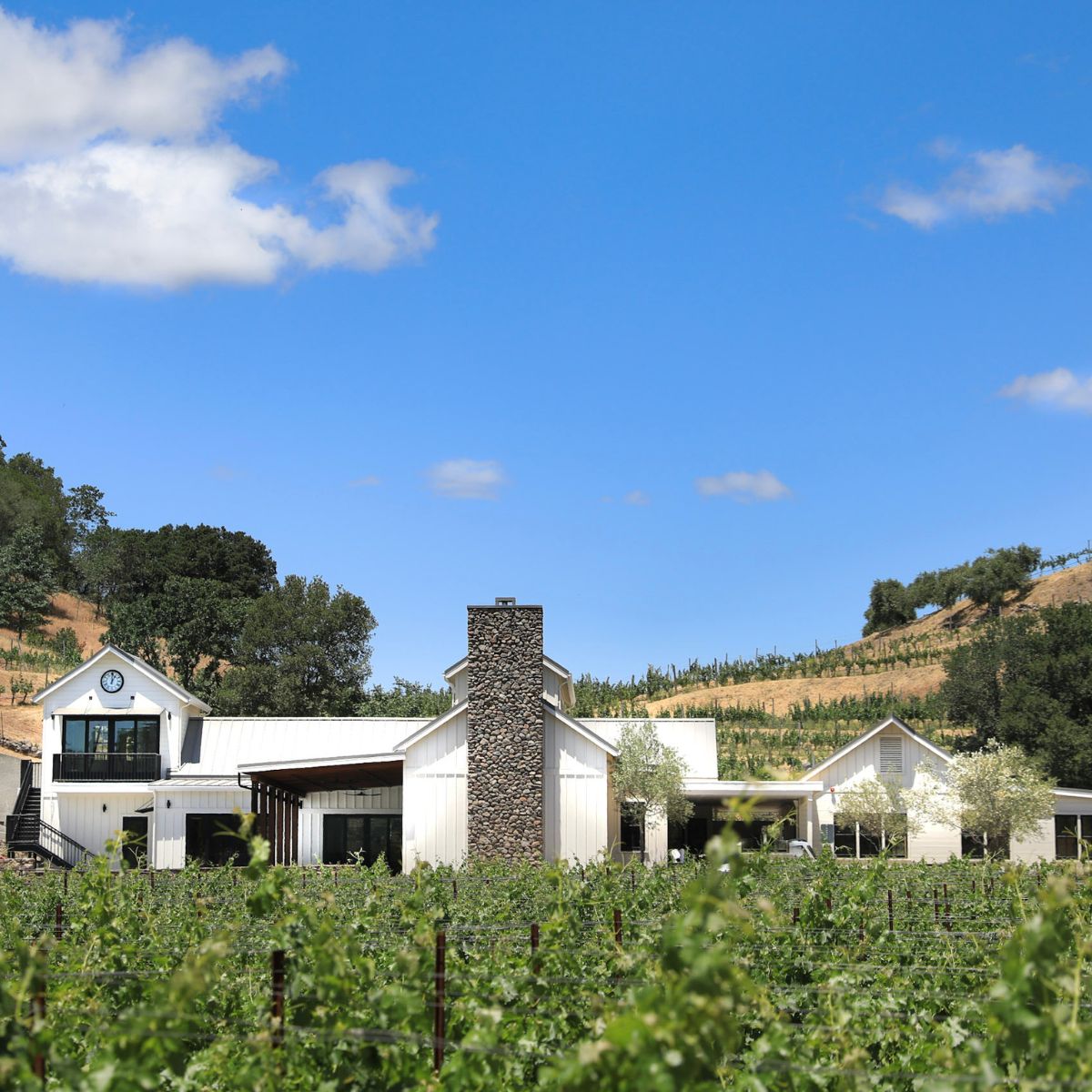
Baldacci Family Vineyards
Michael Baldacci pours his family's Black Label Cabernet Sauvignon in a private tasting room.
Reservation
$$$From $85
From the iconic Cabernet Sauvignons of Oakville and Rutherford to the sparkling wines of Carneros, explore every corner of America's most celebrated wine region.
Napa Valley has been the heart of American winemaking since the landmark 1976 Judgment of Paris, when Napa wines outperformed their French counterparts in a blind tasting. Today, the valley stretches 30 miles from the cool, fog-kissed Carneros in the south to the sun-drenched slopes of Calistoga in the north, producing world-class wines across a remarkable diversity of microclimates and terroirs.
What makes Napa special is its concentration of excellence. The valley floor's deep alluvial soils, the volcanic hillsides of Howell Mountain and Atlas Peak, and the benchland terraces of Oakville and Rutherford each contribute distinct character to the wines. Cabernet Sauvignon is king here, but you'll also find exceptional Chardonnay, Merlot, and Sauvignon Blanc.
Whether you're seeking a grand estate experience at a storied First Growth or an intimate tasting at a family-run boutique winery, Napa Valley delivers. Many wineries require reservations, especially during harvest season (August through October), so planning ahead is essential for the best experience.
The highest-rated wineries across all Napa Valley sub-regions.
Michael Baldacci pours his family's Black Label Cabernet Sauvignon in a private tasting room.
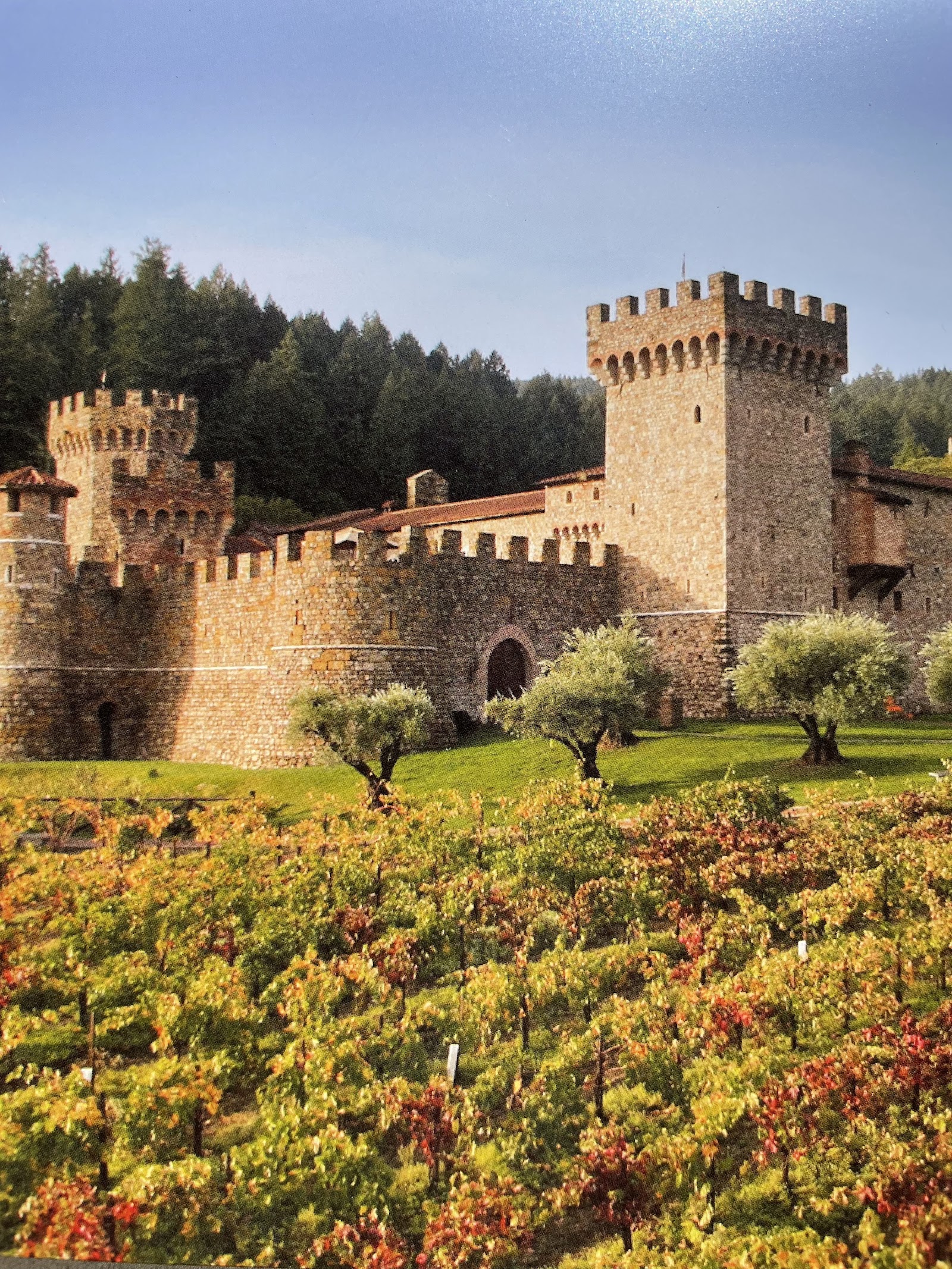
A 14th-century Tuscan castle replica in Calistoga pours Italian-style wines.
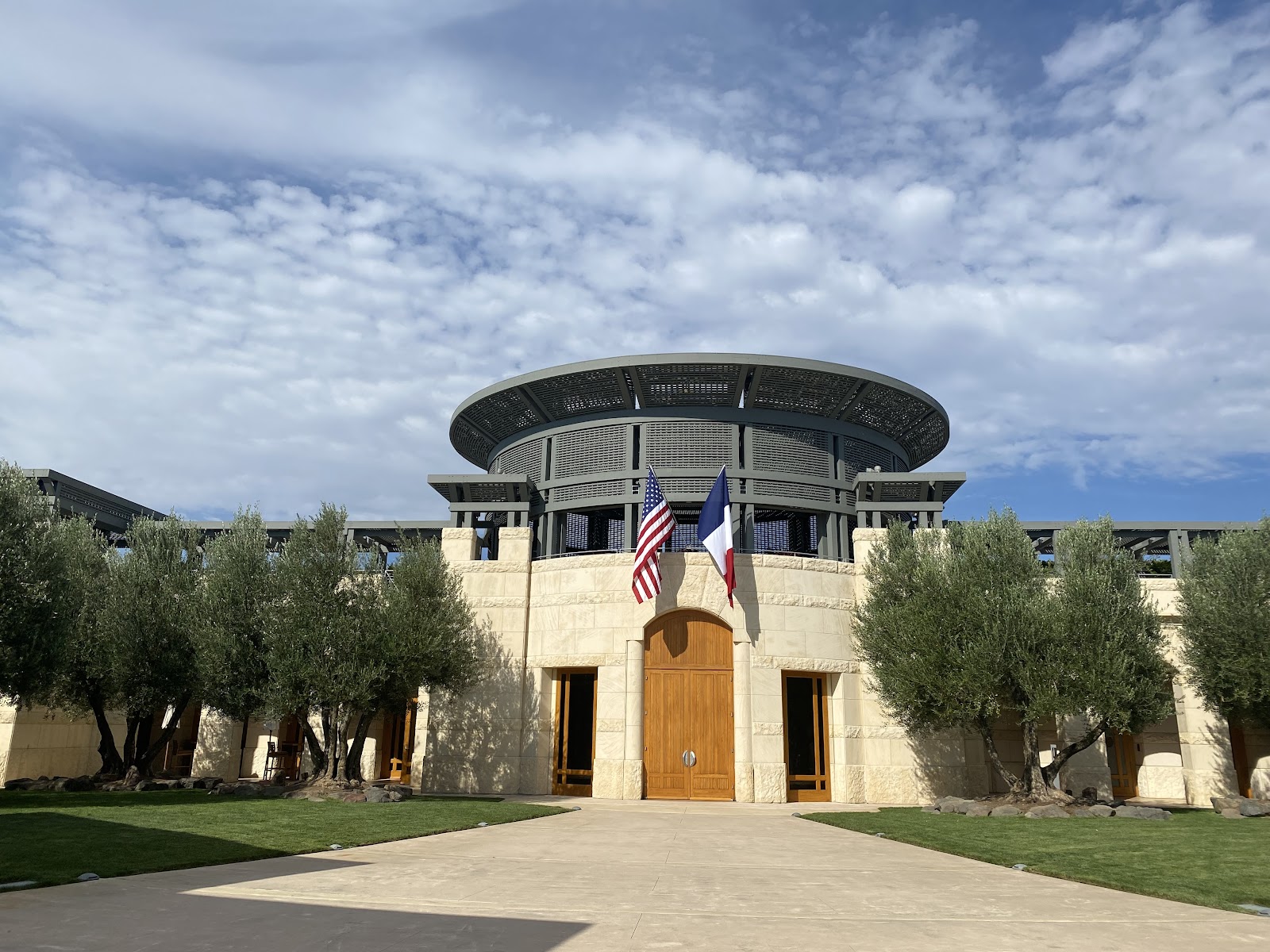
The 1979 partnership of Robert Mondavi and Baron Philippe de Rothschild set out to make one wine.
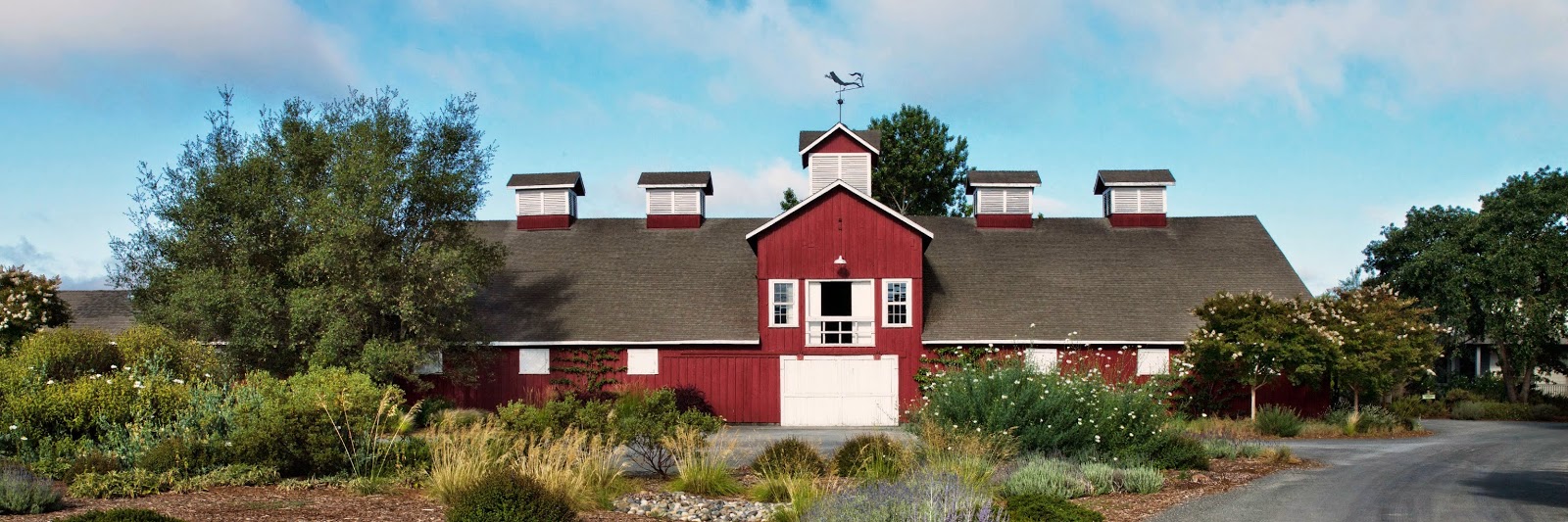
A certified organic estate in Rutherford where kids run through the vineyard rows during the Family Friendly Garden Tasting.
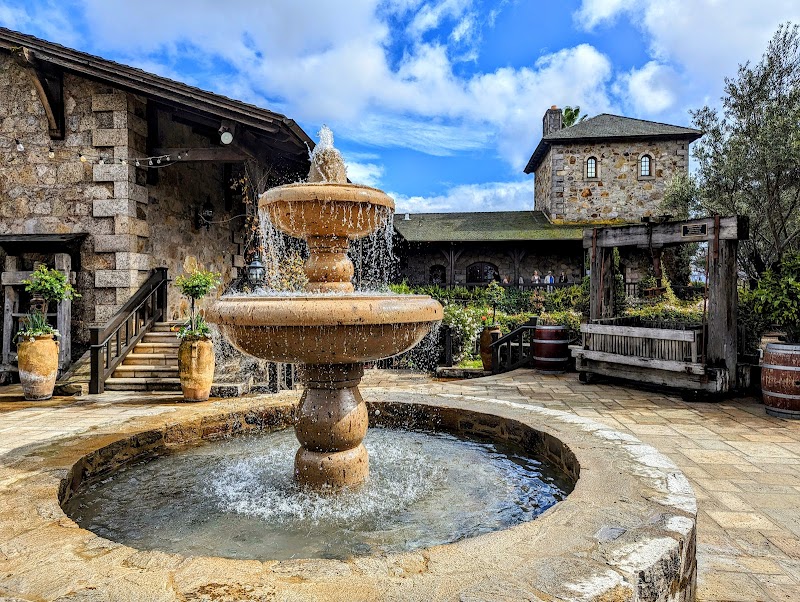
Dario Sattui re-opened his great-grandfather Vittorio's 1885 winery in 1976 with picnic grounds.
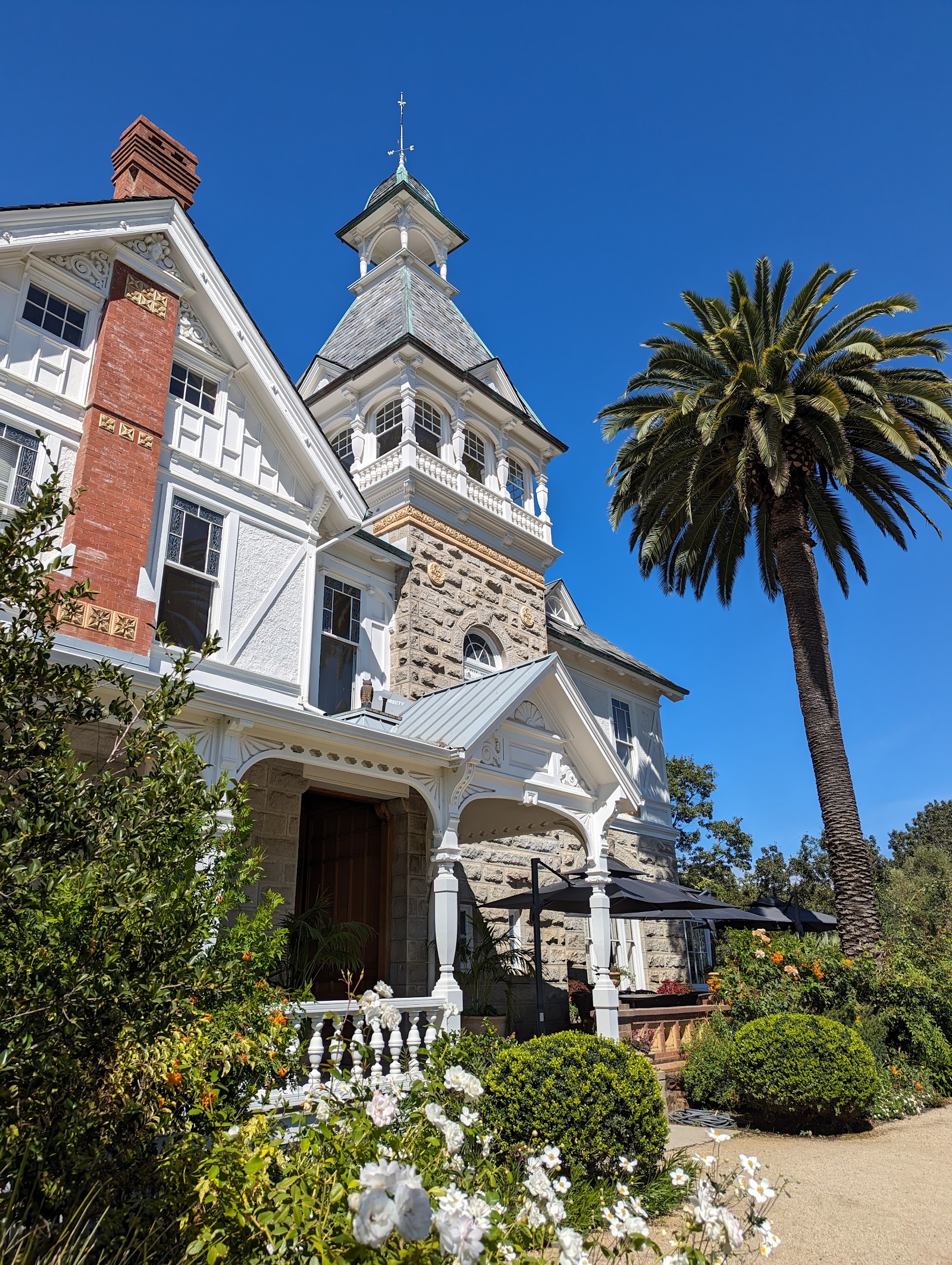
Three estates from the 1870s and 1880s planted Spring Mountain's first Cabernet Sauvignon.
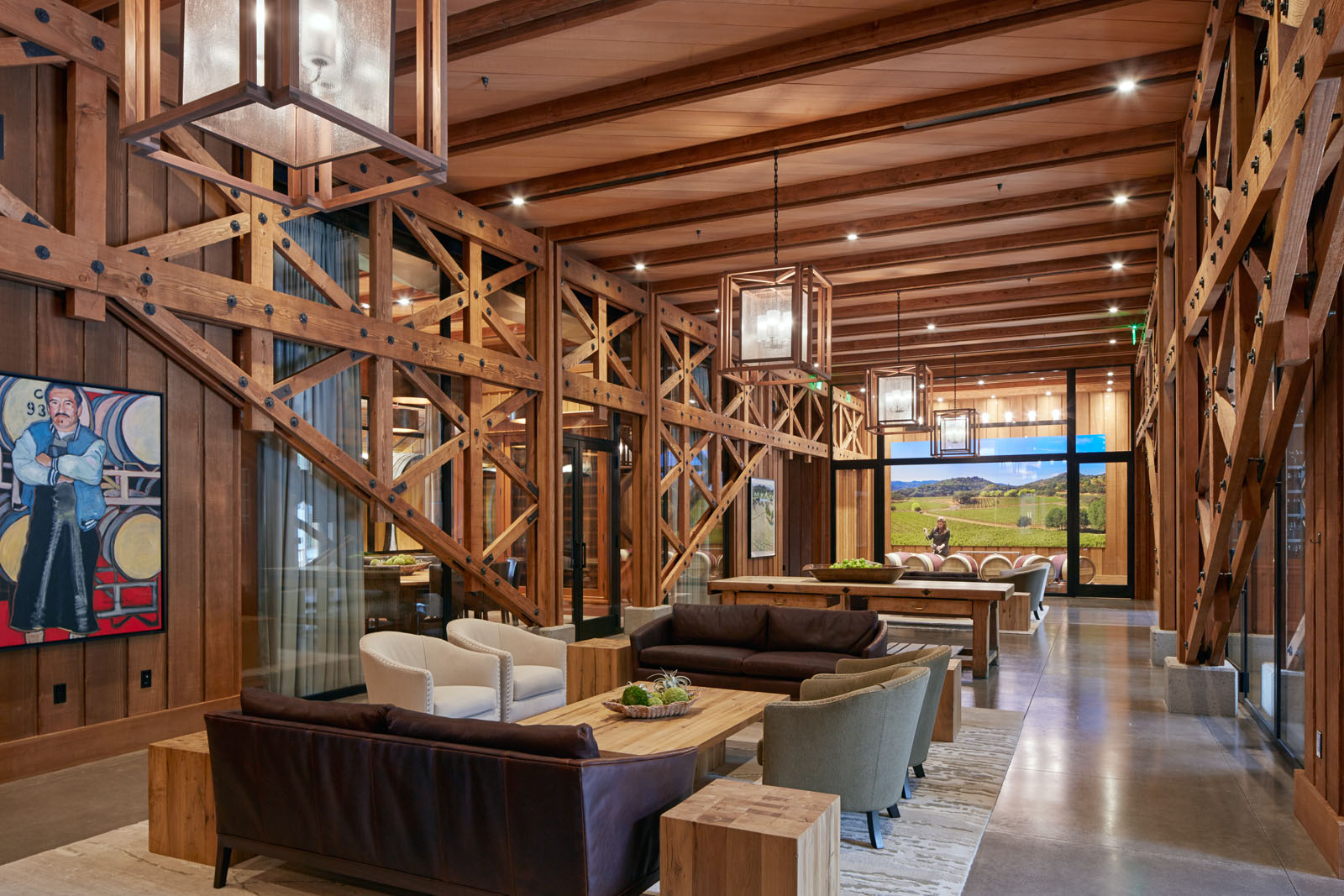
Joseph Phelps created Insignia, California's first proprietary Bordeaux-style red blend.
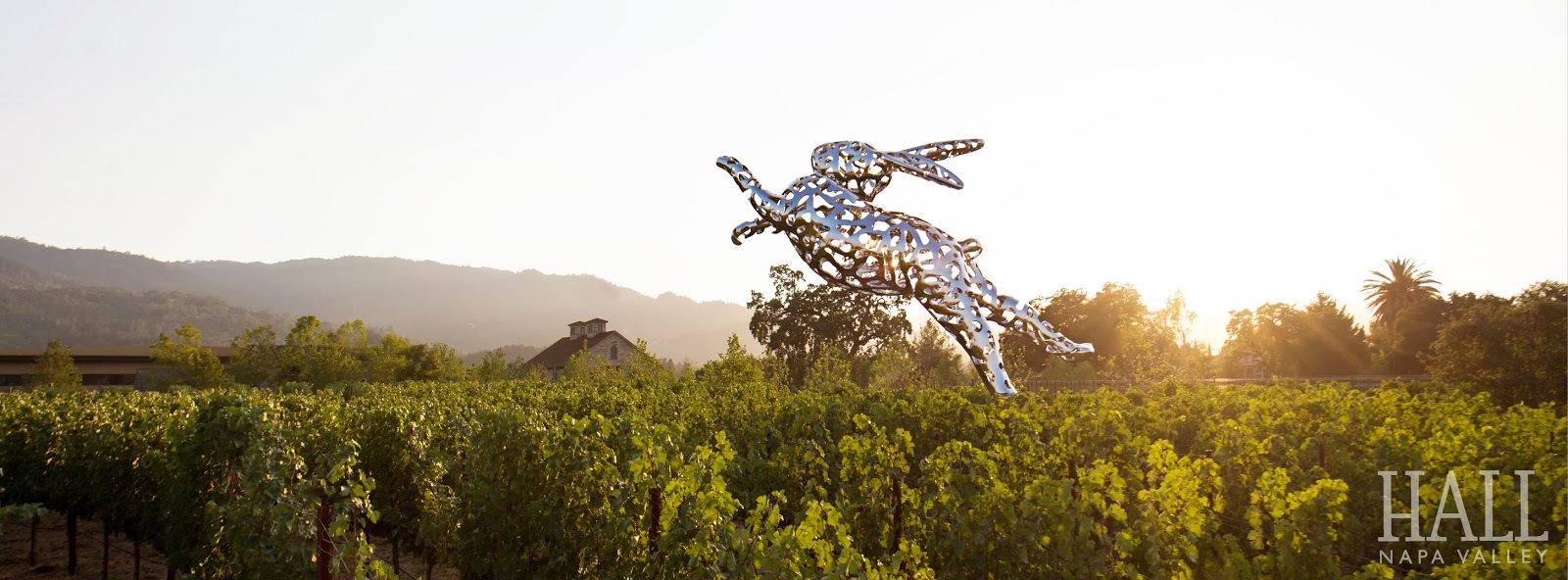
California's first LEED Gold Certified winery pours Cabernets inside a renovated Bergfeld building.
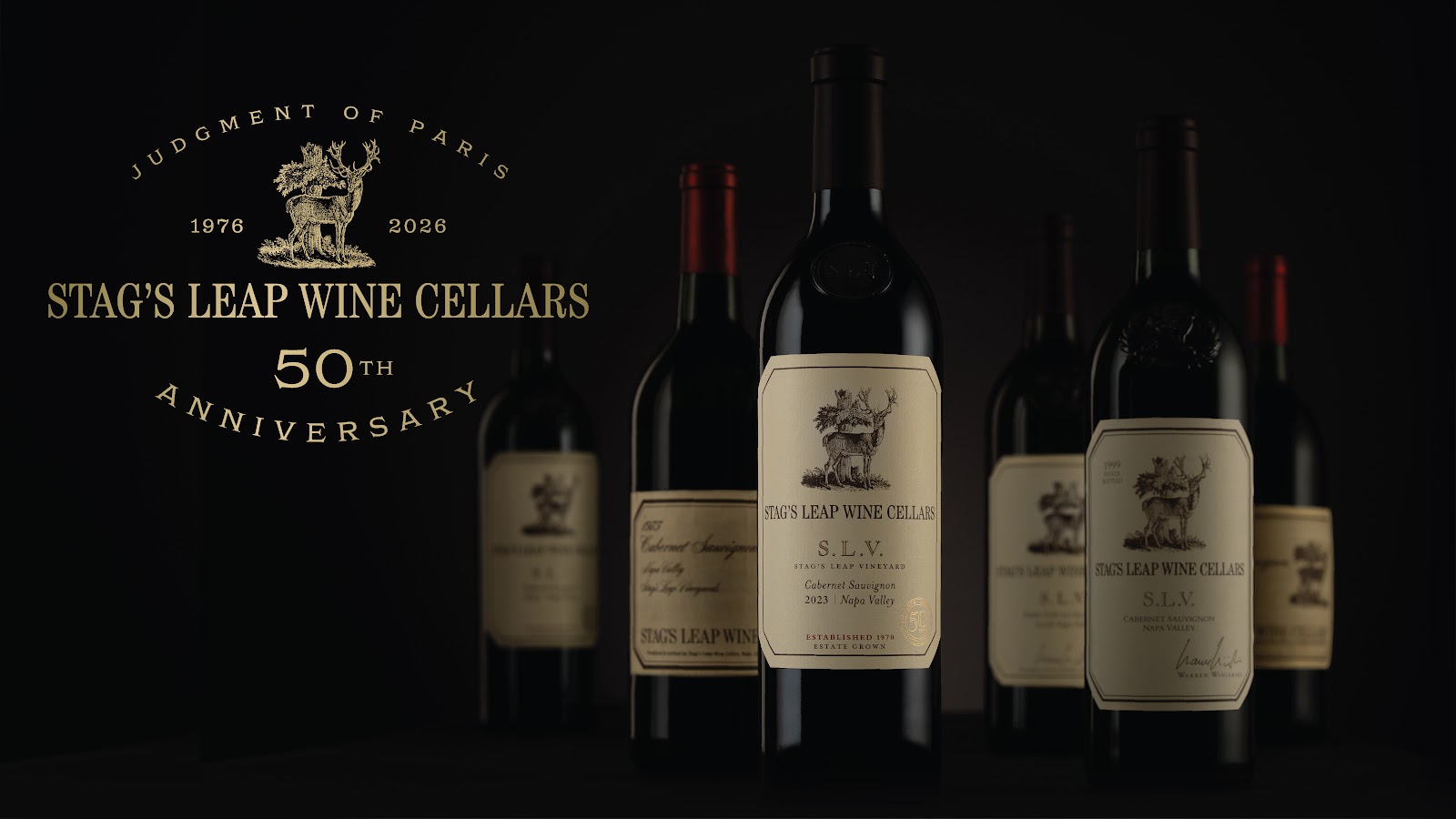
The 1973 S.L.V. Cabernet Sauvignon won the Judgment of Paris in 1976.
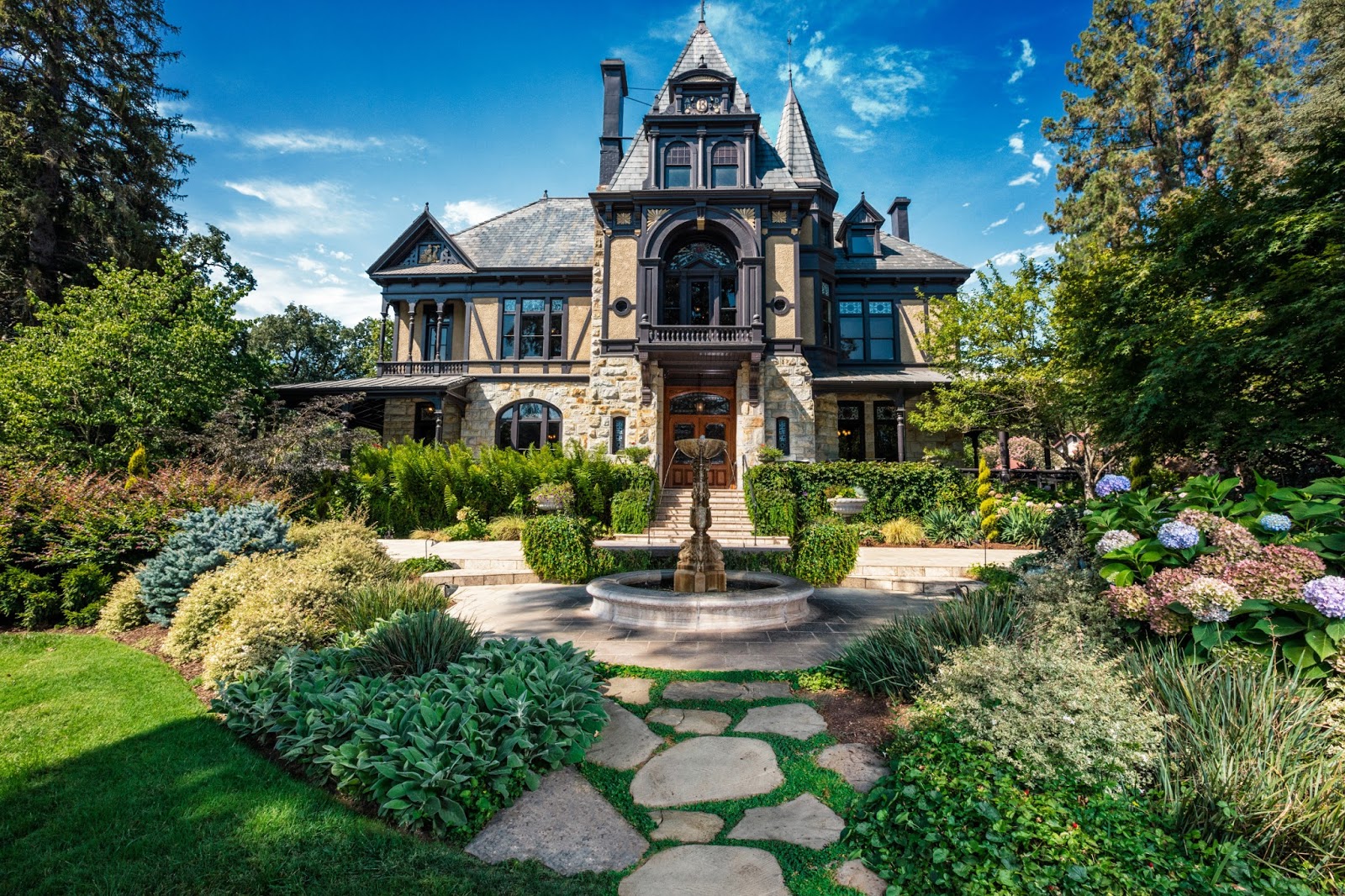
California's oldest continuously operating winery marks 150 years in 2026.
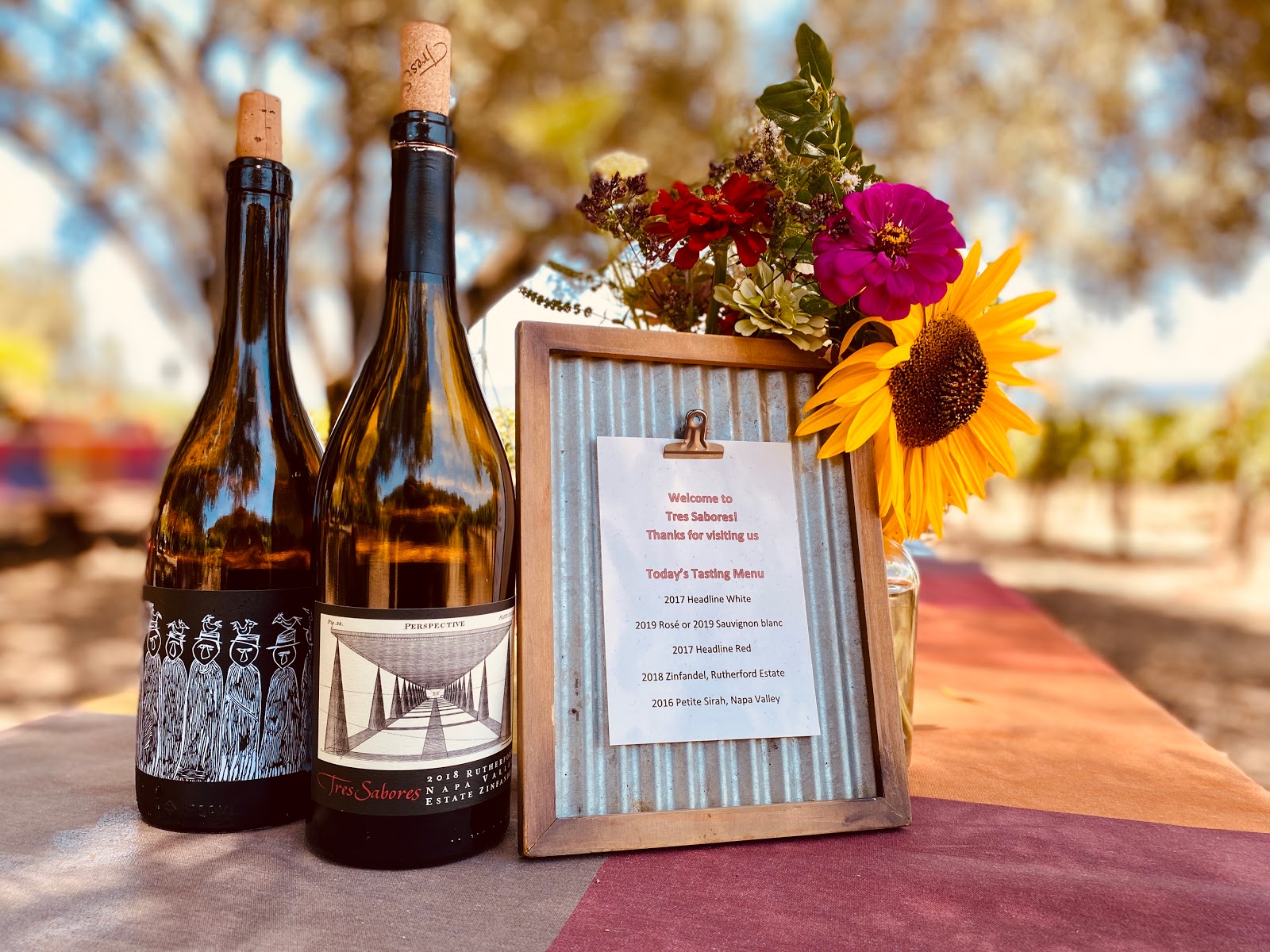
Julie Johnson farms certified organic Zinfandel, Cabernet, and Petite Sirah alongside Guinea fowl and sheep.
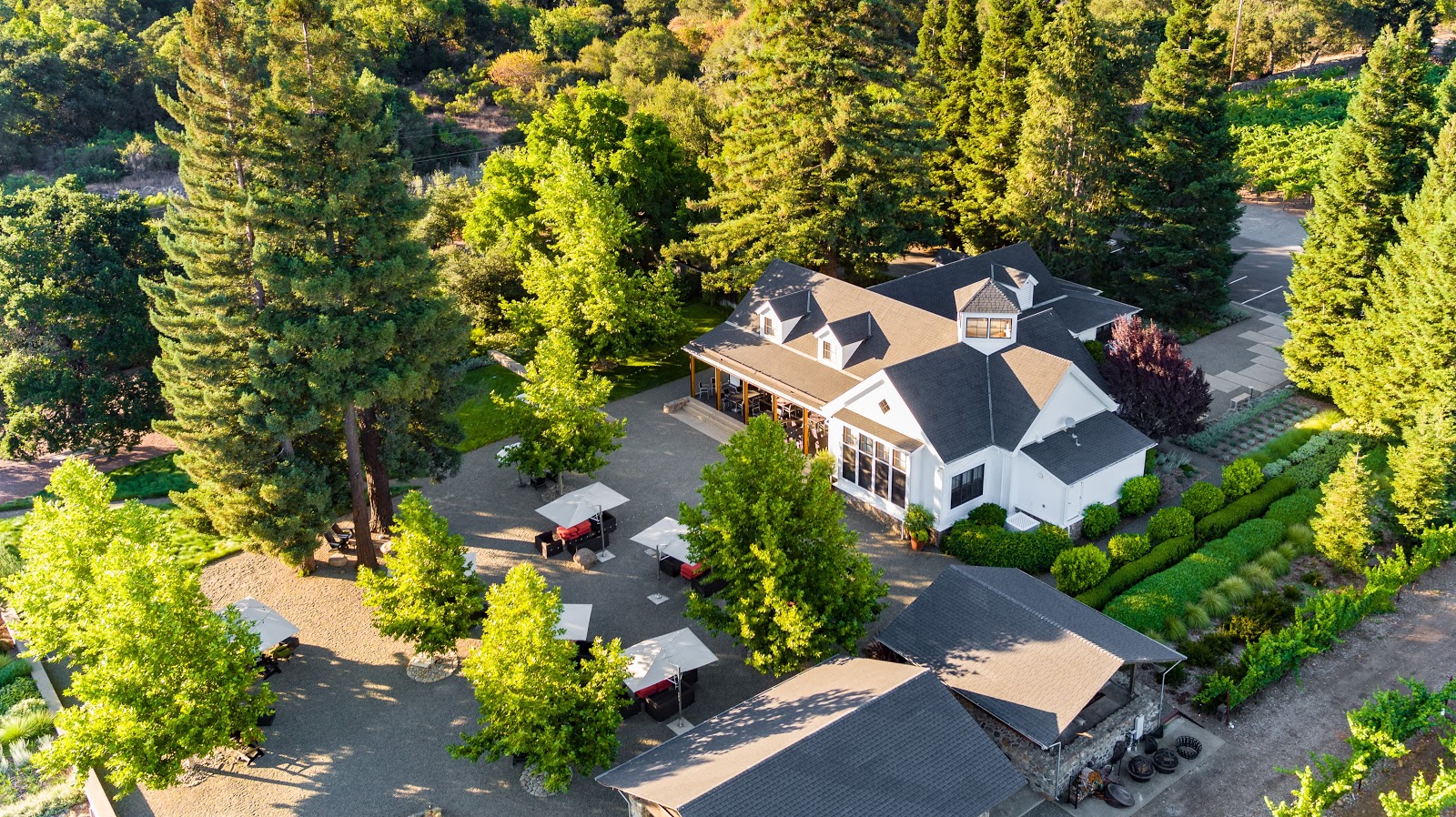
Napa Valley's only winery devoted entirely to red blends, founded in 1994 by Dan and Margaret Duckhorn.
From the cool, fog-kissed Carneros in the south to the sun-drenched slopes of Calistoga in the north.
St. Helena is Napa Valley's wine history in concentrated form — home to the oldest continuously operating winery (Beringer, 1876) and California's first tasting room (Charles Krug, 1861). Main Street's walkable mix of tasting rooms, restaurants, and the Culinary Institute of America at Greystone makes it the cultural heart of upper Napa.
Rutherford is the birthplace of the 'Rutherford Dust' concept — a distinctively earthy, cocoa-like tannin quality in Cabernet Sauvignon coined by legendary winemaker Andre Tchelistcheff. Home to some of Napa's most historically significant estates including Inglenook (1881) and Beaulieu Vineyard (1900).
Stags Leap District is where Napa Valley changed world wine history — the 1973 Stag's Leap Wine Cellars Cabernet Sauvignon won the 1976 Judgment of Paris against top Bordeaux. This tiny appellation (3 miles by 1 mile) was the first US AVA designated based on distinct soil qualities.
Oakville sits at the crossroads of Napa Valley's most important wine influences — warm enough for powerful Cabernet Sauvignon but cooled enough by bay fog for remarkable finesse. It is home to the legendary To Kalon vineyard (established 1868) and some of Napa's most iconic producers.
Calistoga is the only Napa Valley town where world-class wine tasting meets natural hot springs, mud baths, and a geyser — all within a few miles. Its volcanic soils and mountain-ringed microclimate produce some of Napa's most bold and concentrated red wines.
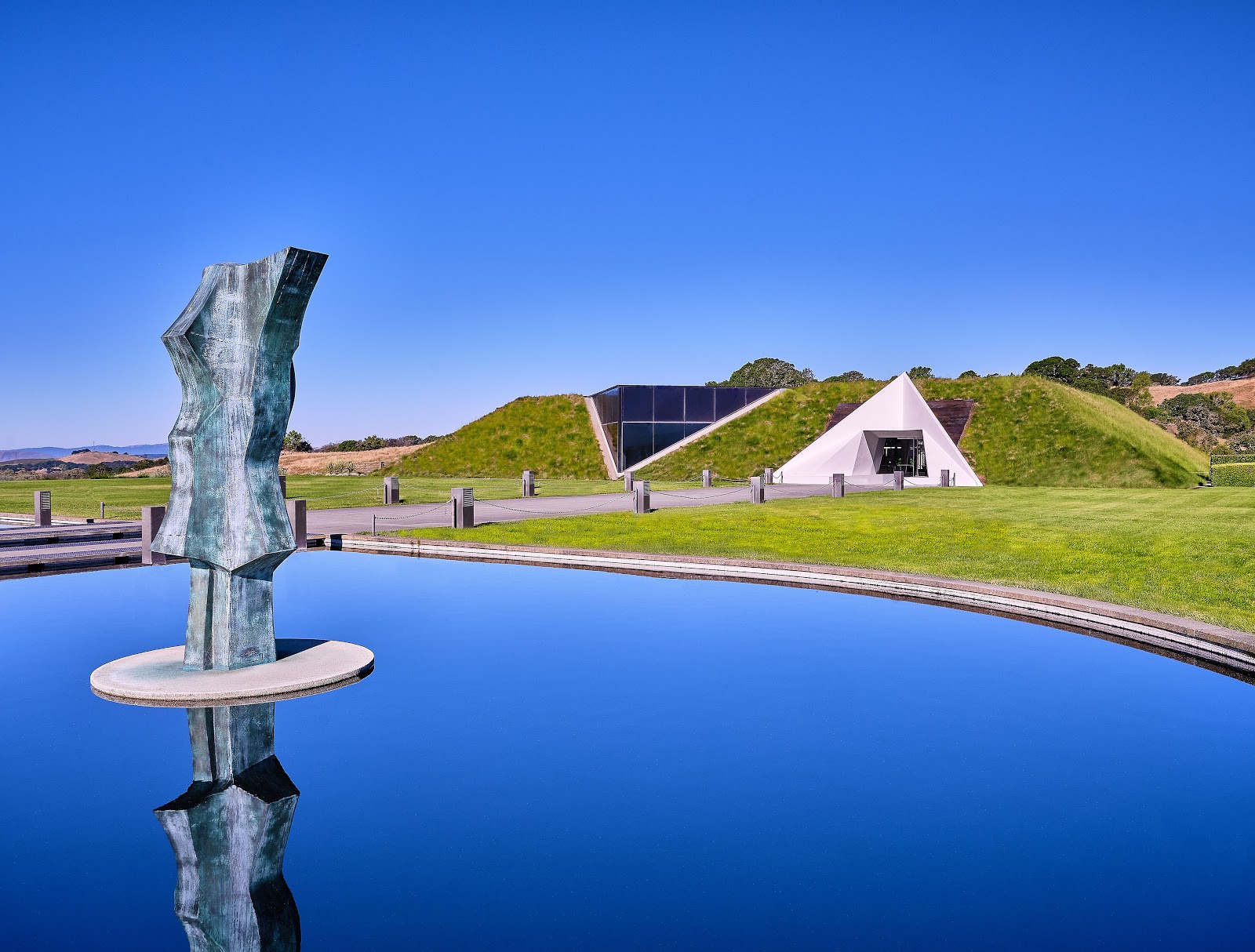
Carneros is 'the other Napa' — a cool-climate region at the valley's southern end where San Pablo Bay winds keep summer highs below 80°F, producing Pinot Noir, Chardonnay, and sparkling wines entirely different from the Cabernets found further north. Domaine Carneros, a partnership with Champagne house Taittinger, is the region's crown jewel.
Oak Knoll District bridges the gap between cool Carneros and warmer upper Napa. Its wineries include Napa pioneers like Trefethen Family Vineyards, and the proximity to downtown Napa makes it easy to combine wine tasting with the city's restaurants and shops.
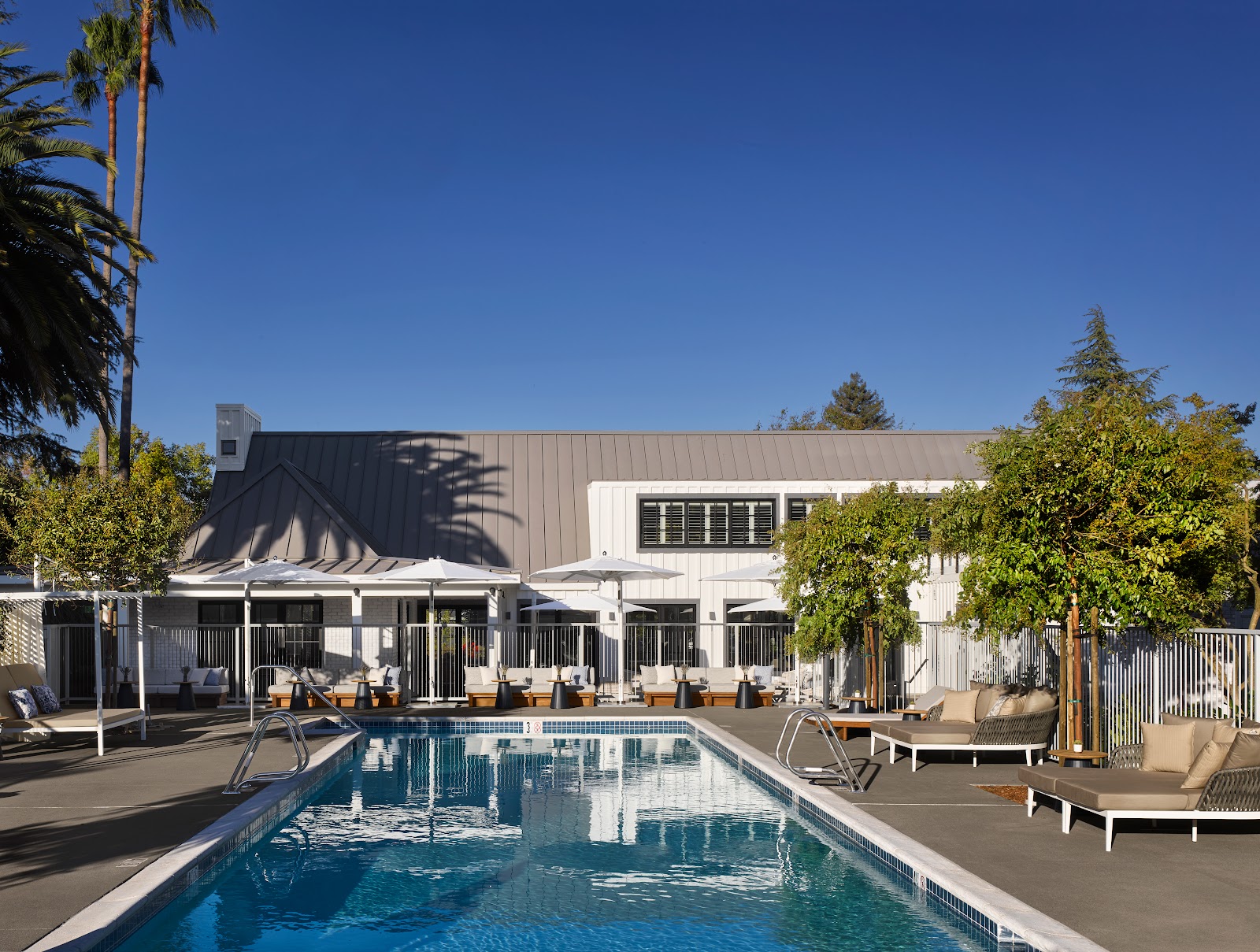
Yountville has more Michelin stars per capita than anywhere else in North America, anchored by Thomas Keller's three-starred French Laundry. Combined with 35 outdoor sculptures on the Art Walk, walkable tasting rooms, and a performing arts theater, it offers the most concentrated cultural experience of any Napa town.
Downtown Napa lets you taste wines from across the valley without driving between estates. The walkable First Street corridor combines tasting rooms with restaurants and shops — perfect for a relaxed afternoon or as a home base for your wine country trip.
Coombsville is Napa's newest frontier — a small, intimate AVA where boutique producers craft wines with a mineral-driven character distinct from the valley floor. With only a handful of wineries, tastings feel personal and unhurried.
Mount Veeder rises along Napa Valley's western edge in the Mayacamas Mountains, with vineyards first planted in the 1860s. The steep terrain and thin soils force vines to struggle for nutrients, producing Cabernets known for tannic structure, dark fruit intensity, and extraordinary longevity.
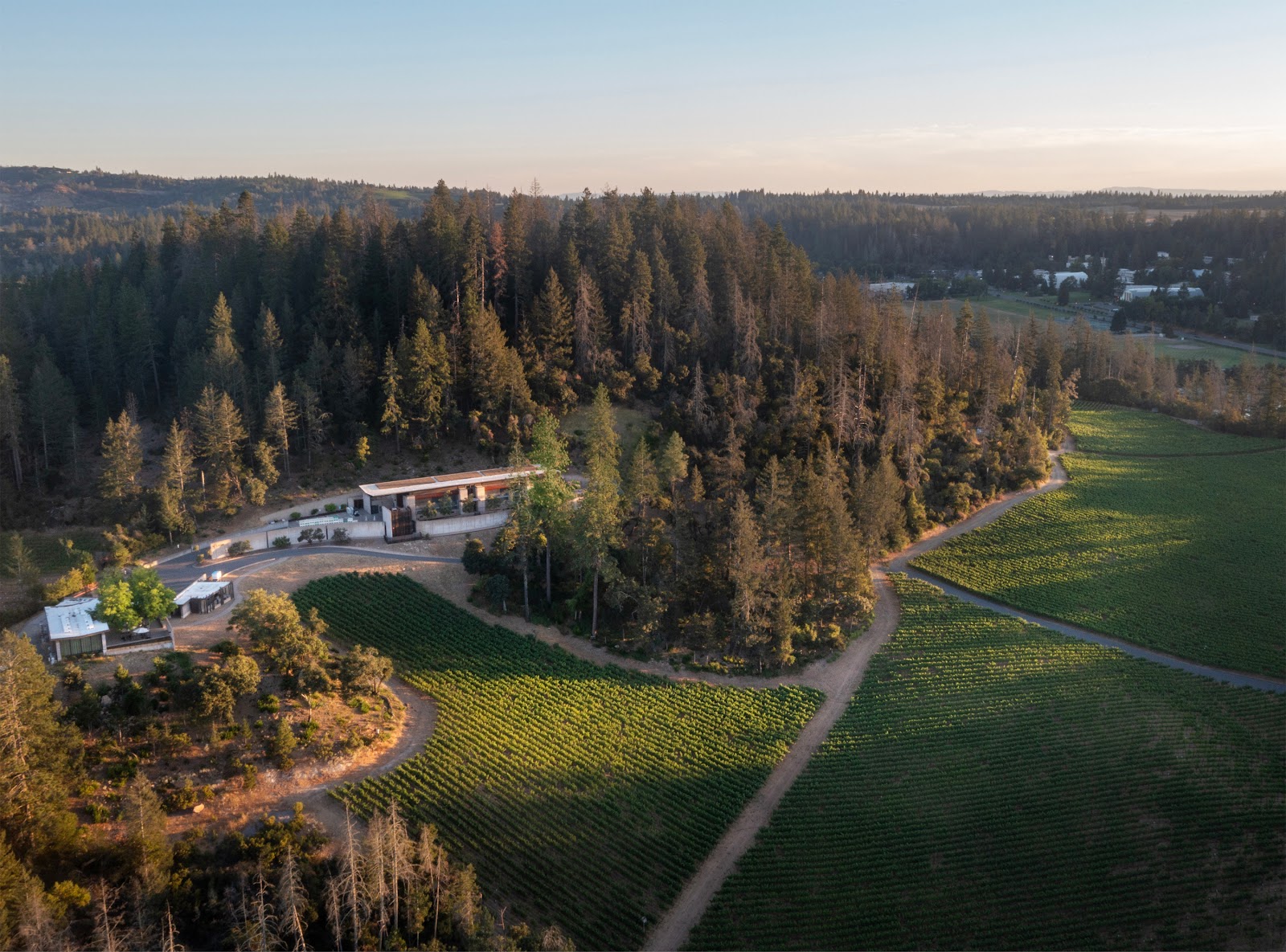
Howell Mountain was Napa's first sub-appellation (1983) and its first mountainous nested AVA. At 1,400 to 2,500 feet, vineyards sit above the fog line with more sunshine hours than the valley floor, producing intensely concentrated Cabernet Sauvignon with firm structure and remarkable aging potential.
Atlas Peak is one of Napa's most dramatic mountain appellations, with vineyards between 760 and 2,600 feet. Above the fog line, intense sunlight and cool nights produce deeply concentrated, mineral-driven wines with remarkable aging potential.
 Hotel
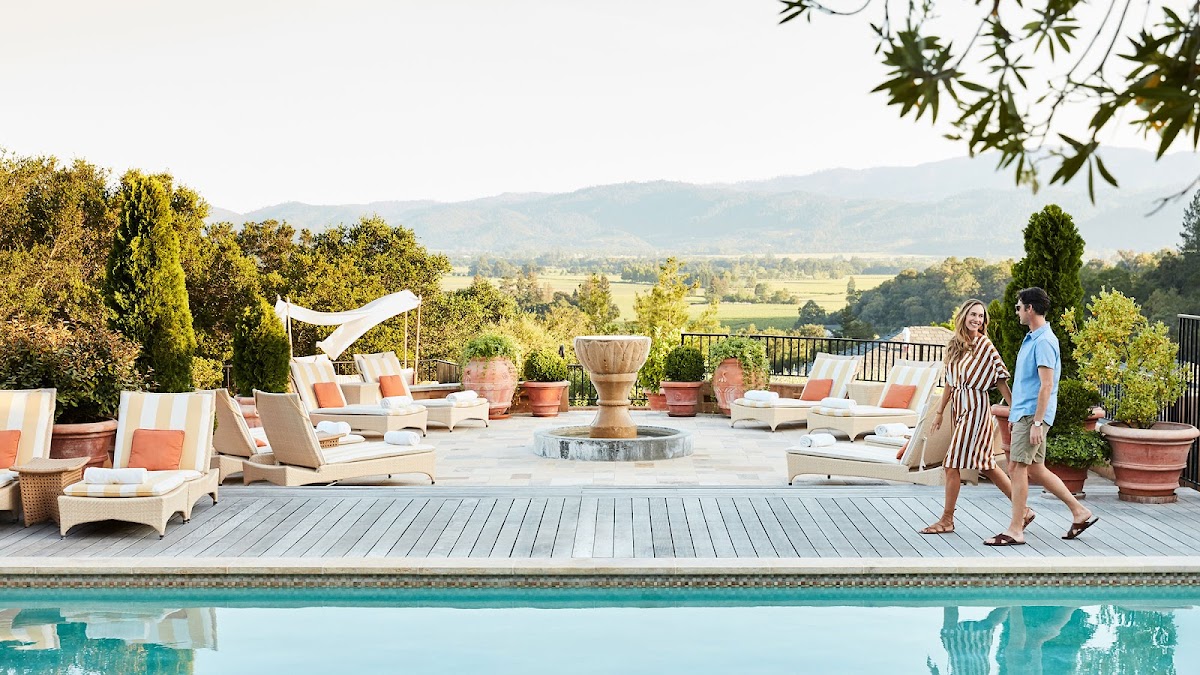
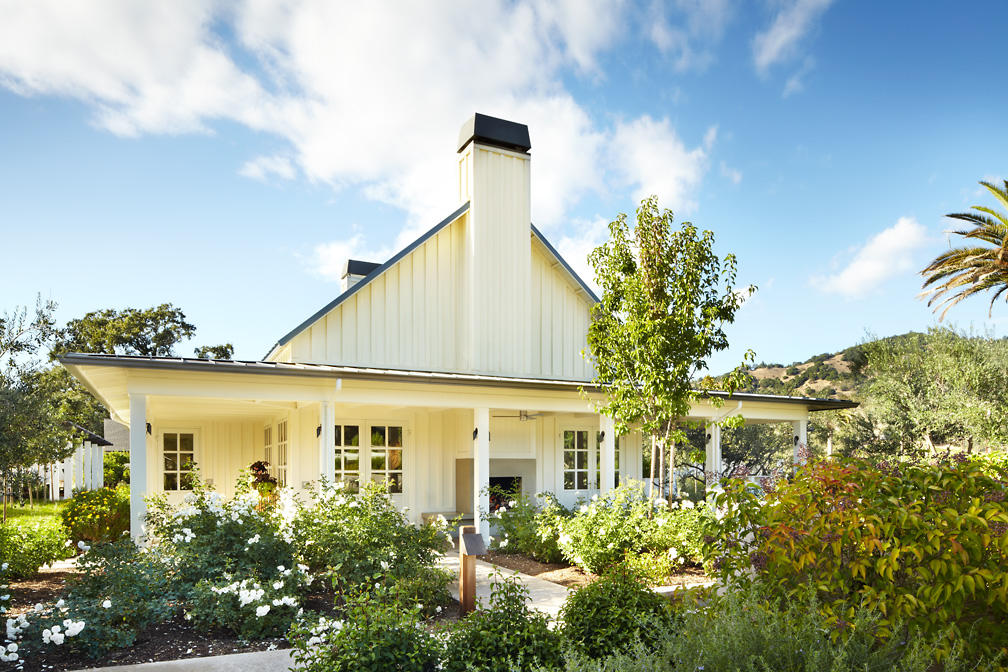
HotelAuberge du Soleil terraces down a Rutherford hillside planted with heritage olive and oak trees.
 Hotel
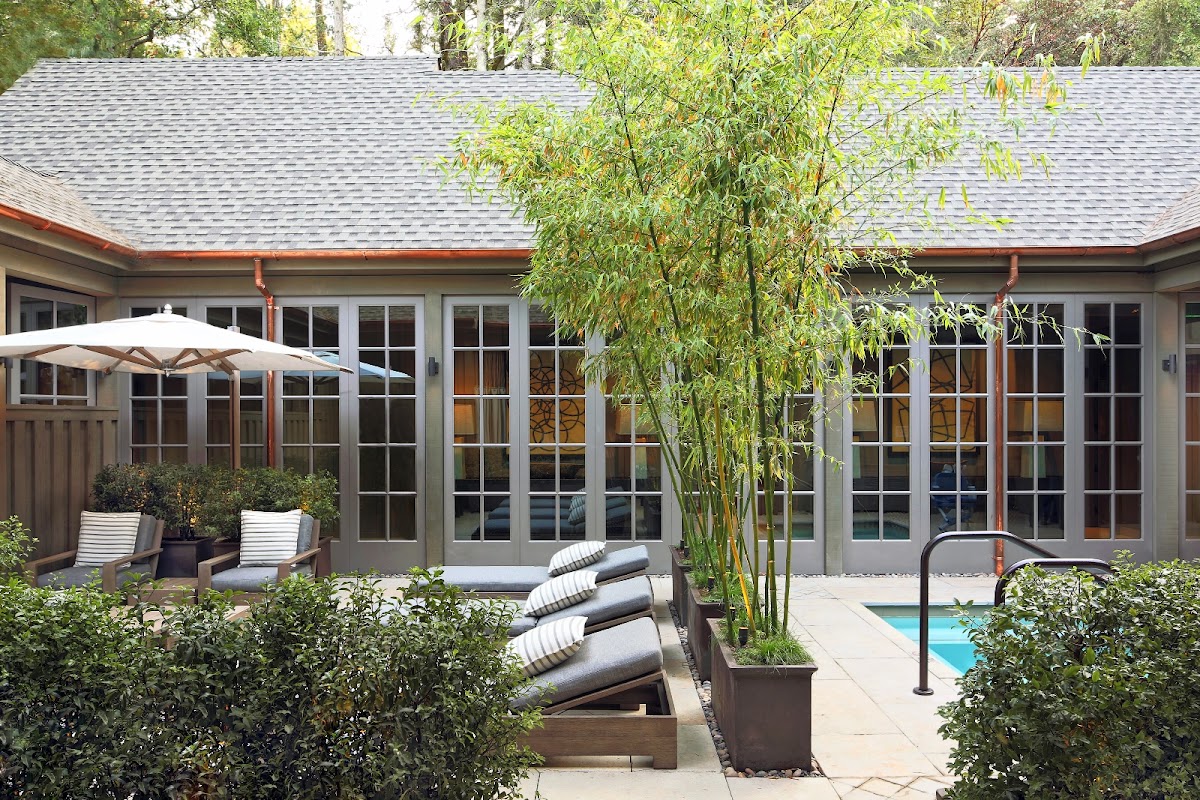
HotelThe 20,000-square-foot spa runs on Calistoga's geothermal water and books out weeks ahead.
 Hotel
HotelA 250-acre estate on land first settled in 1961, with wood-lined cottages scattered across oak groves.
April through November. Harvest season (August-October) is the most exciting time, while spring offers wildflowers and fewer crowds.
$0 – $780 per tasting
44 wineries welcome dogs
32 family-friendly options
Stories, seasonal guides, and insider knowledge from wine country.
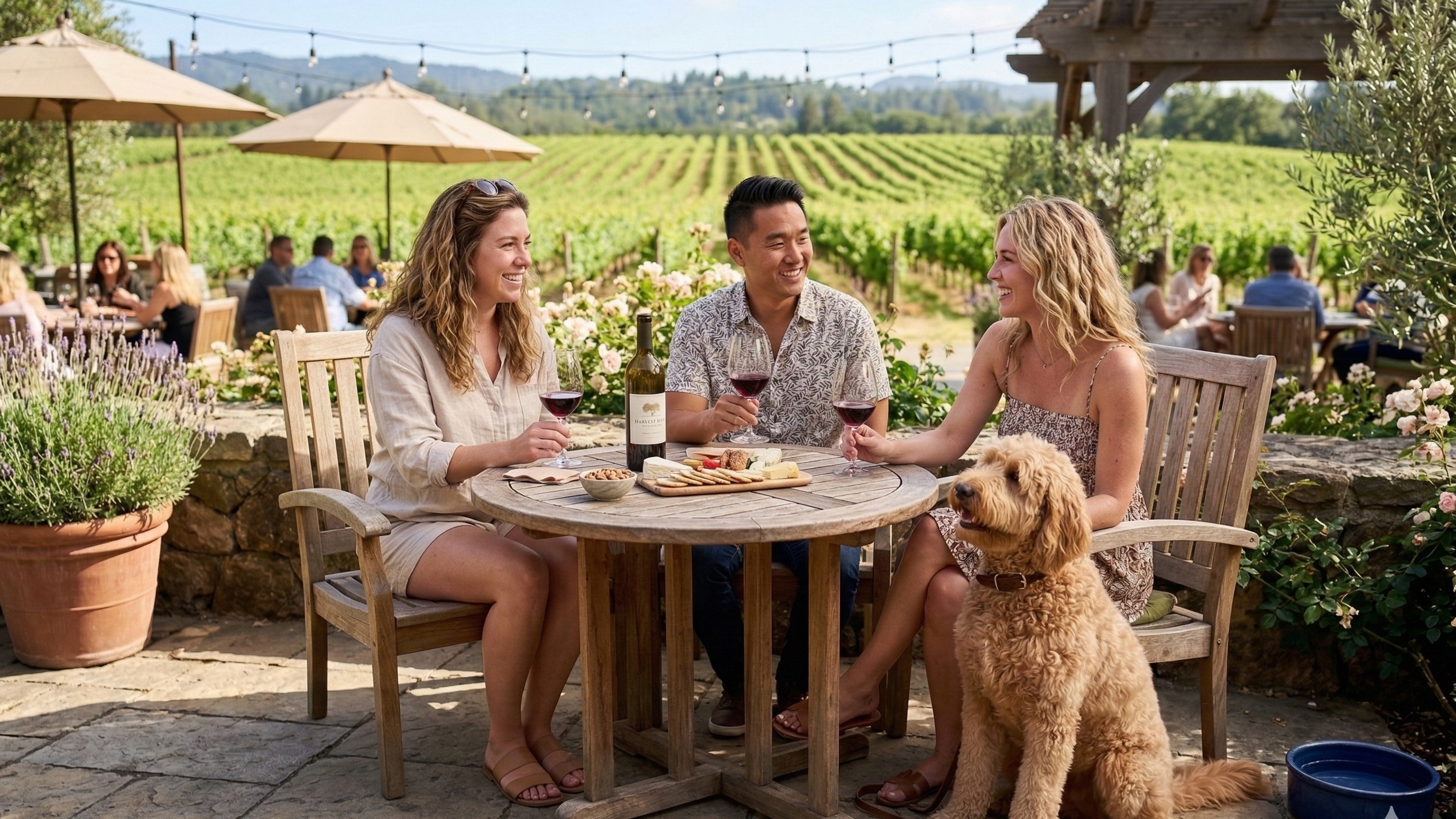
Where to stay with your dog in wine country — luxury resorts that provide beds and bowls, cozy Healdsburg and Calistoga inns, and glamping for the trail dog, plus the fee fine print.
Where to actually bring your dog wine tasting in Napa — resident golden retrievers, castle courtyards, picnic lawns, and hilltop patios, with the leash rules that matter.
Sonoma is dog country — the wineries that actually welcome your pup, from working farms in Dry Creek to historic lawns in Sonoma Valley, with the leash rules that matter.