Russian River Valley · Sonoma5.0 · 657
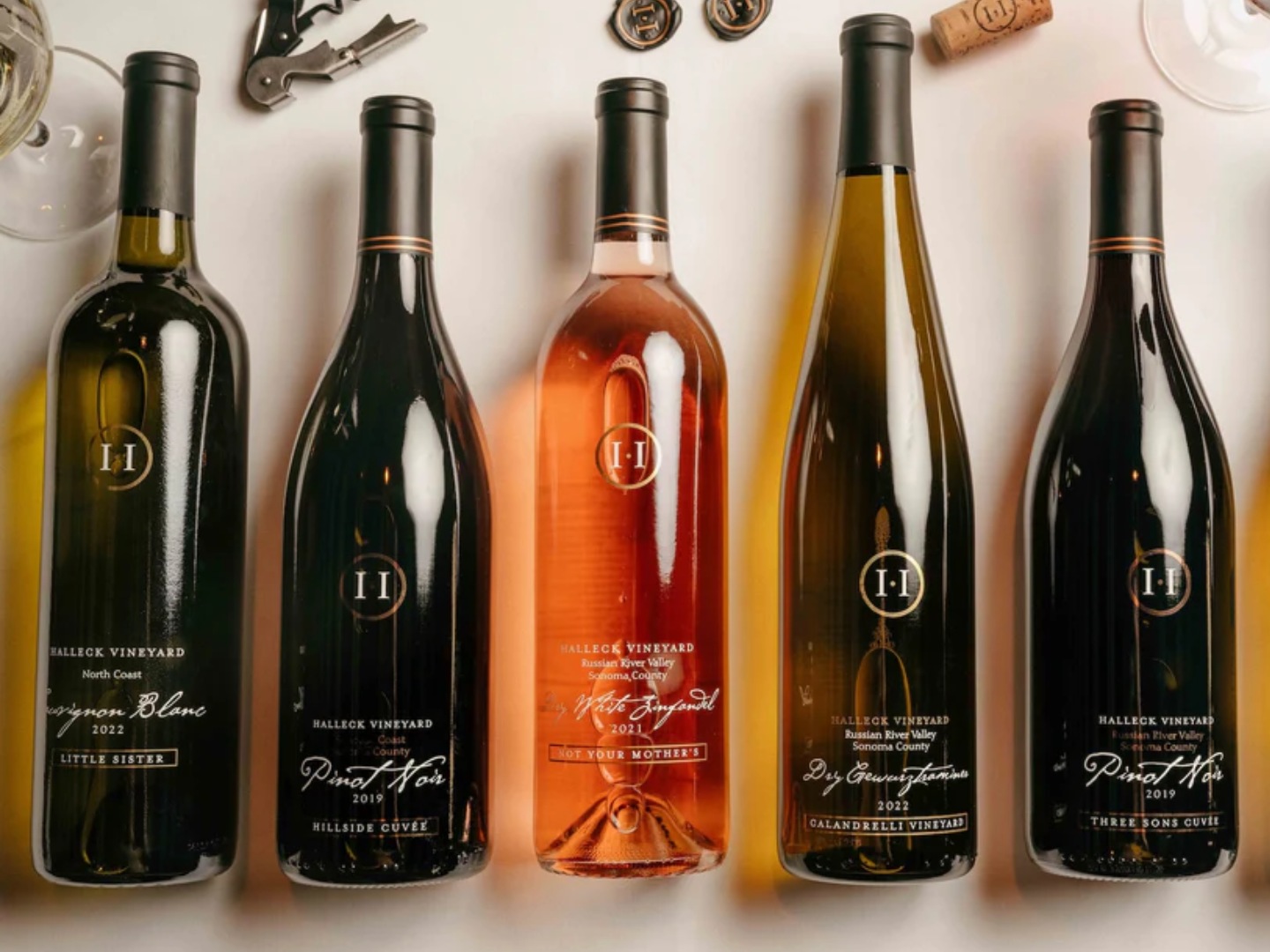
Halleck Vineyard Estate Winery & Wine Tasting Room
At 900 feet, Halleck is one of Sonoma County's highest vineyards.
ReservationDog OK
$$$From $70
From the world-class Pinot Noirs of Russian River Valley to the heritage Zinfandels of Dry Creek, discover Sonoma's laid-back charm and extraordinary diversity.
Sonoma County is California wine country's best-kept open secret. While Napa Valley draws the spotlight, Sonoma's sprawling 1,768 square miles of diverse terrain produce wines of equal quality with a distinctly more relaxed, approachable atmosphere. From fog-cooled coastal vineyards to sun-drenched inland valleys, Sonoma's geographic diversity is unmatched in California.
The region's calling card is Pinot Noir, particularly from the Russian River Valley and Sonoma Coast, where cool marine fog produces wines of remarkable elegance and complexity. But Sonoma is equally renowned for its Chardonnay, old-vine Zinfandel from Dry Creek Valley, and bold Cabernet Sauvignon from Alexander Valley. This diversity means every palate finds something to love.
Sonoma's tasting culture tends toward the casual and welcoming. Many wineries are family-owned, and you're likely to be poured by the winemaker themselves. Tasting fees are generally more affordable than Napa, and walk-ins are more common, making Sonoma an ideal destination for both first-time visitors and seasoned wine enthusiasts.
The highest-rated wineries across all Sonoma County sub-regions.
At 900 feet, Halleck is one of Sonoma County's highest vineyards.
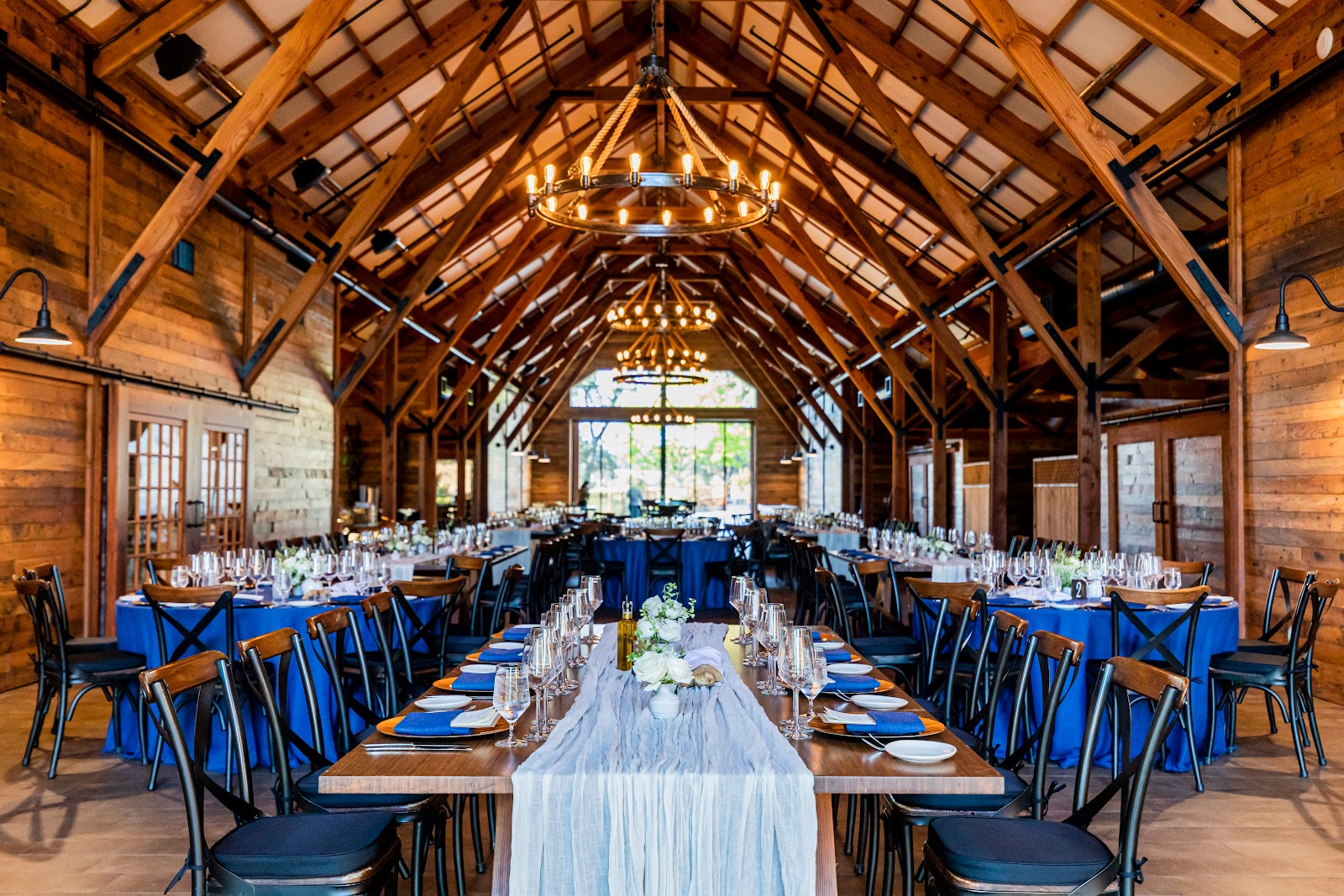
Bricoleur pairs each wine with dishes from its onsite culinary team, not just a tasting flight.
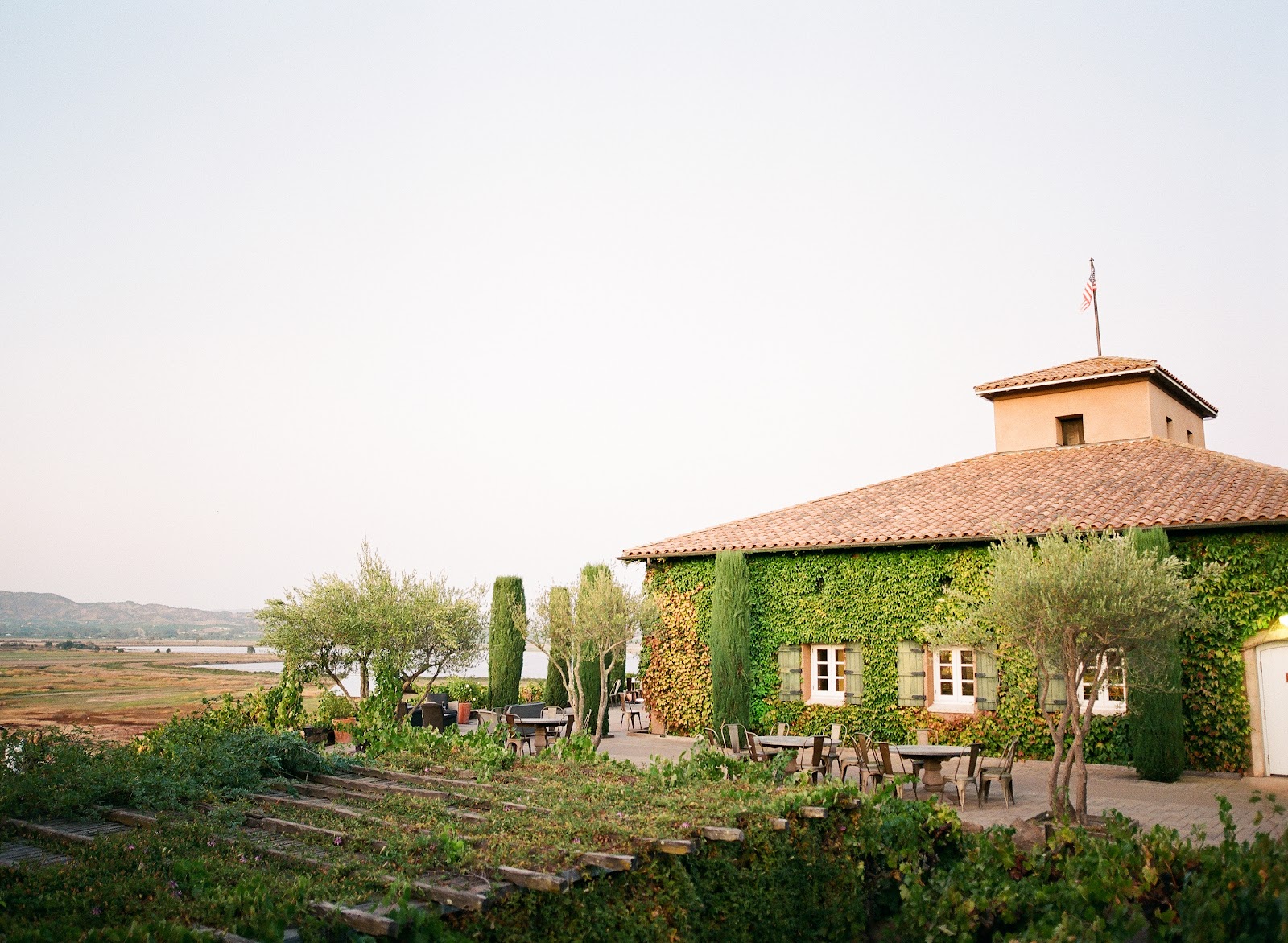
Viansa pours Italian varietals from its own Carneros vineyards above a 97-acre wetland preserve.
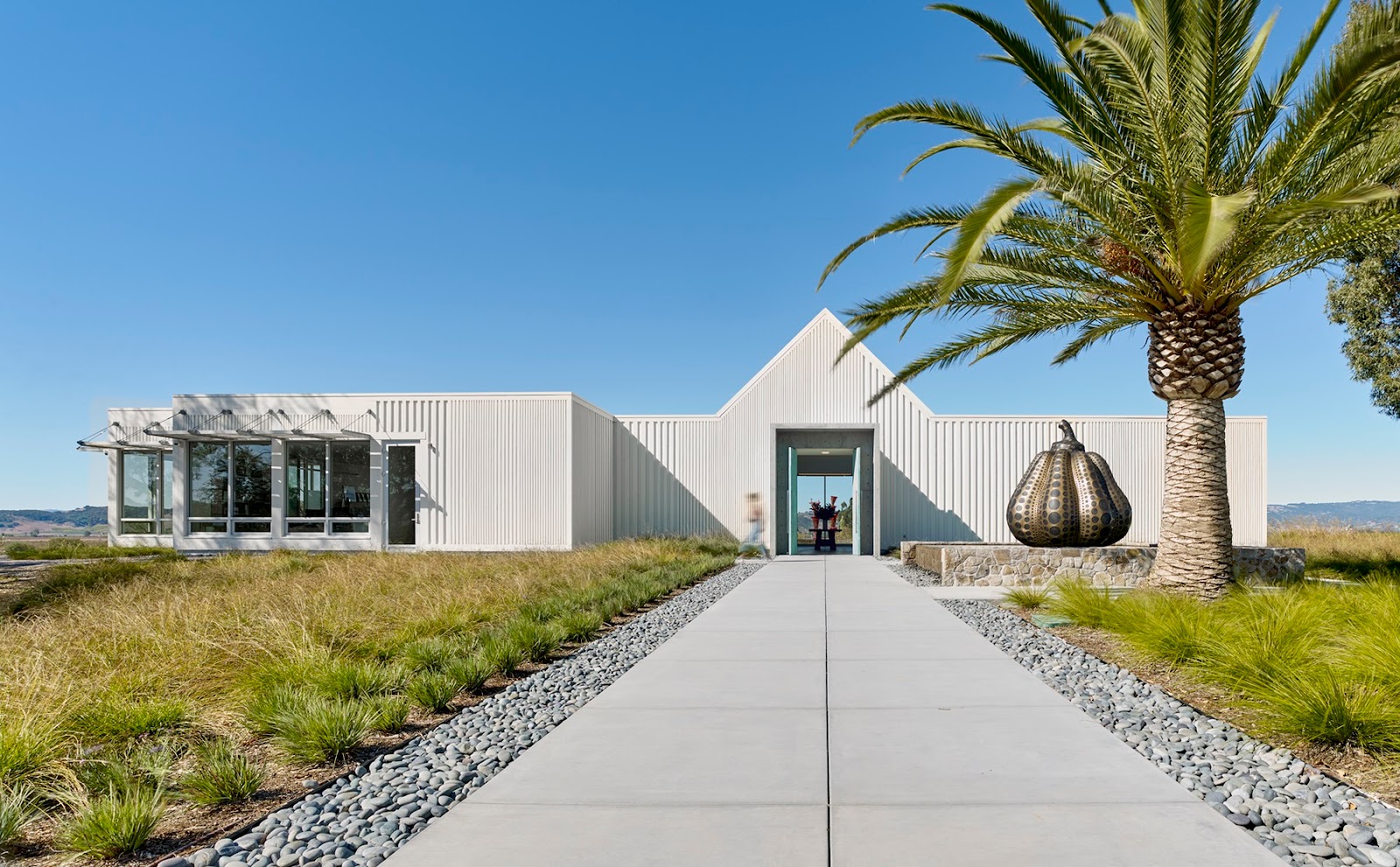
Donum combines single-vineyard Carneros Pinot Noir and Chardonnay with more than 50 monumental sculptures.
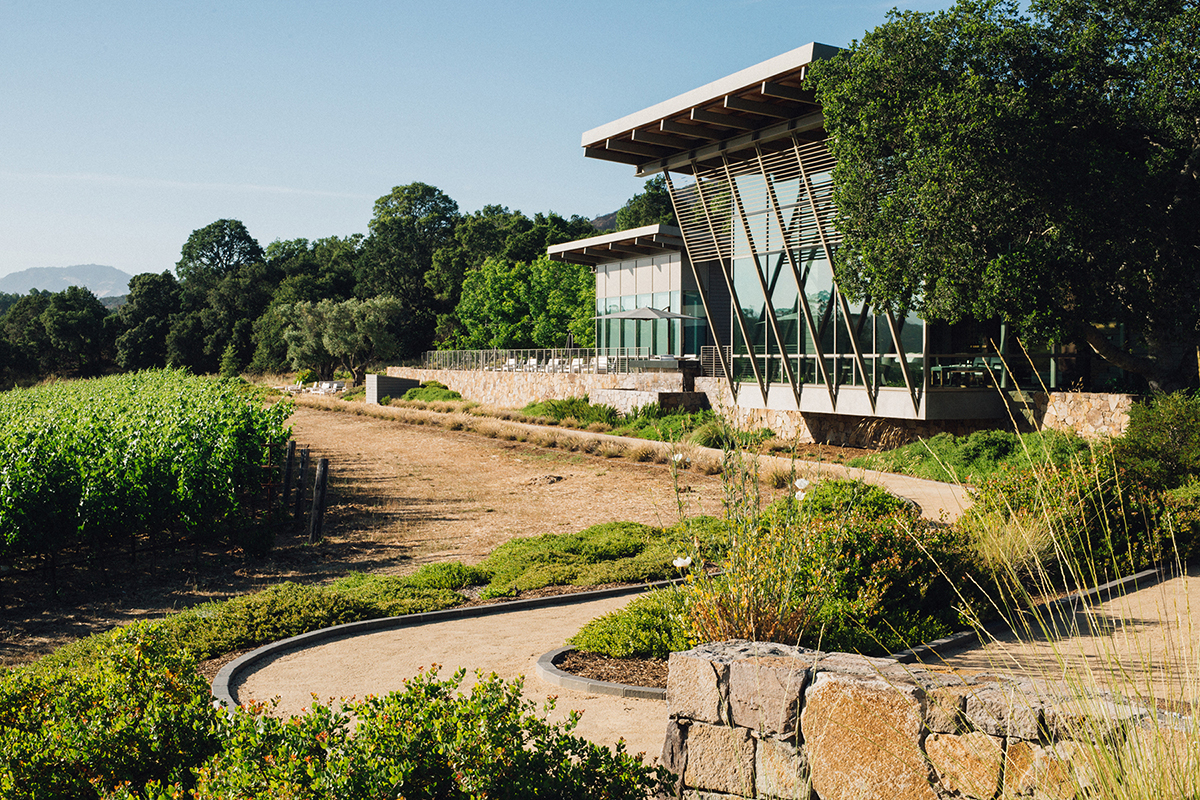
Hamel dry-farms volcanic hillside vineyards using certified Biodynamic practices.
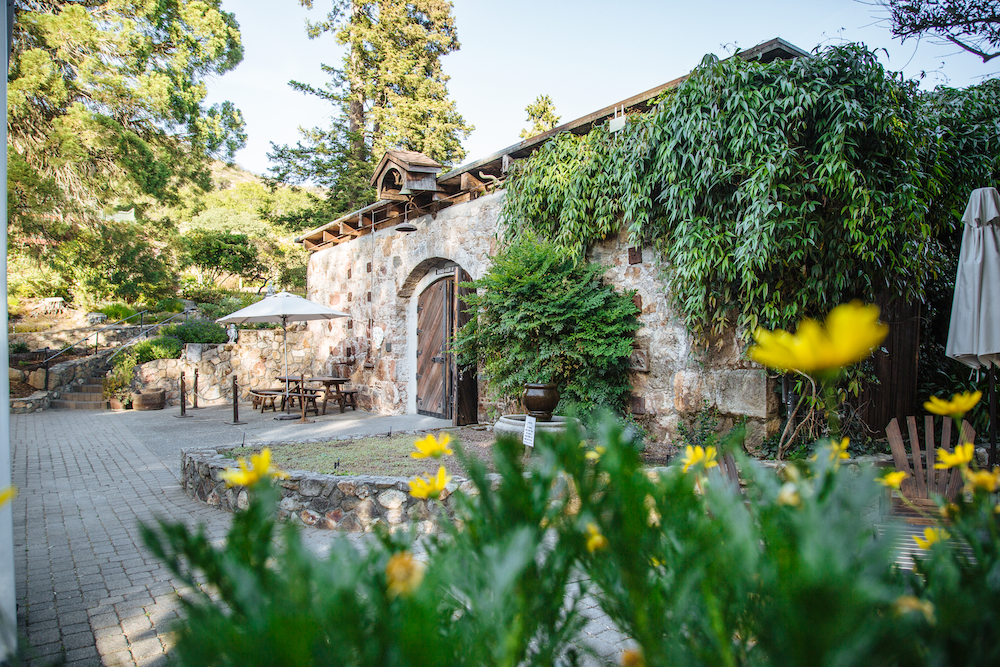
California's sixth-oldest winery, making wine continuously since 1858 on Rhinefarm.
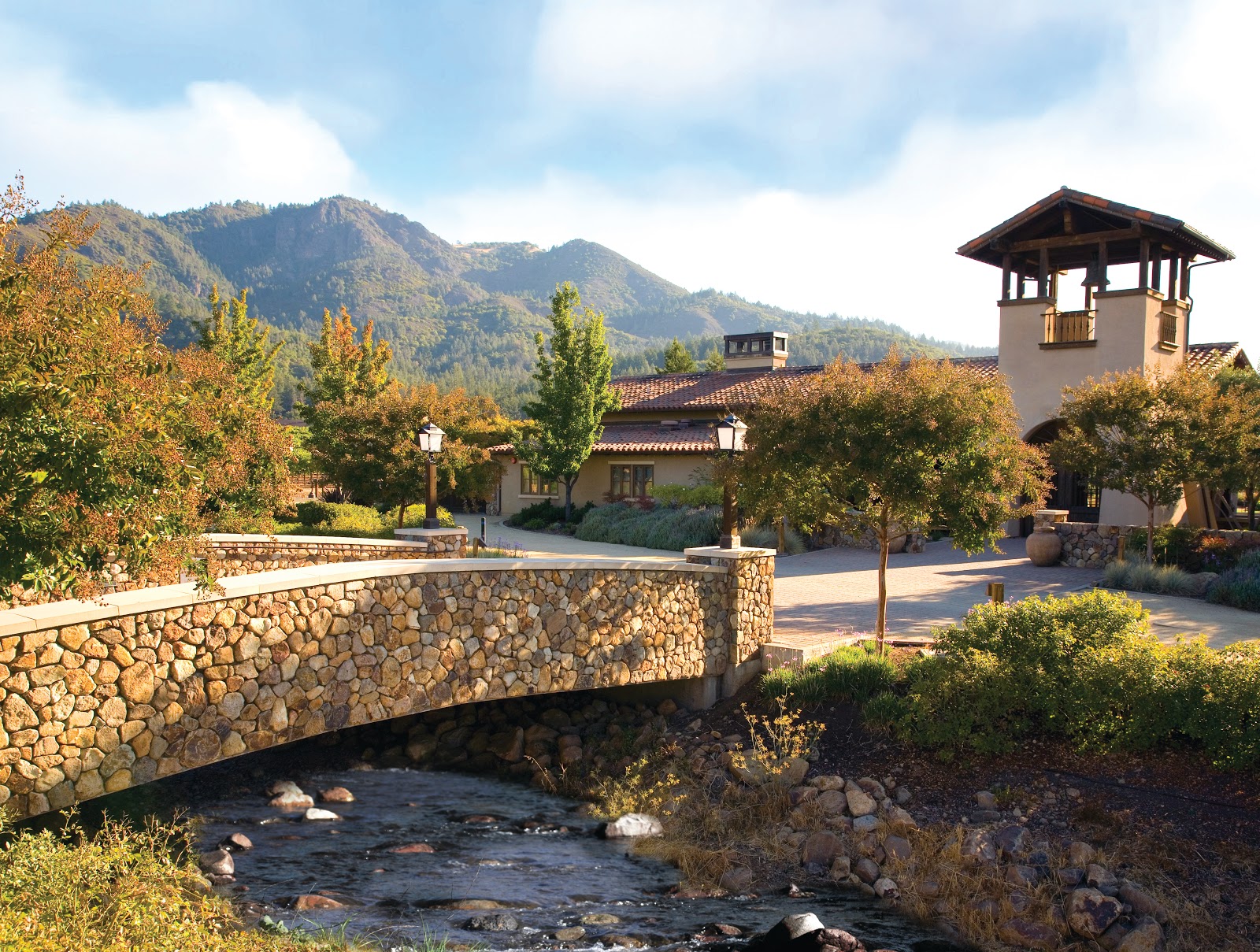
Joe Martin planted his first vines here in 1971, and St. Francis now farms over 400 certified sustainable acres.
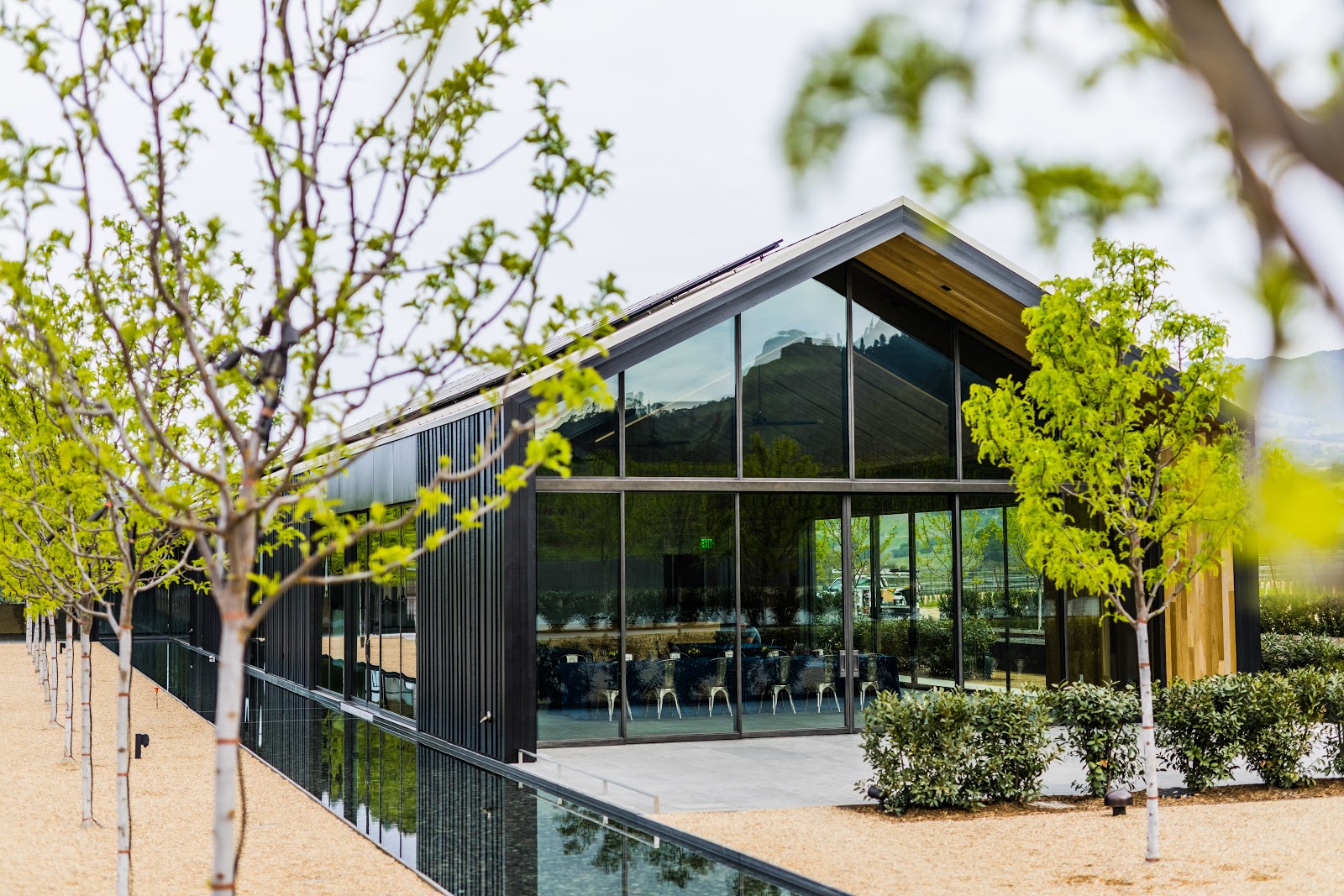
Silver Oak makes one wine — Alexander Valley Cabernet Sauvignon — and has since 1972.
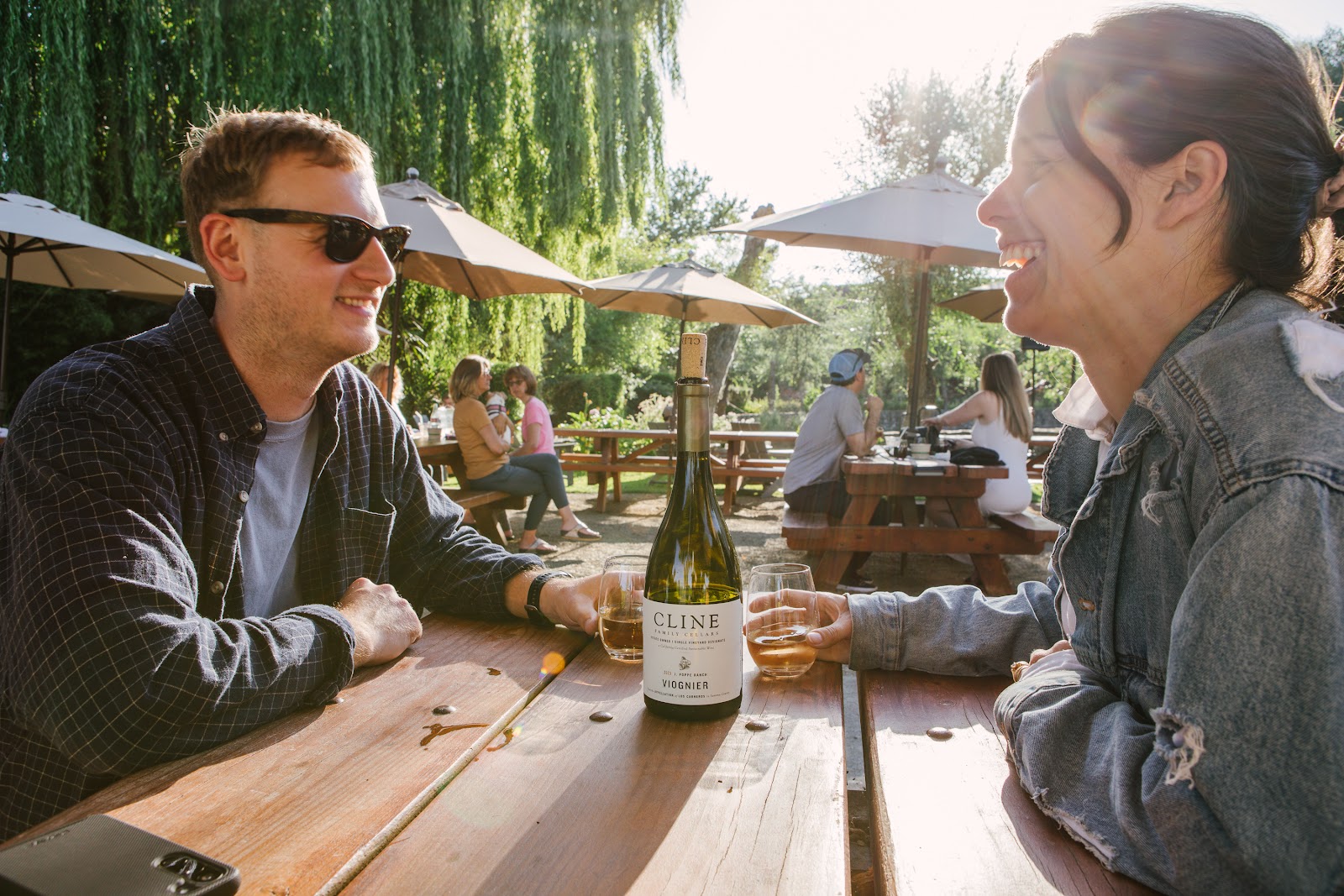
Fred and Nancy Cline founded this Rhône-focused estate in 1982 on 350 acres in Sonoma-Carneros.
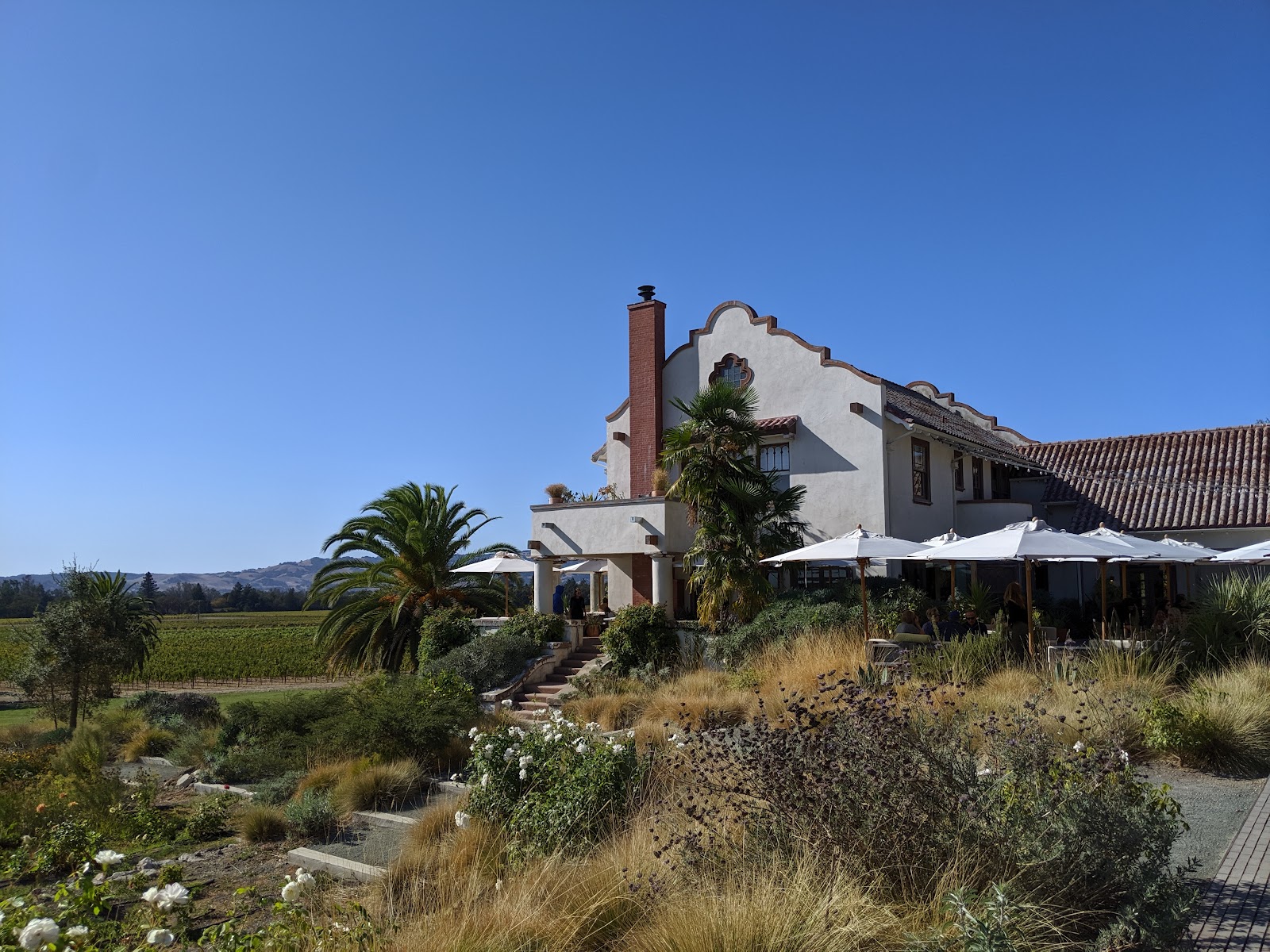
Andrew and Adam Mariani farm their family's original 1858 Sonoma land as Scribe Winery.
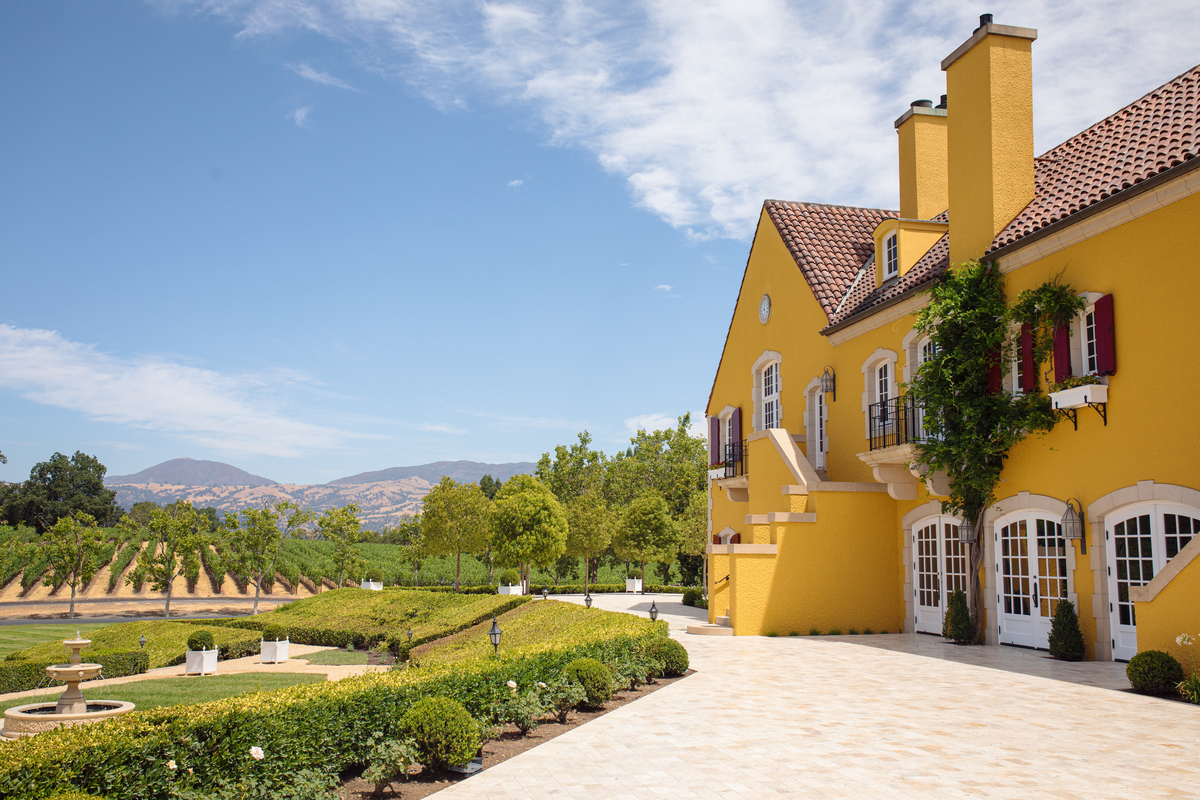
The 1,200-acre estate produces only Chardonnay and Cabernet Sauvignon since the 1970s.
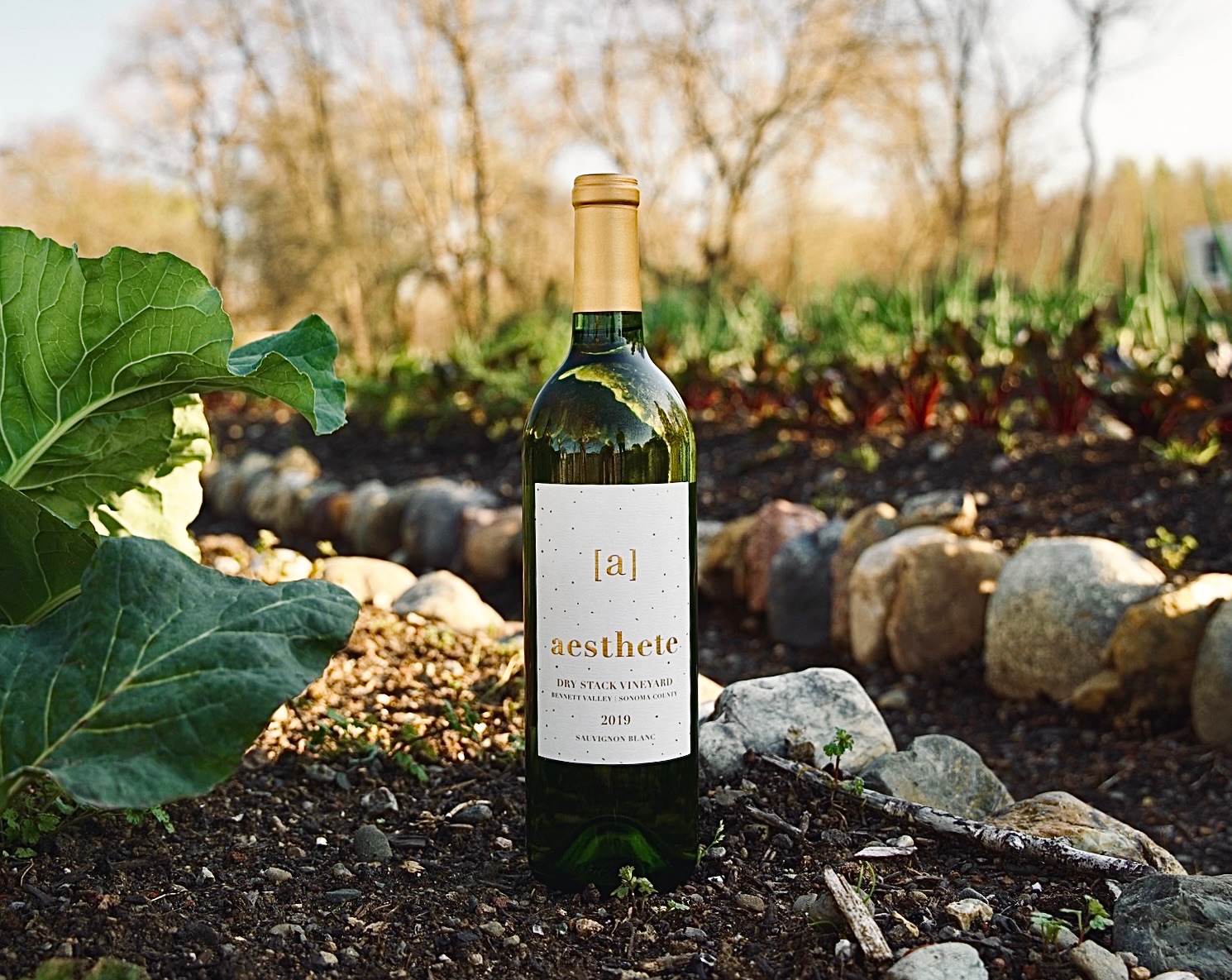
Jesse Katz makes estate wines from Dry Stack Vineyard on a working animal rescue farm.
From the fog-cooled Russian River Valley to the sun-baked slopes of Dry Creek and Alexander Valley.
Russian River Valley is one of California's premier cool-climate wine regions, best known for world-class Pinot Noir and Chardonnay. Pacific fog rolls through a gap in the coastal mountains each morning, creating ideal conditions for these varieties. Beyond wine, the region offers redwood forests, river recreation, and small-town charm.
Sonoma Valley is the birthplace of California's commercial wine industry, dating to the 1850s. Flanked by the Mayacamas and Sonoma mountain ranges, it produces diverse wines across approximately 14,000 vineyard acres. The historic town of Sonoma and Jack London's home in Glen Ellen add cultural depth beyond wine.
Dry Creek Valley is Sonoma's Zinfandel heartland, with old-vine blocks that survived Prohibition still producing today. The compact 16-by-2-mile valley has a Bordeaux-like climate and remains refreshingly rural — family-owned wineries, no traffic lights, and the Dry Creek General Store (est. 1881) as its unofficial center.
Carneros straddles the Sonoma-Napa border and is defined by the cooling influence of San Pablo Bay, making it ideal for Pinot Noir and Chardonnay in both still and sparkling wines. It's the closest Sonoma wine region to San Francisco and home to iconic sparkling houses and world-class art.
Alexander Valley grows all five classic Bordeaux varietals across 15,000 acres along a 25-mile stretch of the Russian River. With only 33 wineries, it offers an unhurried agricultural experience — Sonoma's answer to Napa's Cabernet country, but with significantly fewer crowds and lower tasting fees.
Petaluma Gap is Sonoma's newest AVA (2017) and one of its most distinctive — defined by the wind corridor that funnels Pacific breezes through a gap in the coastal mountains. With fewer than 15 wineries, it offers a frontier-like discovery experience about 25 miles from the Golden Gate Bridge.
Bennett Valley is one of Sonoma's smallest and most secluded wine regions, with roughly 650 acres of vineyards tucked between three mountain peaks. Cool Pacific winds through the Petaluma Gap make it ideal for Sauvignon Blanc and Merlot. Matanzas Creek's lavender gardens alone make it worth the detour.
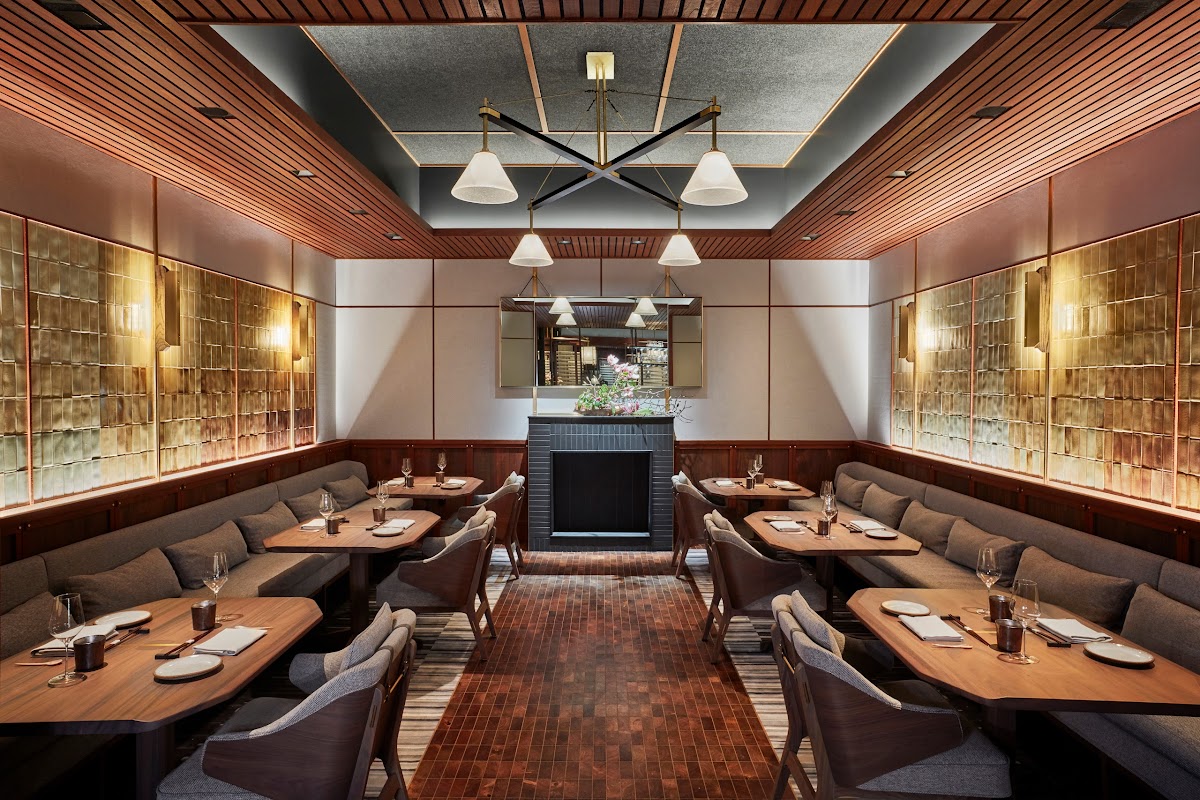 Inn
InnFive guest rooms above a three-Michelin-star restaurant in downtown Healdsburg.
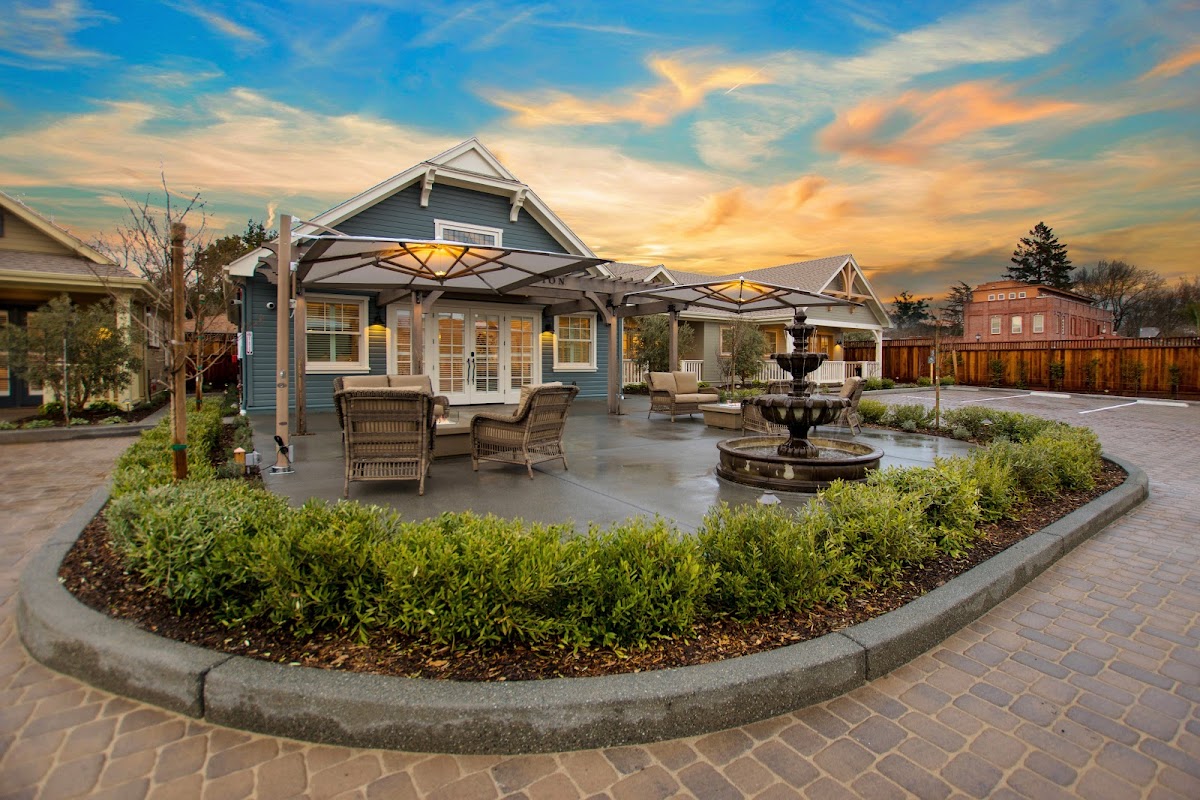 Hotel
HotelEight bungalows with gourmet kitchens sit a few minutes' walk from Sonoma Plaza.
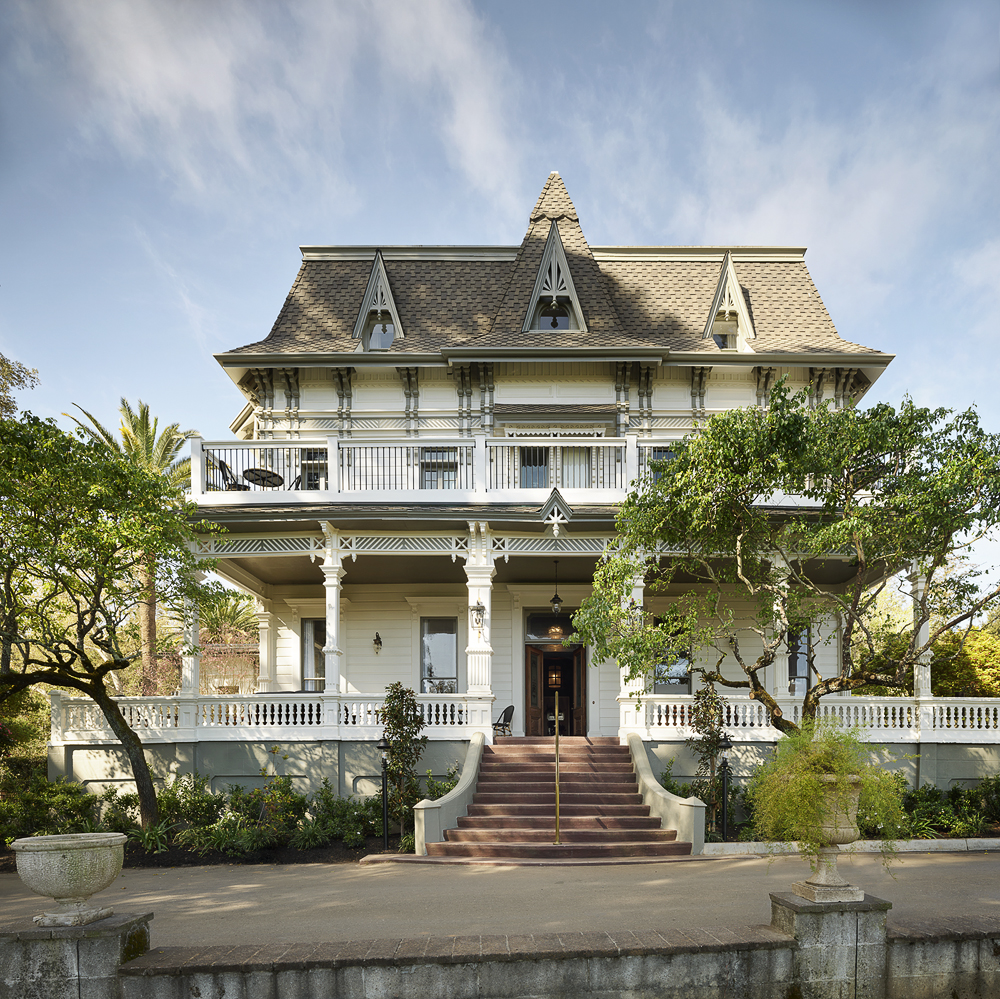 Hotel
HotelVictorian manor on eight acres, with private bungalows and porch views of western vineyards.
May through October. Sonoma's coastal influence keeps temperatures moderate year-round, making it enjoyable even in winter months.
$0 – $270 per tasting
46 wineries welcome dogs
45 family-friendly options
Stories, seasonal guides, and insider knowledge from wine country.
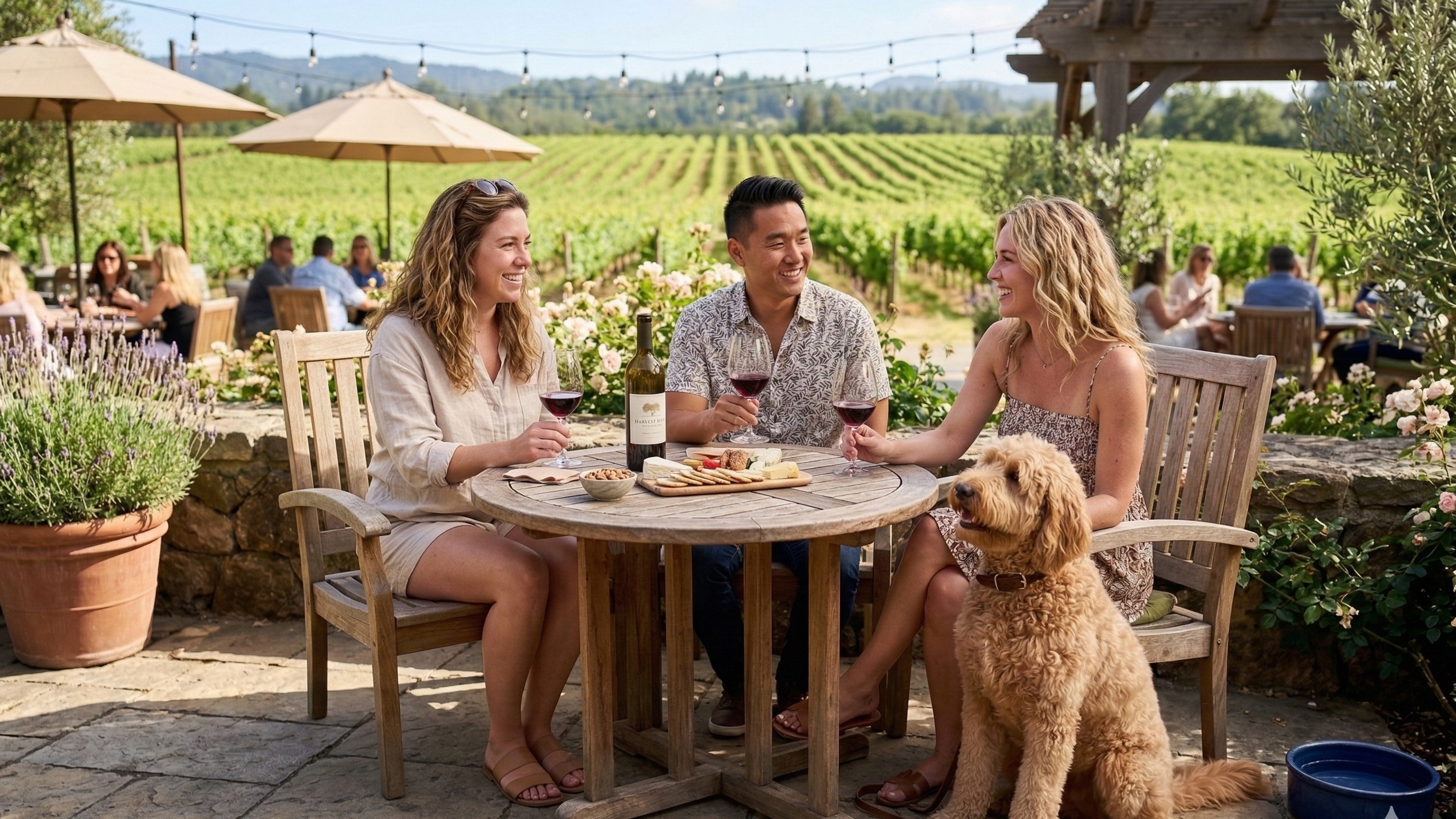
Where to stay with your dog in wine country — luxury resorts that provide beds and bowls, cozy Healdsburg and Calistoga inns, and glamping for the trail dog, plus the fee fine print.
Where to actually bring your dog wine tasting in Napa — resident golden retrievers, castle courtyards, picnic lawns, and hilltop patios, with the leash rules that matter.
Sonoma is dog country — the wineries that actually welcome your pup, from working farms in Dry Creek to historic lawns in Sonoma Valley, with the leash rules that matter.