Sonoma Valley AVA · Sonoma4.8 · 150
Hamel
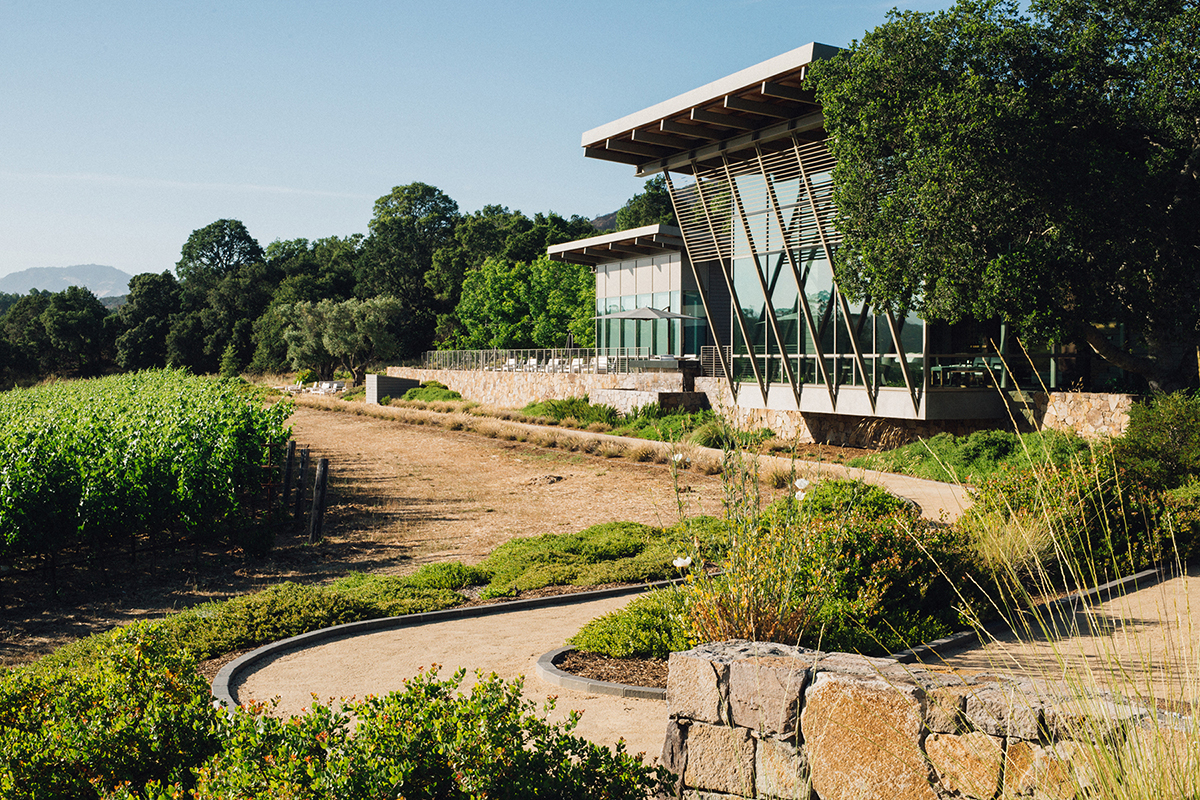
Hamel dry-farms volcanic hillside vineyards using certified Biodynamic practices.
Reservation
$$$From $95
Sonoma Valley is the birthplace of California's commercial wine industry, dating to the 1850s. Flanked by the Mayacamas and Sonoma mountain ranges, it produces diverse wines across approximately 14,000 vineyard acres. The historic town of Sonoma and Jack London's home in Glen Ellen add cultural depth beyond wine.
Sonoma Valley is where California winemaking began — the site of the state's first commercial winery and the historic 1857 Buena Vista estate. The valley runs north-south between the Sonoma and Mayacamas mountain ranges, creating a diverse range of elevations and exposures.
The town of Sonoma anchors the southern end with its charming plaza and tasting rooms, while Glen Ellen and Kenwood further north offer more rural, vineyard-centric experiences. More than 60 grape varieties thrive here, from Chardonnay and Pinot Noir in the cooler south to Cabernet Sauvignon on the mountain slopes.
The town of Sonoma is one of the few places in wine country where you can walk between tasting rooms, restaurants, and shops without driving. It's a great base for a relaxed wine country experience.
Chardonnay, Cabernet Sauvignon, Pinot Noir
Diverse valley-floor and hillside vineyards between two mountain ranges
Year-round; the historic town of Sonoma is enjoyable in every season
17 wineries to explore — sorted by rating, verified wineries first.
Hamel dry-farms volcanic hillside vineyards using certified Biodynamic practices.
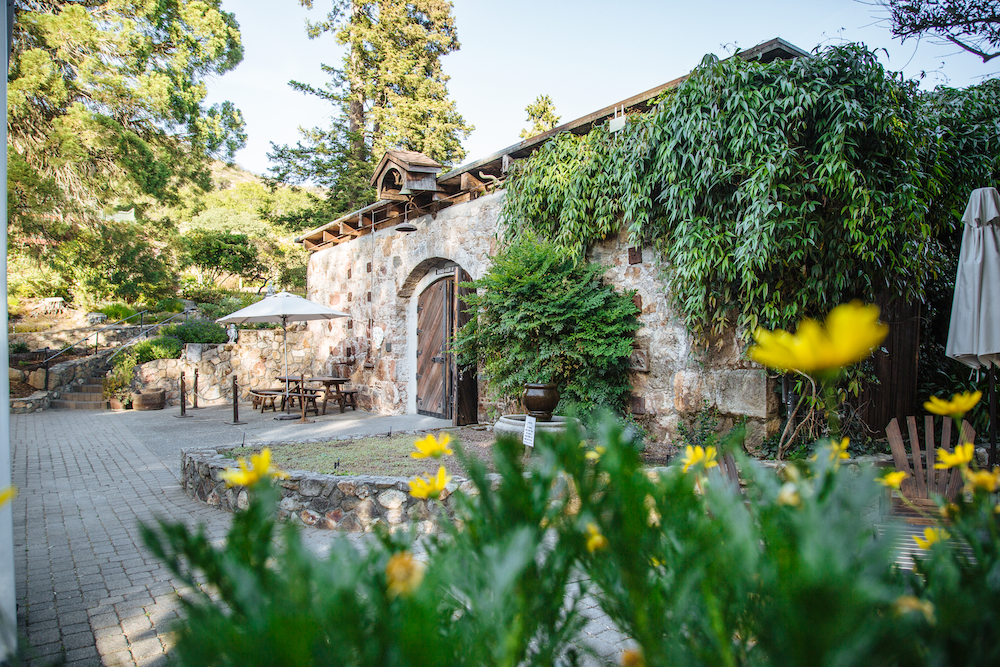
California's sixth-oldest winery, making wine continuously since 1858 on Rhinefarm.
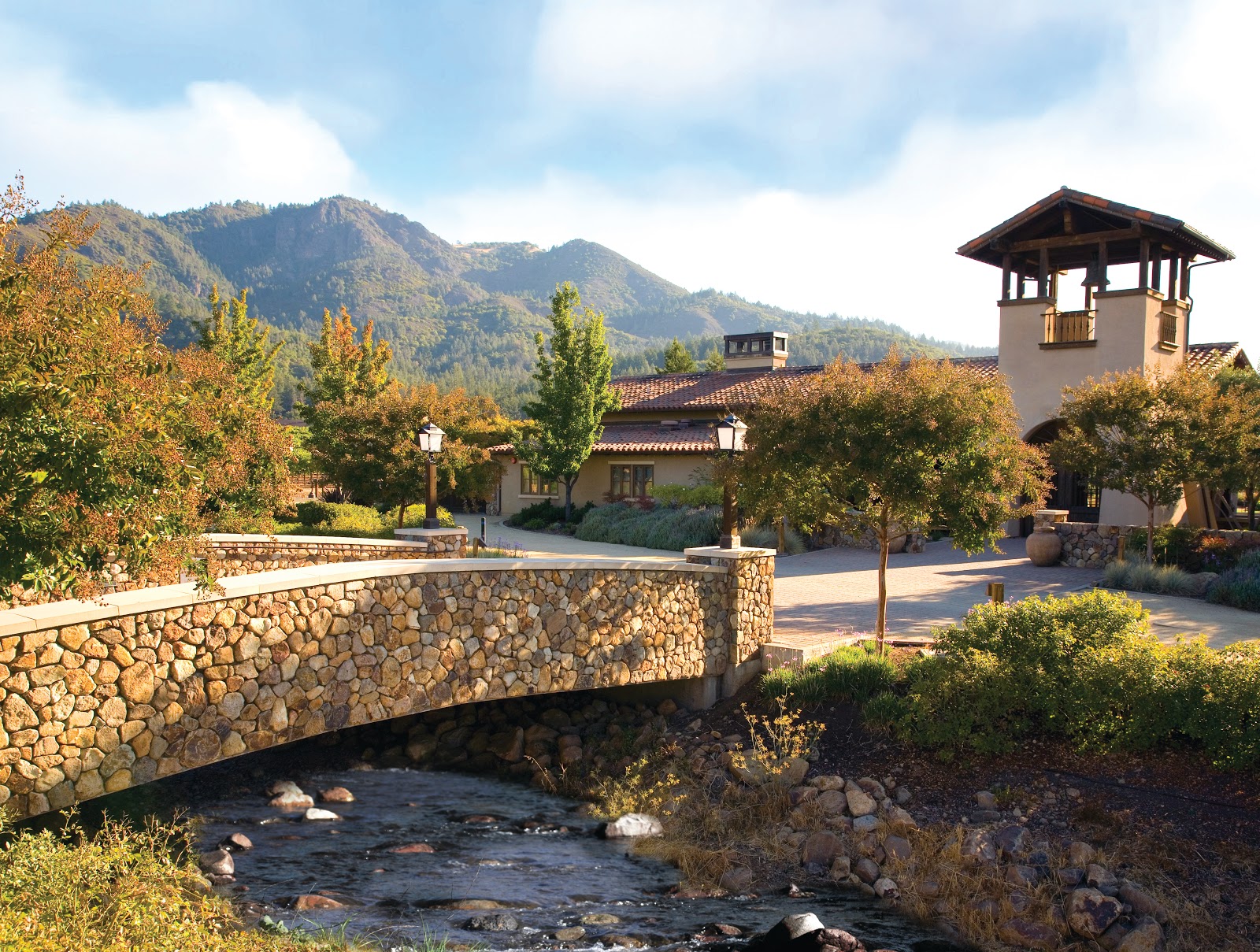
Joe Martin planted his first vines here in 1971, and St. Francis now farms over 400 certified sustainable acres.
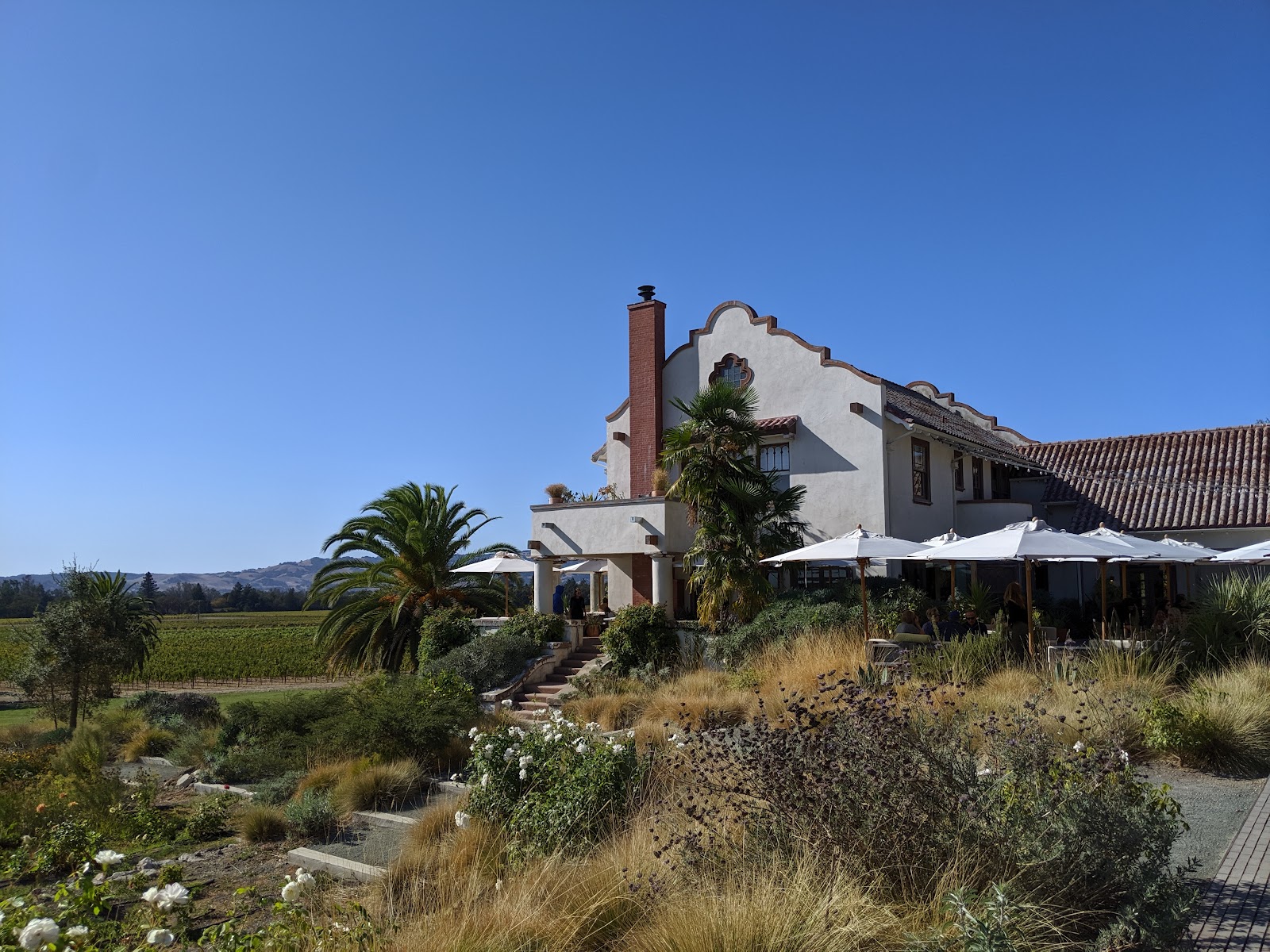
Andrew and Adam Mariani farm their family's original 1858 Sonoma land as Scribe Winery.
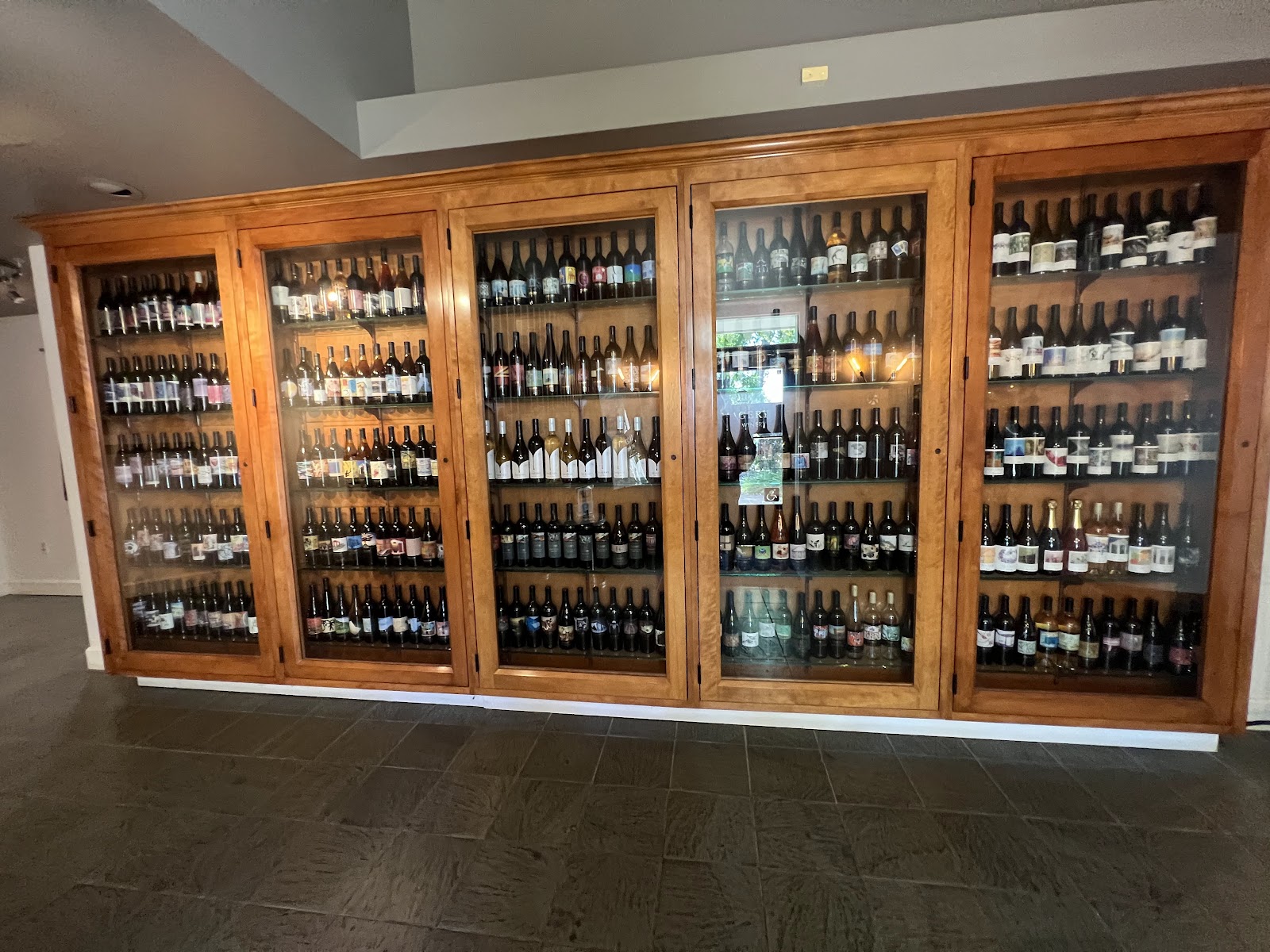
Imagery Estate Winery bottles Malbec, Tempranillo, and Lagrein instead of Cabernet.
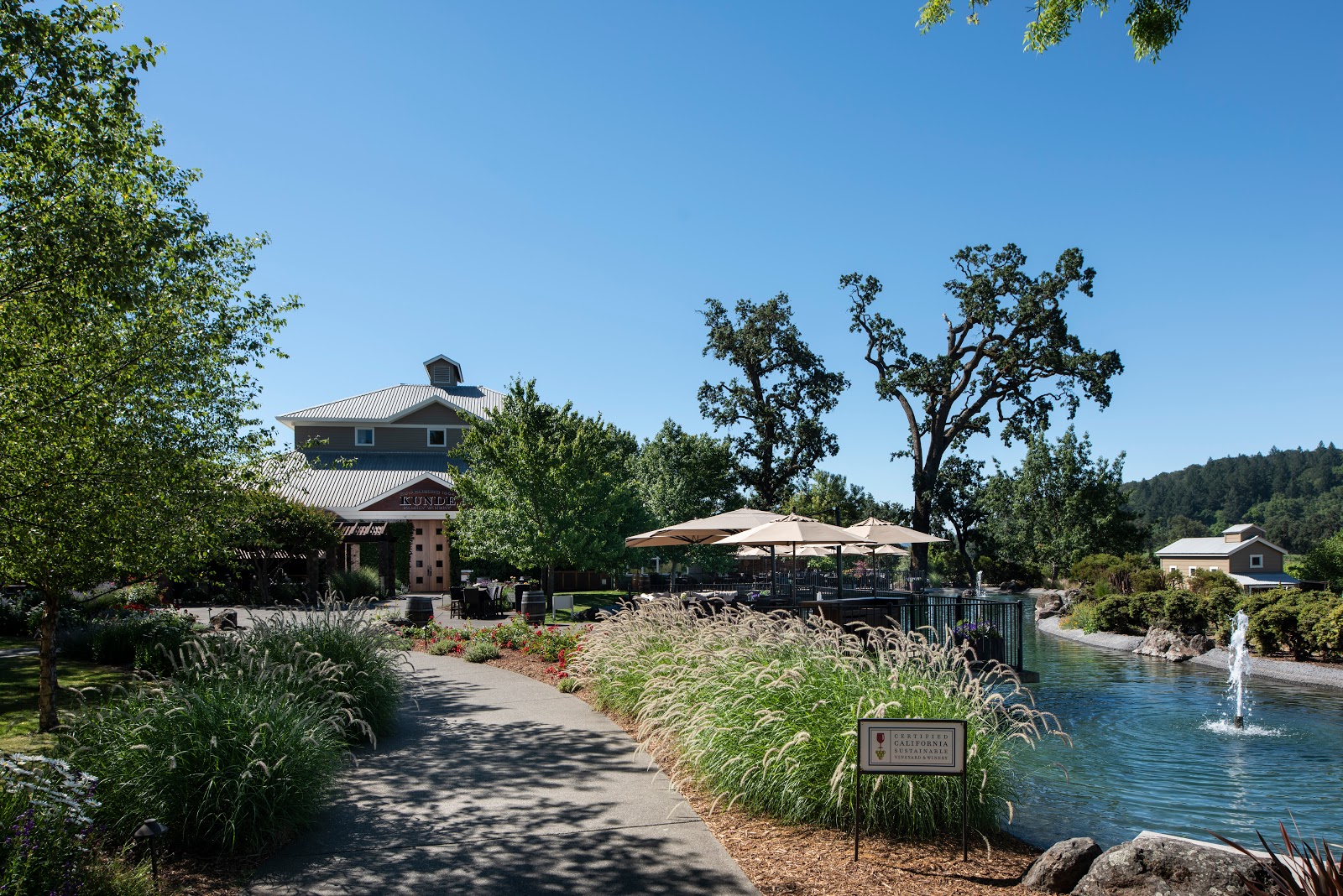
Five generations of Kundes farm 1,850 acres of estate vineyard in Kenwood.
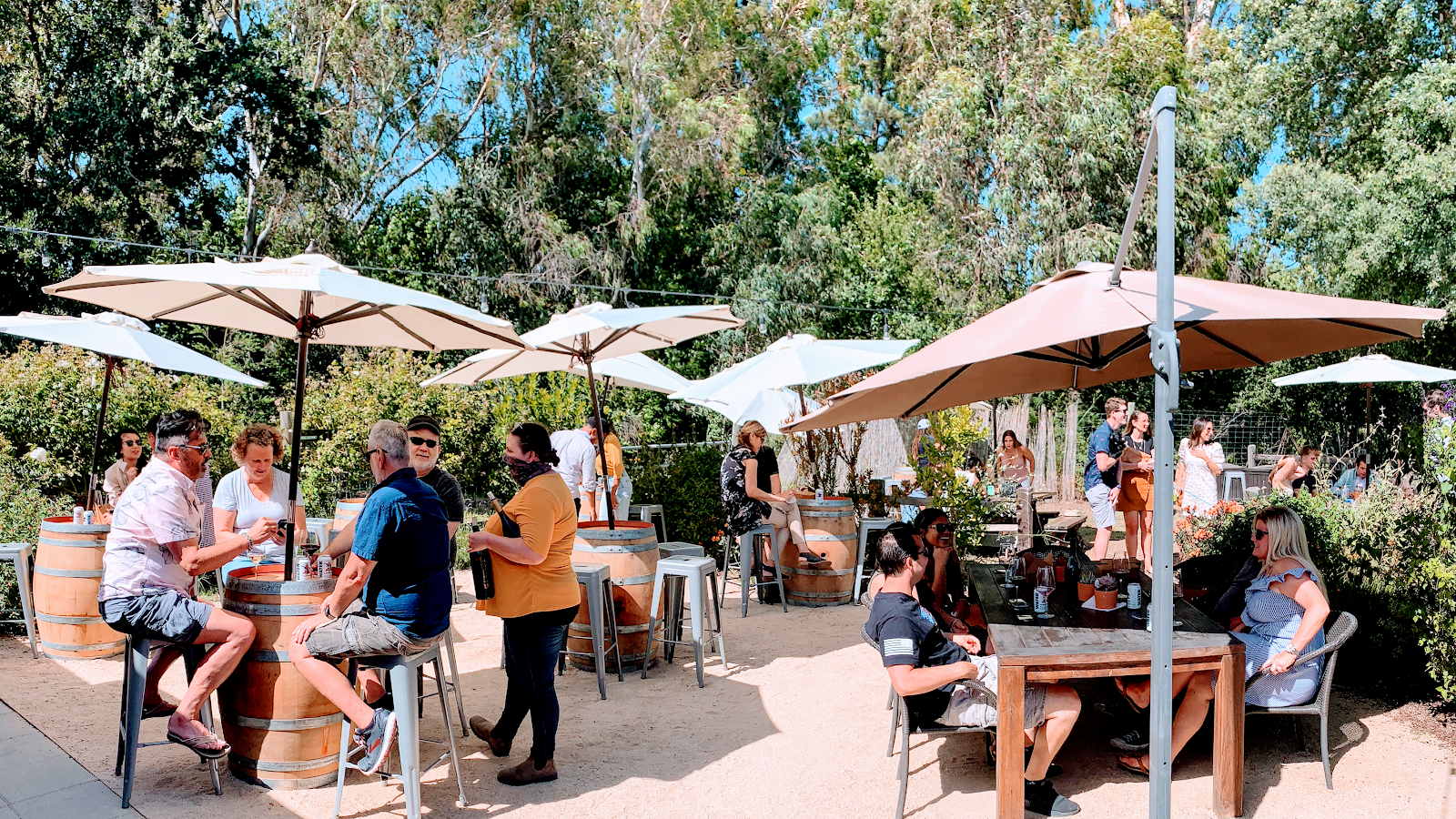
Tony Moll, former NFL player, co-founded this Sonoma winery in 2006 with two friends.
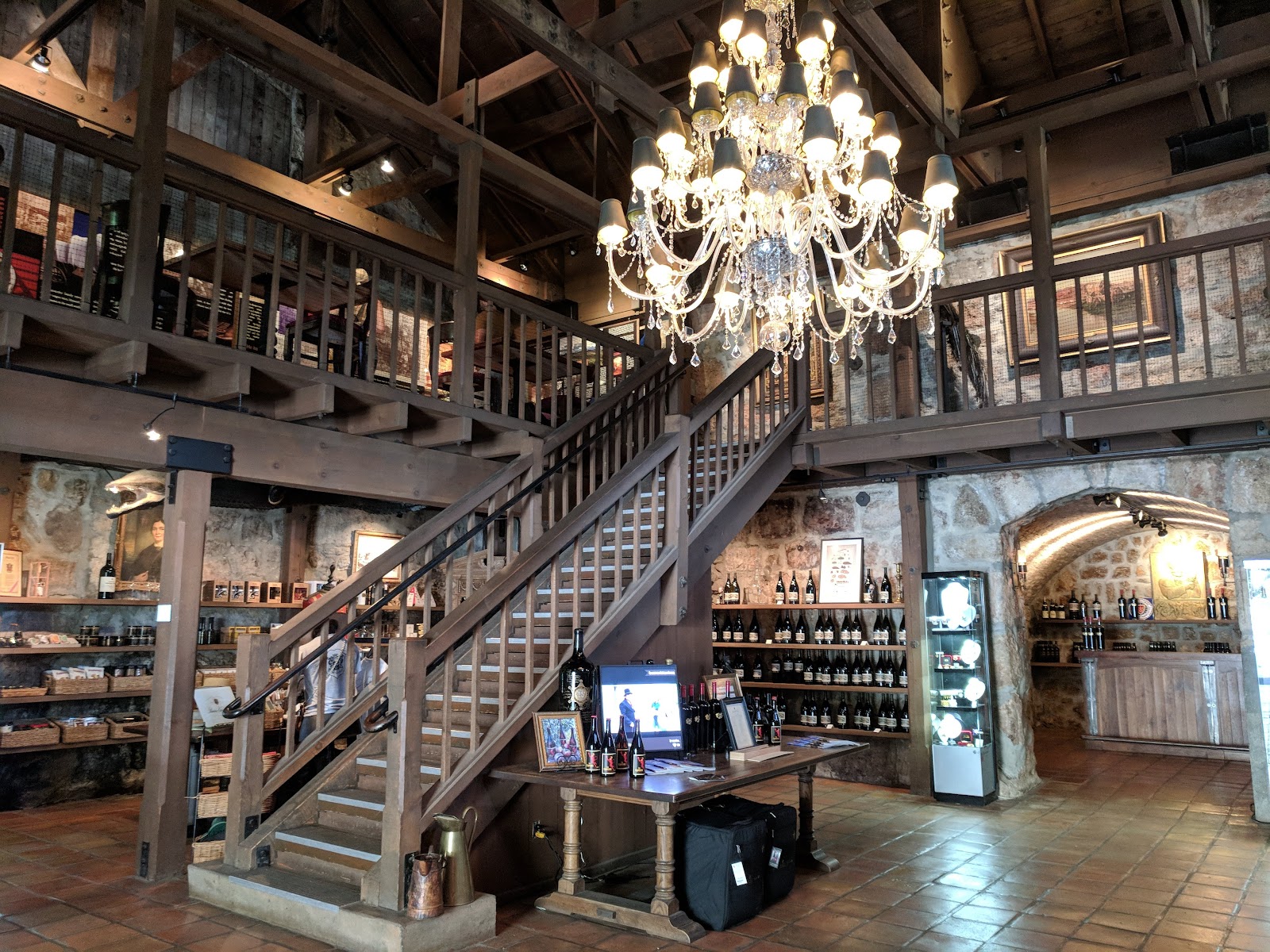
California's oldest premium winery, founded in 1857 by Count Agoston Haraszthy.
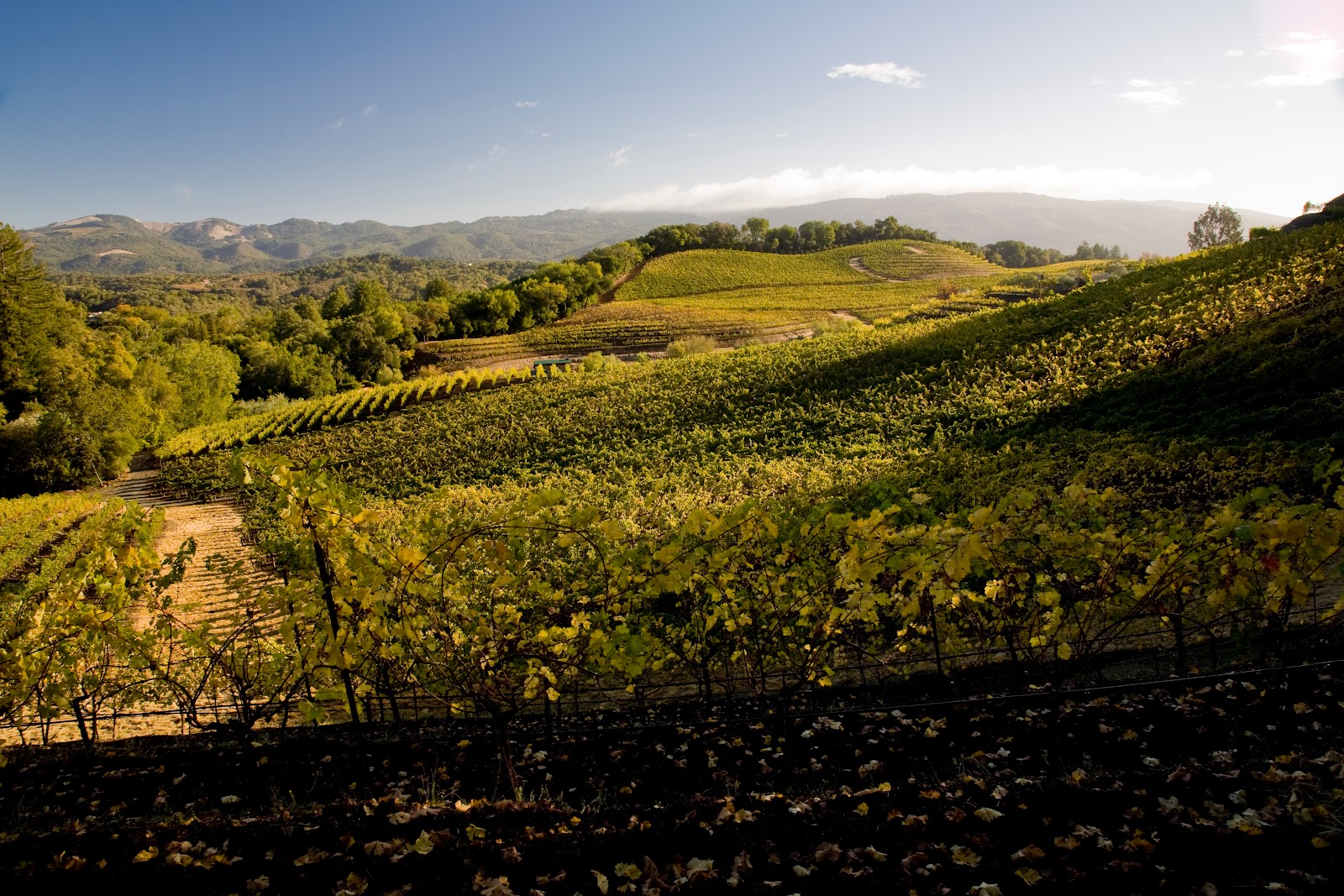
Benziger produced Sonoma County's first Demeter-certified Biodynamic wine in 1995.
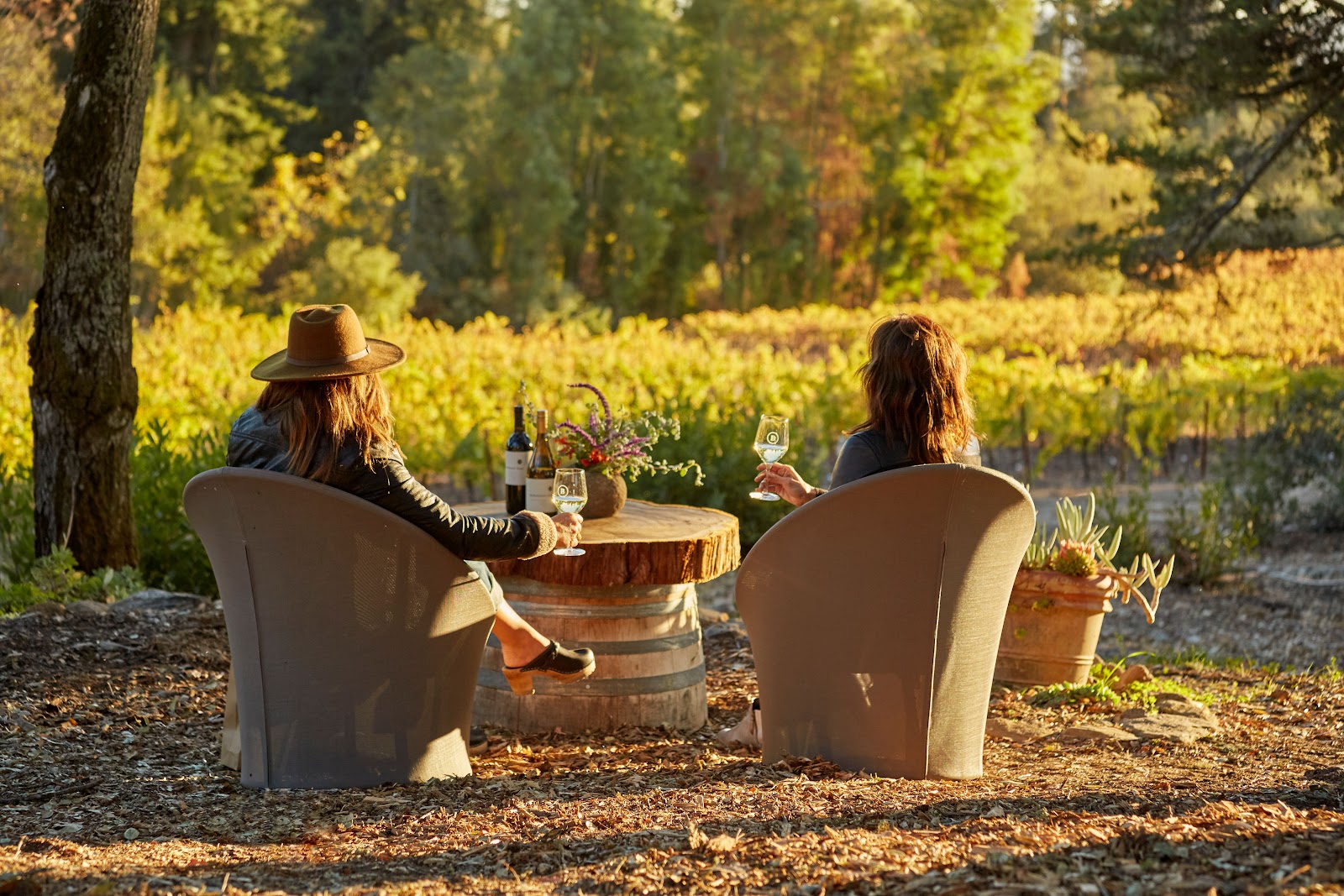
Bartholomew Park's 1922 mission-style building opened as a winery in April 2019 on Agoston Haraszthy's 1857 estate.
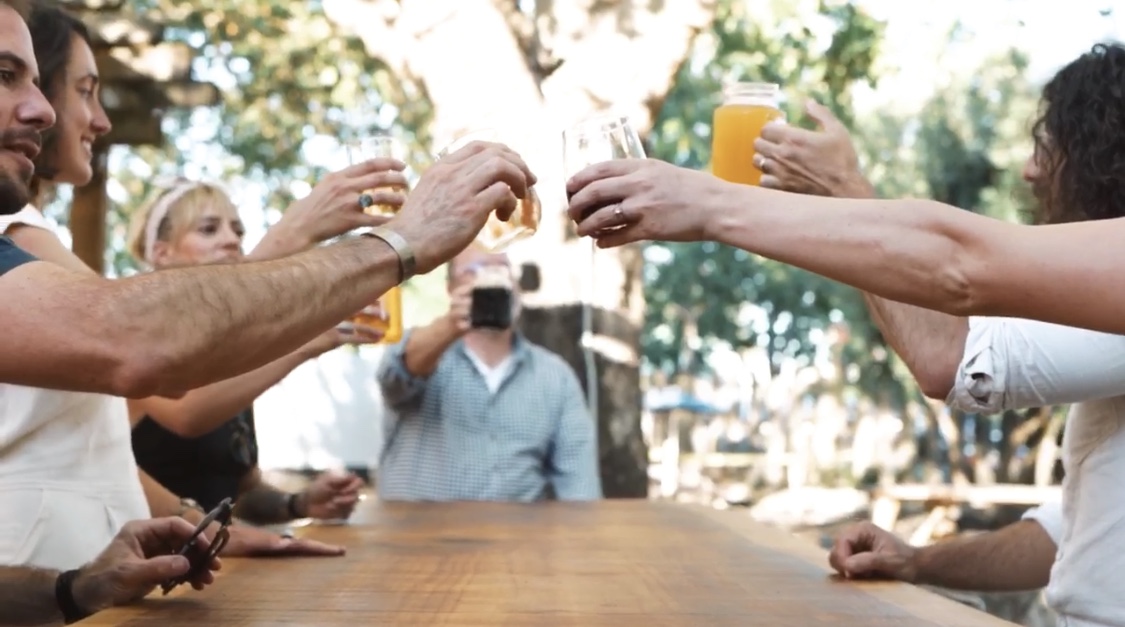
Jordan Kivelstadt sources organic grapes from historic California vineyards for minimal-intervention wines.
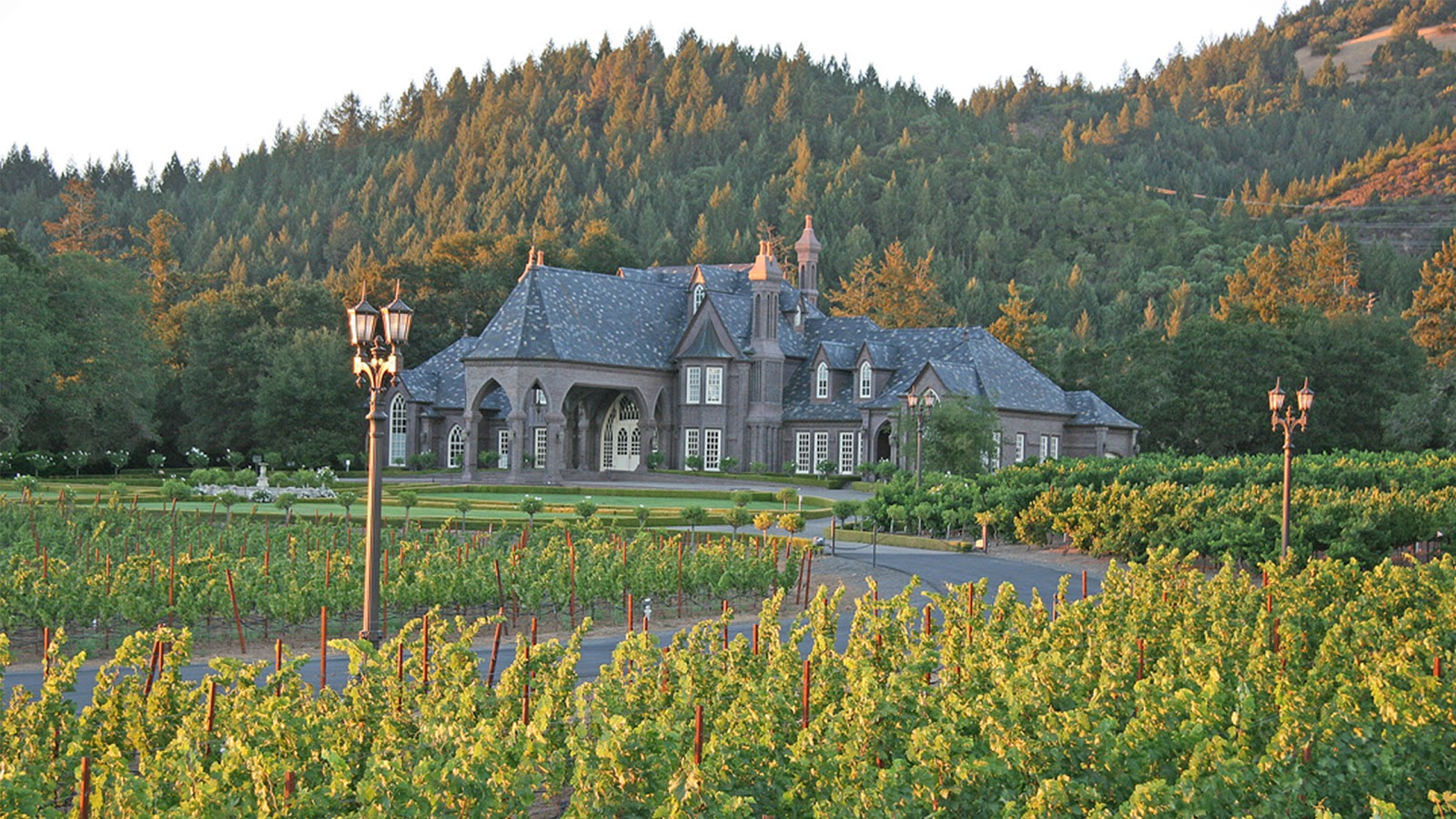
A Norman-style castle stands between Kenwood and Glen Ellen on Highway 12.
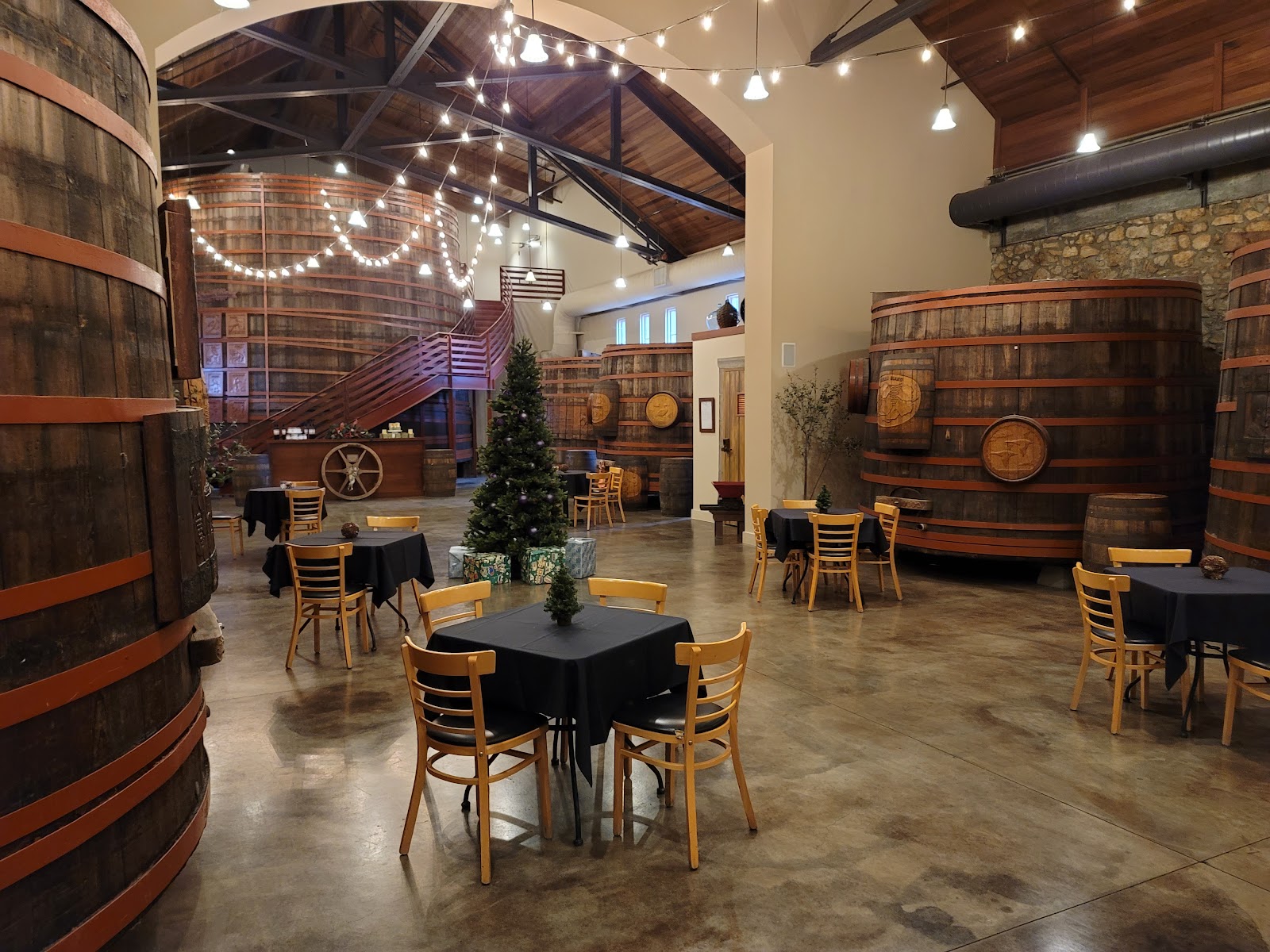
A 120-year-old Sonoma producer where antique redwood tanks still stand in the barrel room.
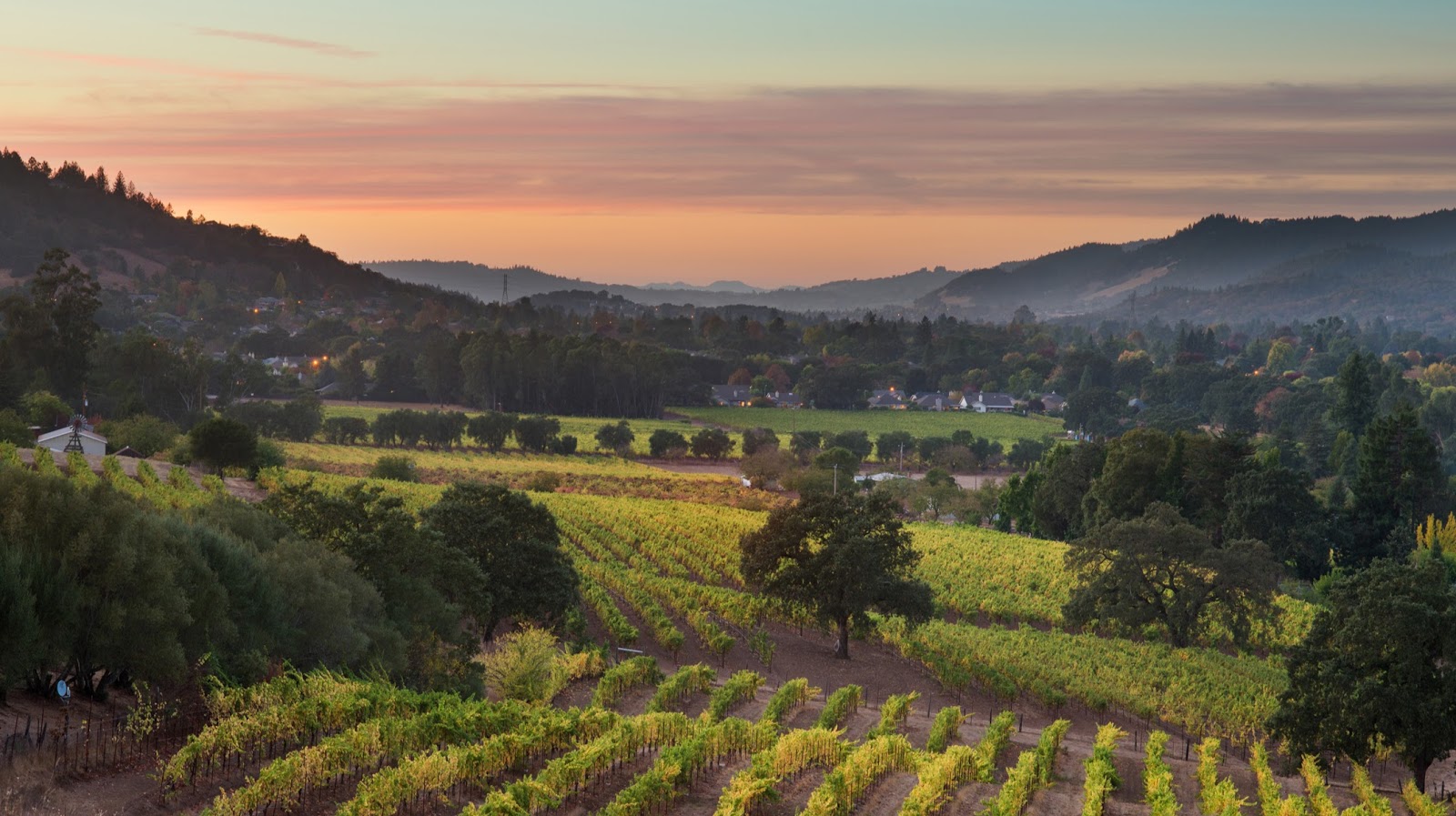
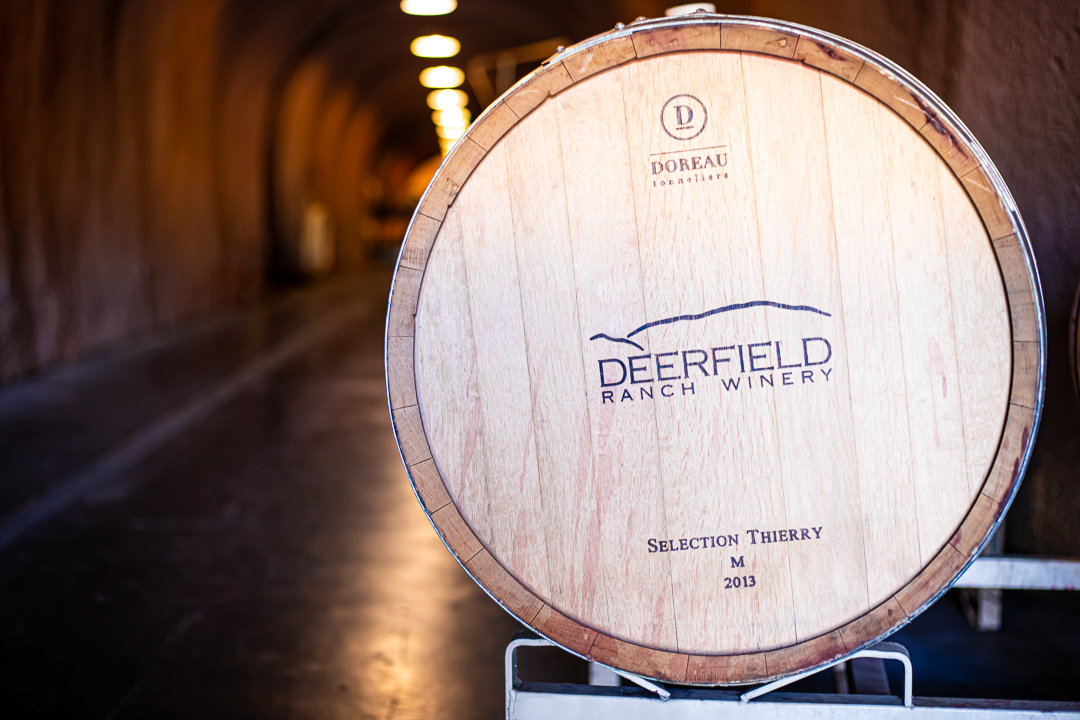
Damaris Deere Ford, great-great-granddaughter of steel plow inventor John Deere, founded this estate in 1974.
Robert and PJ Rex have been making wine here since 1972 and ferment with their CleanWine® process.
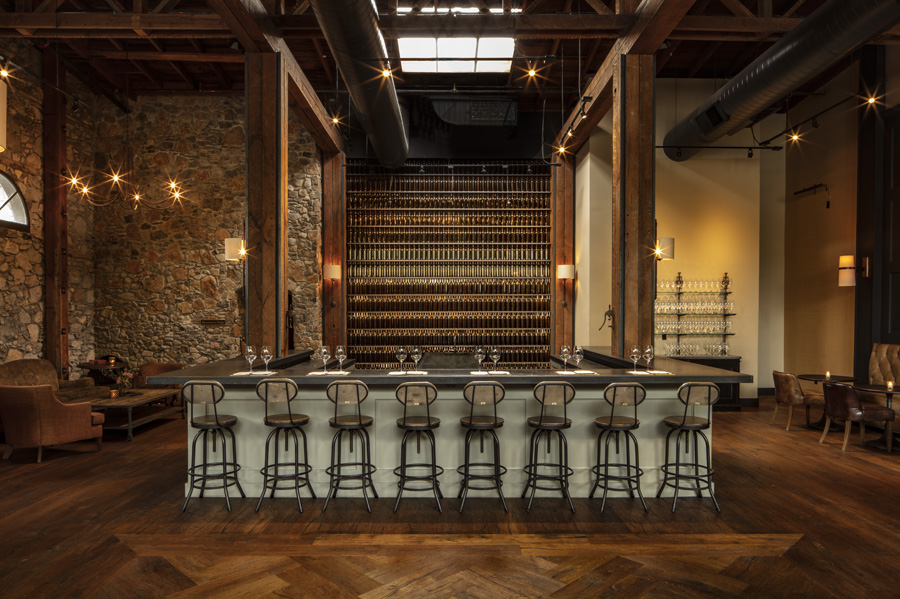
Winemaker Erich Bradley pours limited-production wines from heritage sites across Sonoma in a 1902 building on Sonoma Plaza.
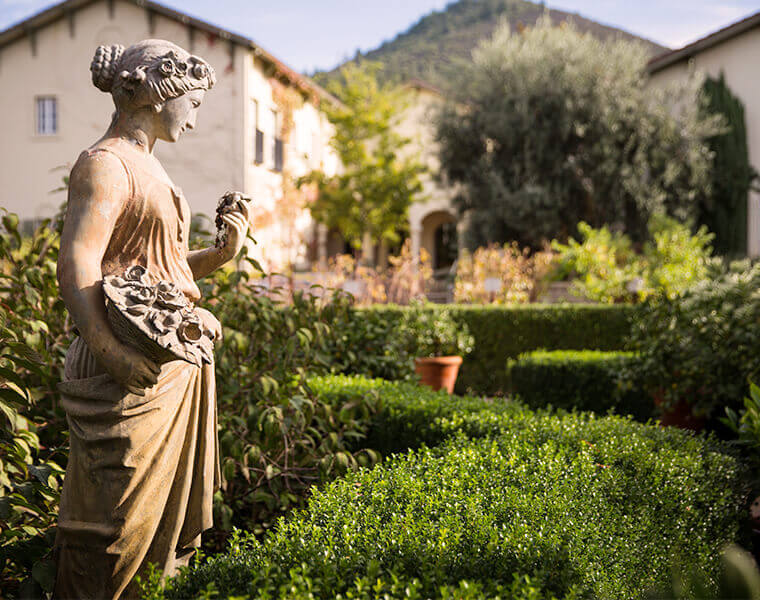
Cinq Cépages, their flagship blend, set the standard for Sonoma luxury bottlings since 1973.
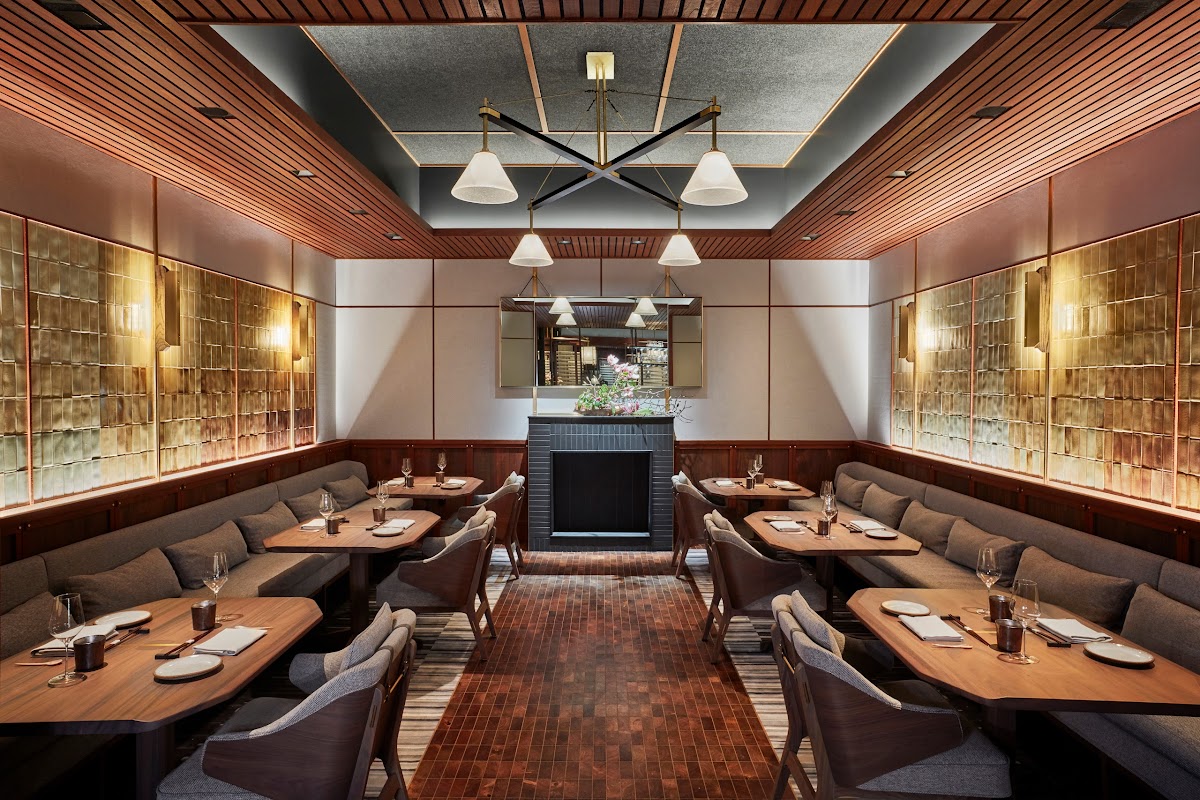 Inn
InnFive guest rooms above a three-Michelin-star restaurant in downtown Healdsburg.
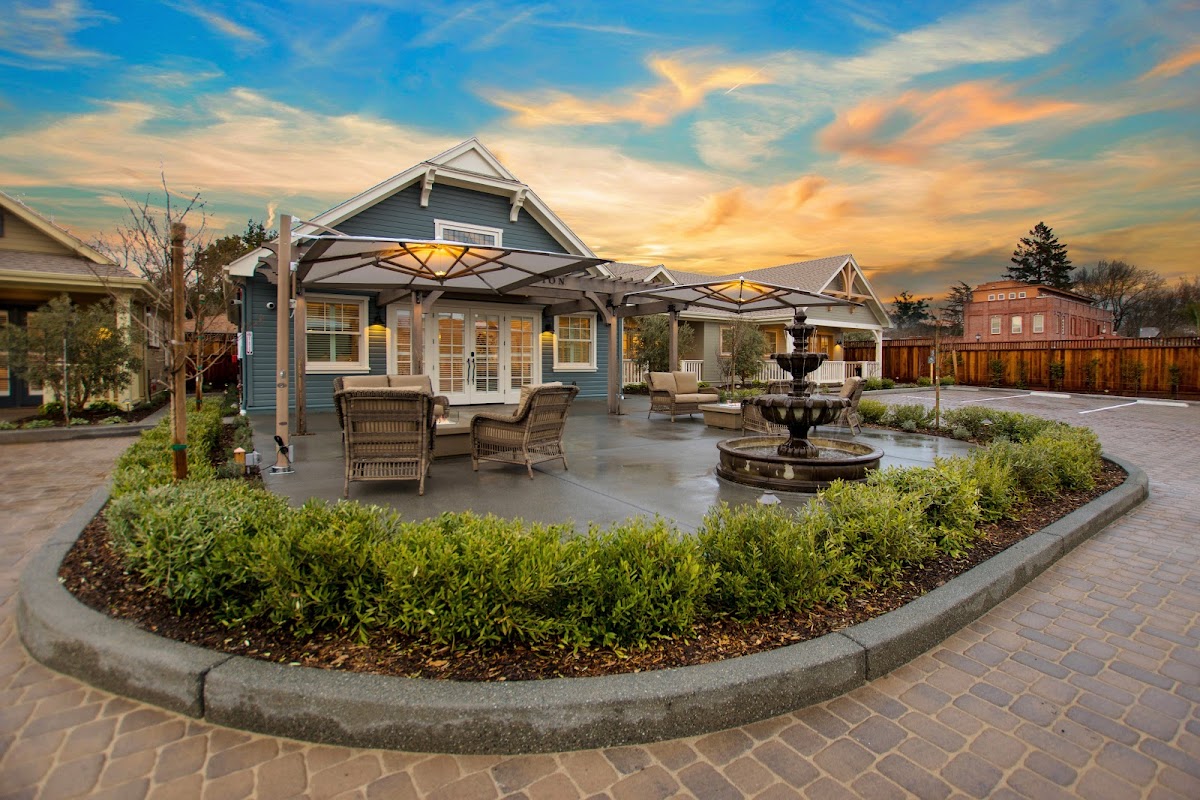 Hotel
HotelEight bungalows with gourmet kitchens sit a few minutes' walk from Sonoma Plaza.
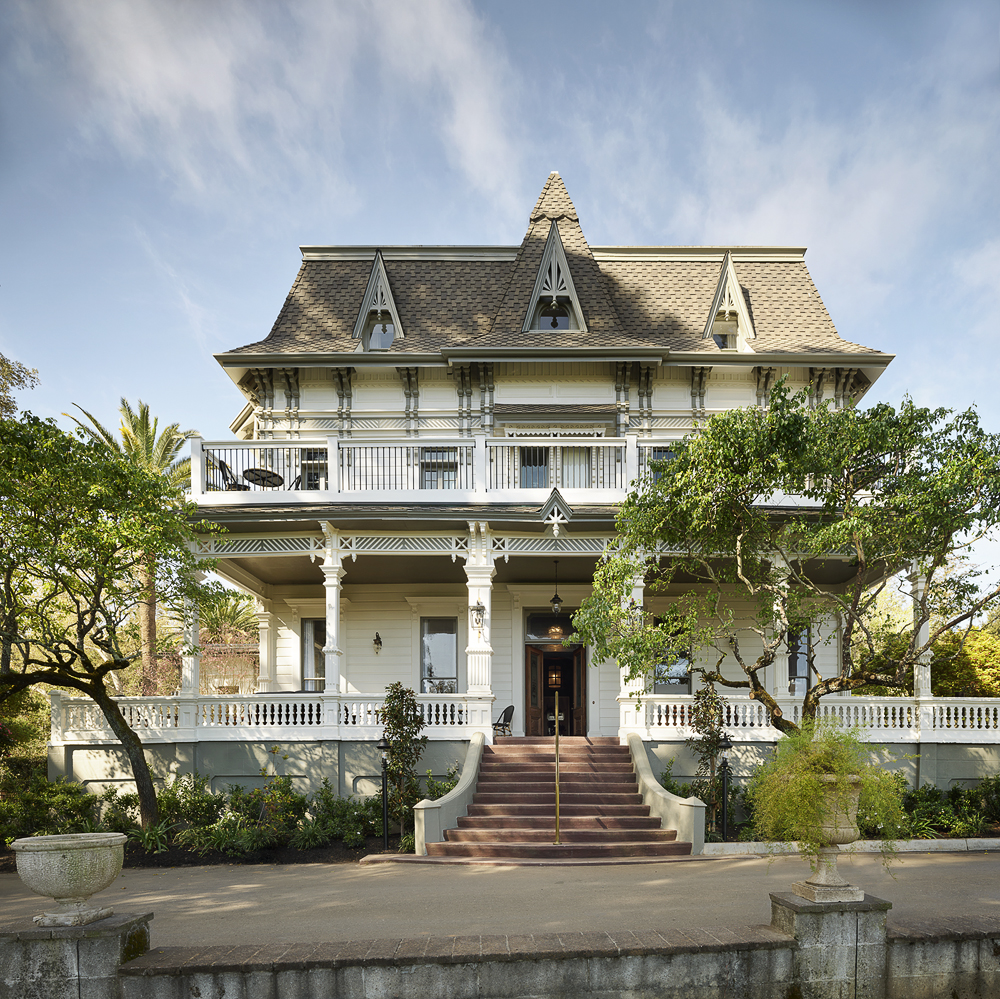 Hotel
HotelVictorian manor on eight acres, with private bungalows and porch views of western vineyards.
Discover neighboring regions, each with its own character and wines.
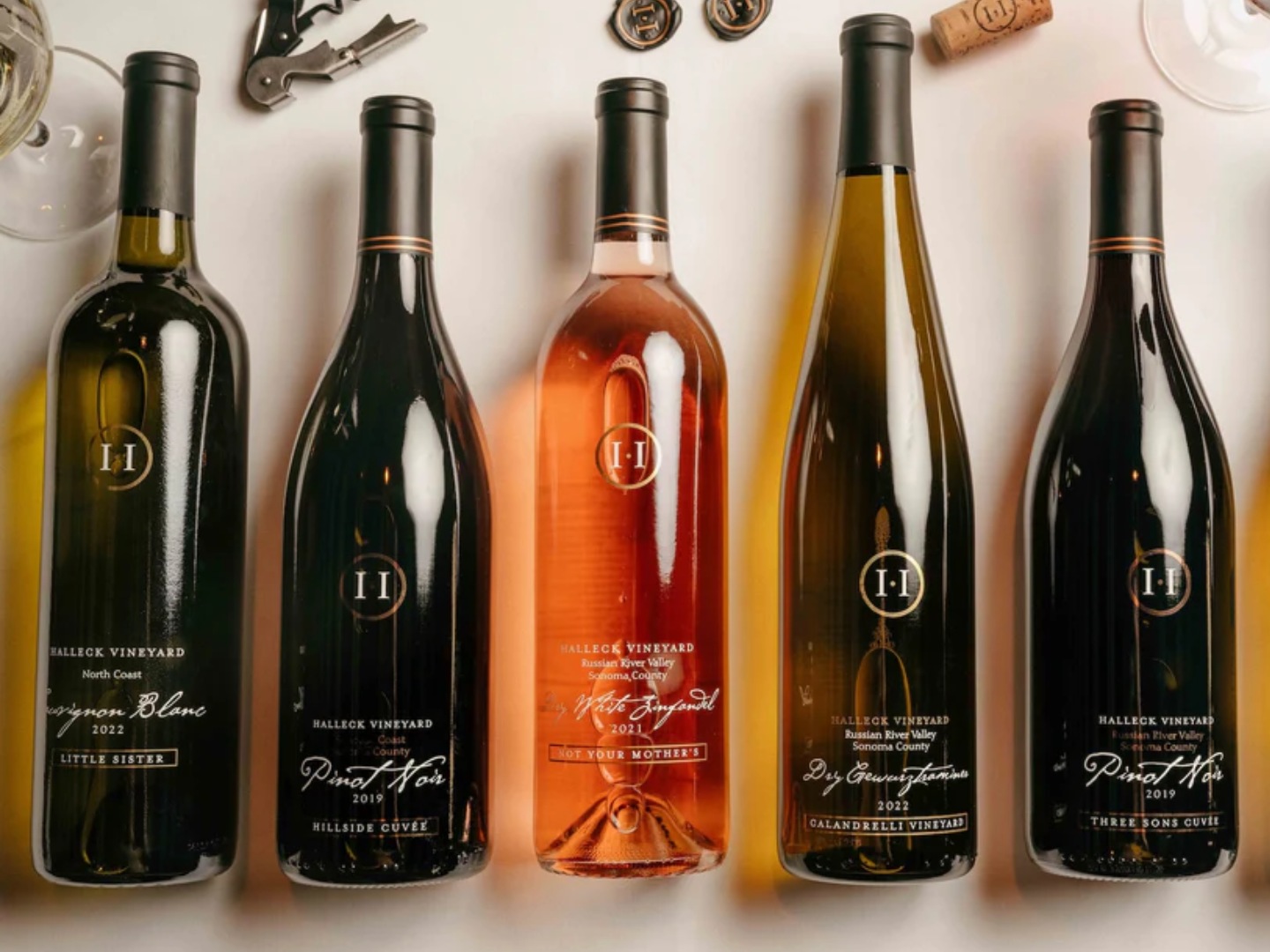
Russian River Valley is one of California's premier cool-climate wine regions, best known for world-class Pinot Noir and Chardonnay. Pacific fog rolls through a gap in the coastal mountains each morning, creating ideal conditions for these varieties. Beyond wine, the region offers redwood forests, river recreation, and small-town charm.
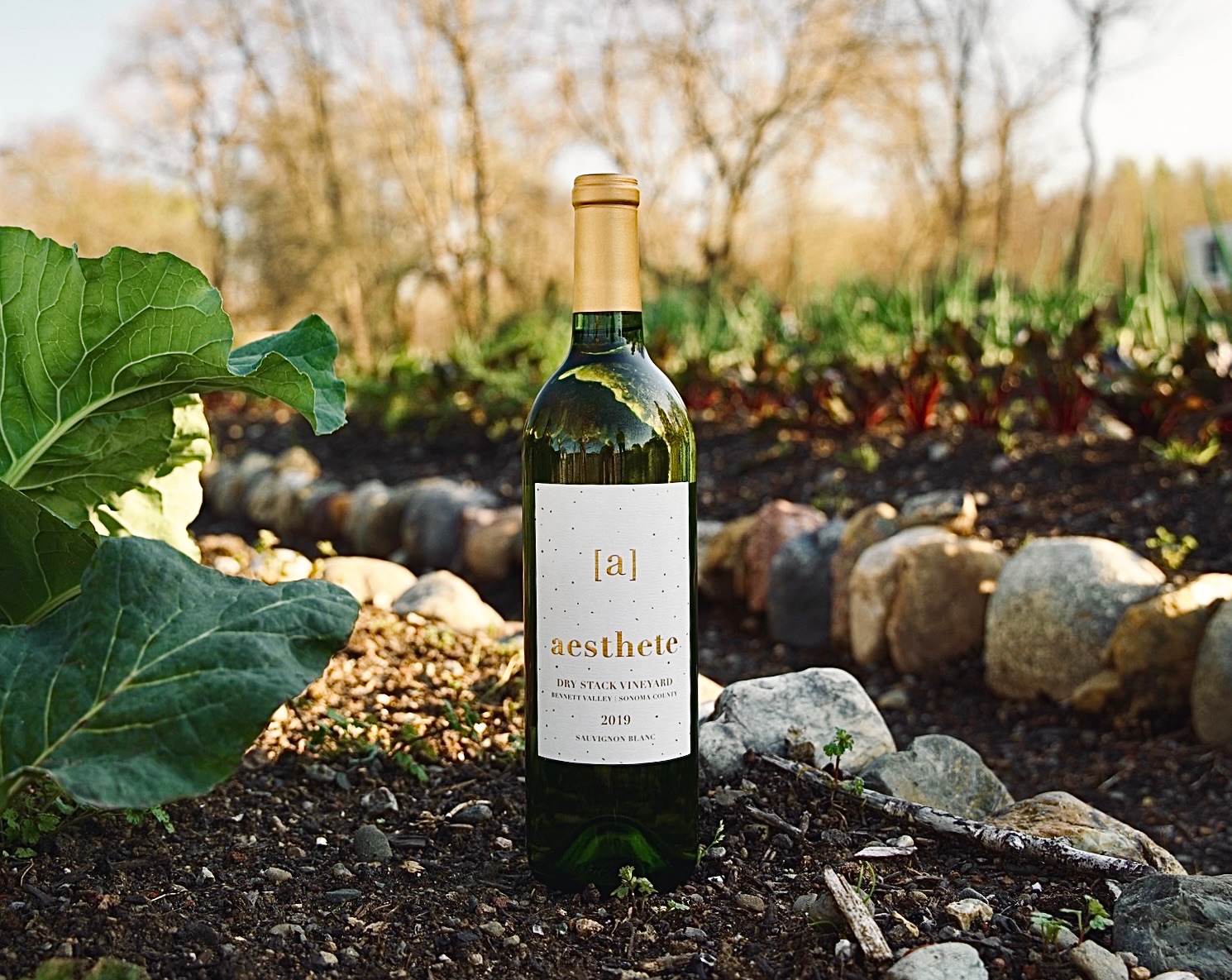
Dry Creek Valley is Sonoma's Zinfandel heartland, with old-vine blocks that survived Prohibition still producing today. The compact 16-by-2-mile valley has a Bordeaux-like climate and remains refreshingly rural — family-owned wineries, no traffic lights, and the Dry Creek General Store (est. 1881) as its unofficial center.
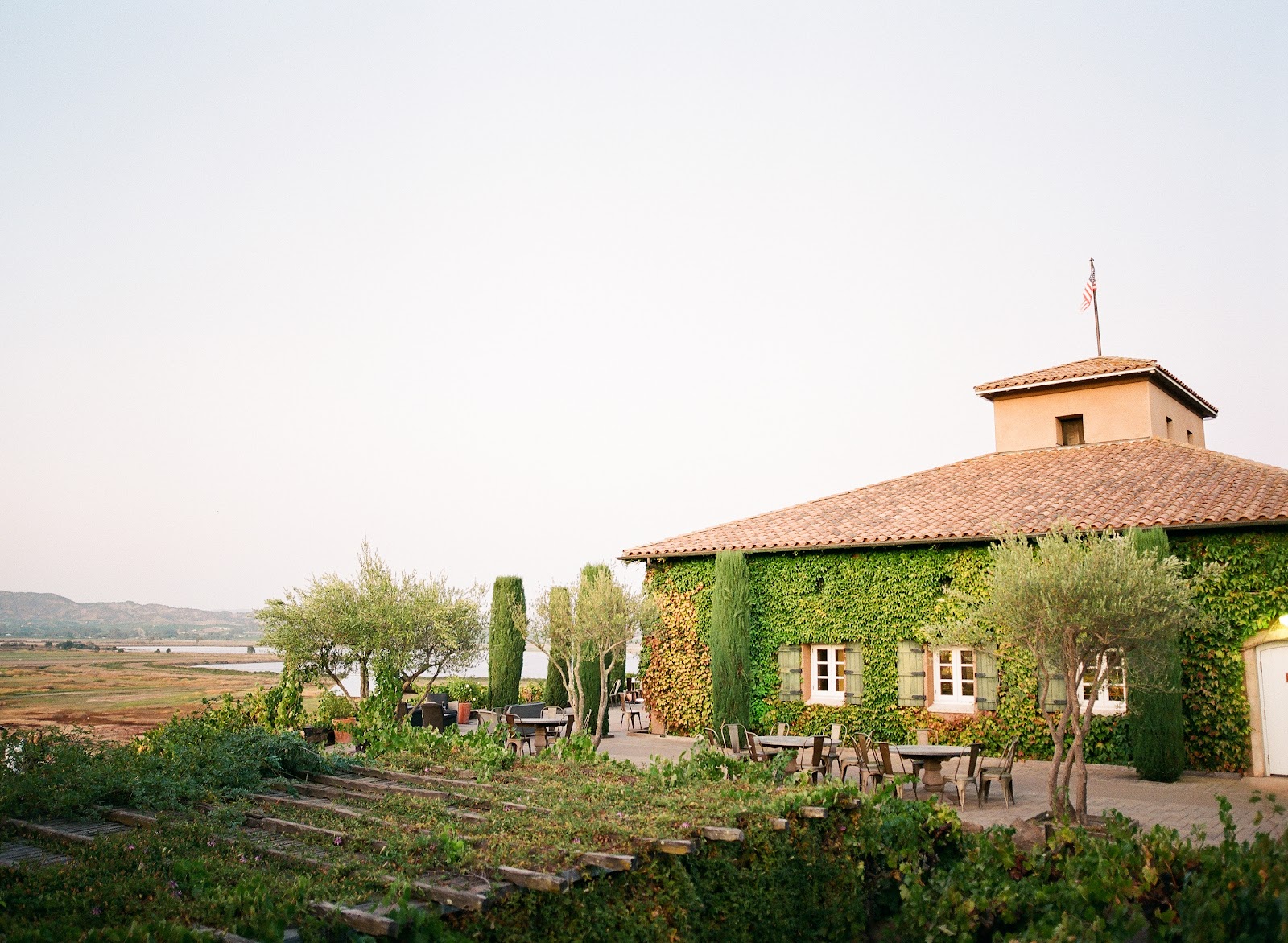
Carneros straddles the Sonoma-Napa border and is defined by the cooling influence of San Pablo Bay, making it ideal for Pinot Noir and Chardonnay in both still and sparkling wines. It's the closest Sonoma wine region to San Francisco and home to iconic sparkling houses and world-class art.
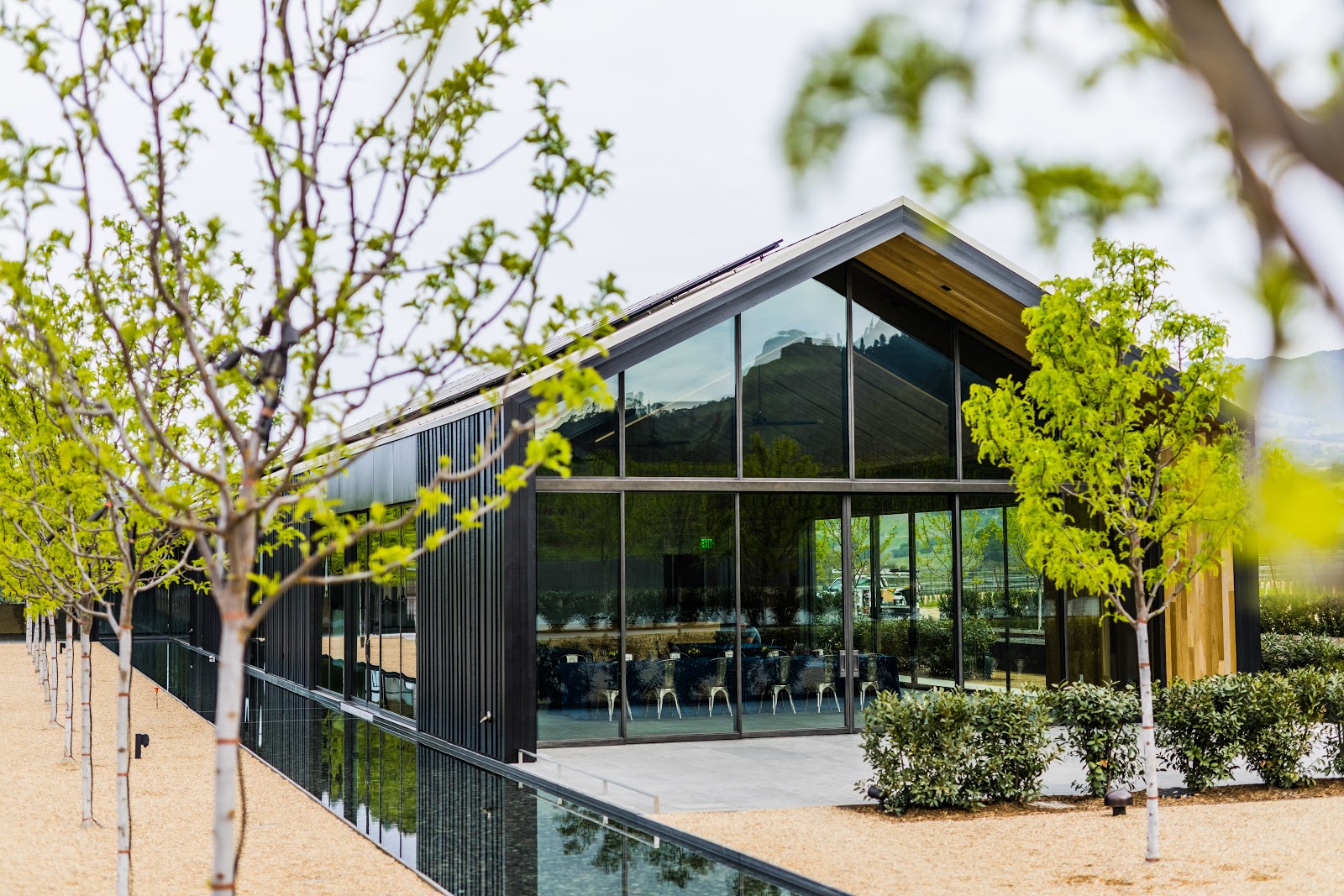
Alexander Valley grows all five classic Bordeaux varietals across 15,000 acres along a 25-mile stretch of the Russian River. With only 33 wineries, it offers an unhurried agricultural experience — Sonoma's answer to Napa's Cabernet country, but with significantly fewer crowds and lower tasting fees.