Stags Leap District · Napa4.9 · 699
Baldacci Family Vineyards
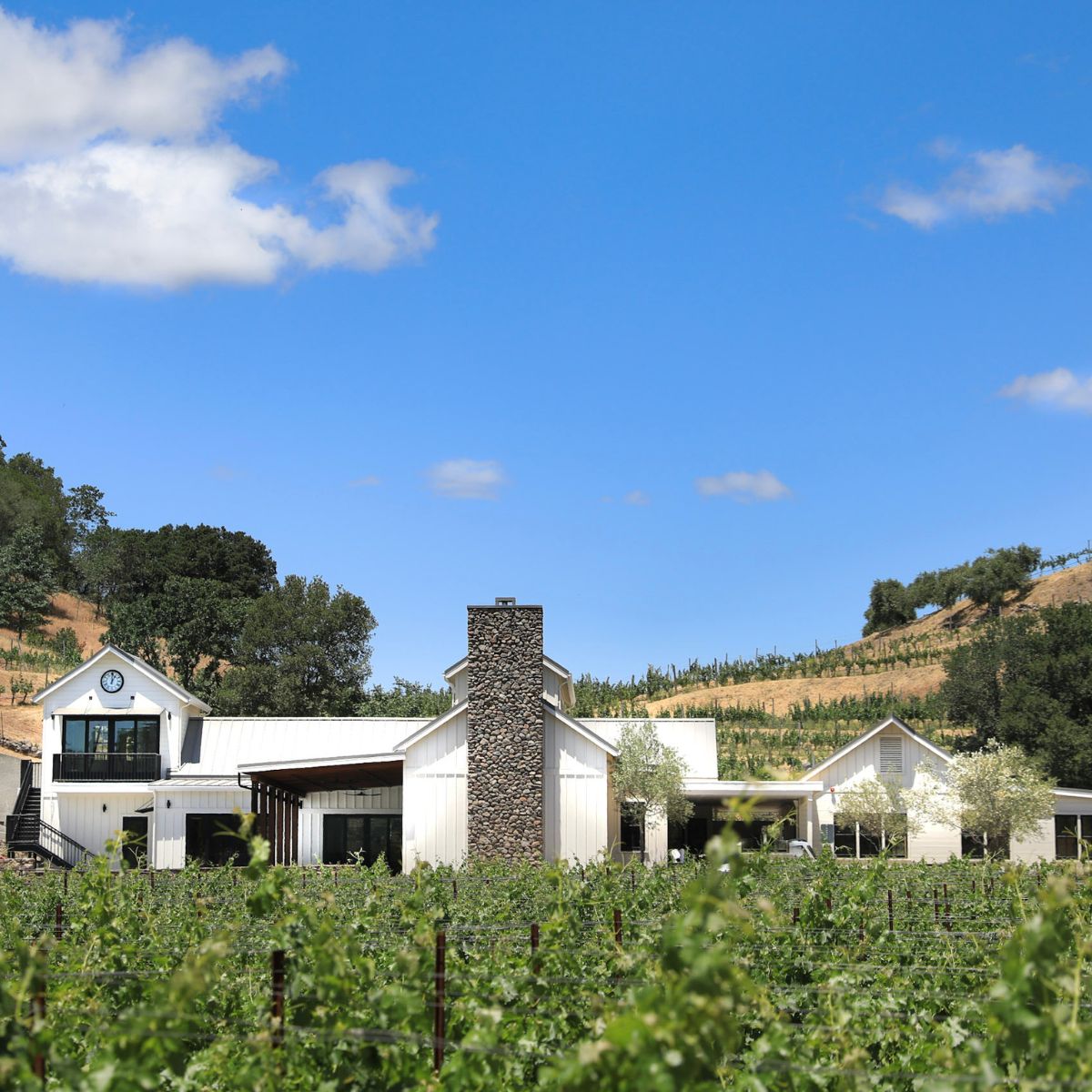
Michael Baldacci pours his family's Black Label Cabernet Sauvignon in a private tasting room.
Reservation
$$$From $85
Stags Leap District is where Napa Valley changed world wine history — the 1973 Stag's Leap Wine Cellars Cabernet Sauvignon won the 1976 Judgment of Paris against top Bordeaux. This tiny appellation (3 miles by 1 mile) was the first US AVA designated based on distinct soil qualities.
Stags Leap District earned its place in wine history when its Cabernet Sauvignon triumphed at the legendary 1976 Judgment of Paris, forever changing the global perception of California wine. Today, the district continues to produce some of the most elegant and age-worthy Cabernets in Napa Valley.
Tucked into a pocket on the eastern side of the valley, the district is defined by dramatic volcanic palisades that trap afternoon heat while allowing cool evening breezes to flow through. This unique geography produces Cabernets known for their silky tannins and distinctive cherry-iron character.
Afternoon breezes from San Pablo Bay create a wind tunnel through the palisades that actually slows photosynthesis, extending the growing season and giving Stags Leap Cabernets their signature silky, polished tannins.
Cabernet Sauvignon, Merlot
Volcanic and alluvial soils in a sheltered eastern valley pocket with distinctive microclimate
Spring through fall; dramatic palisade views year-round
12 wineries to explore — sorted by rating, verified wineries first.
Michael Baldacci pours his family's Black Label Cabernet Sauvignon in a private tasting room.
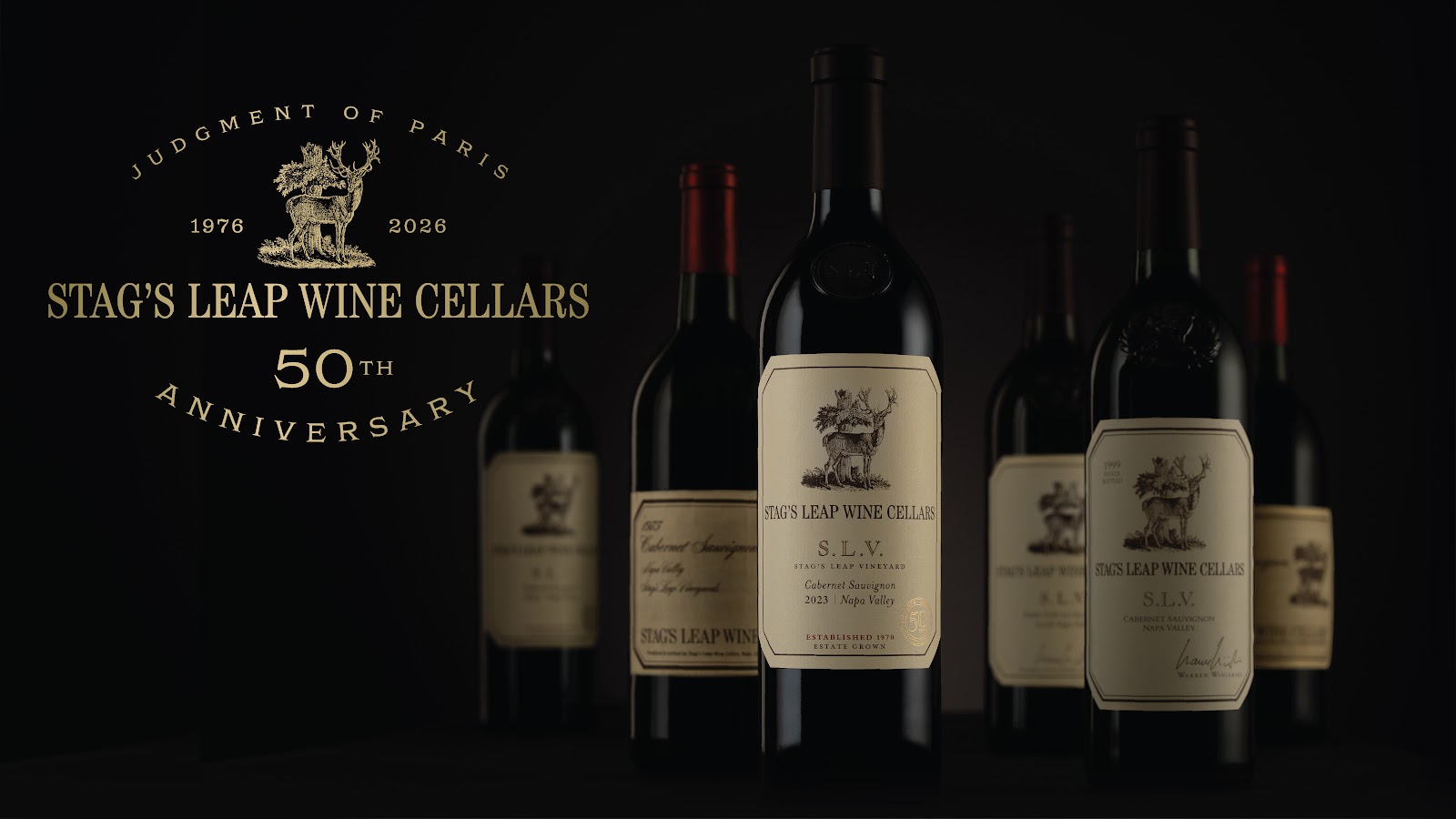
The 1973 S.L.V. Cabernet Sauvignon won the Judgment of Paris in 1976.
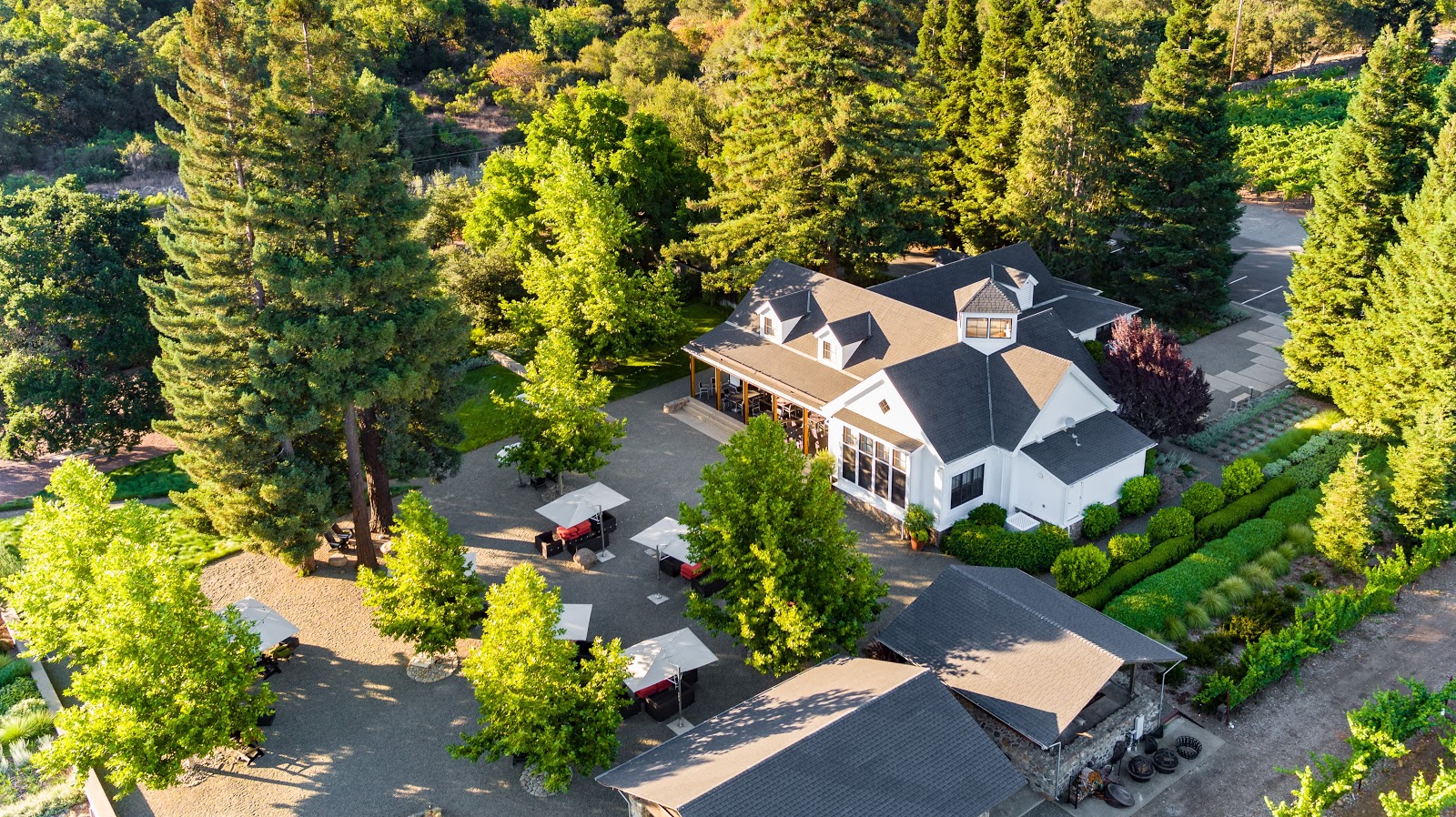
Napa Valley's only winery devoted entirely to red blends, founded in 1994 by Dan and Margaret Duckhorn.
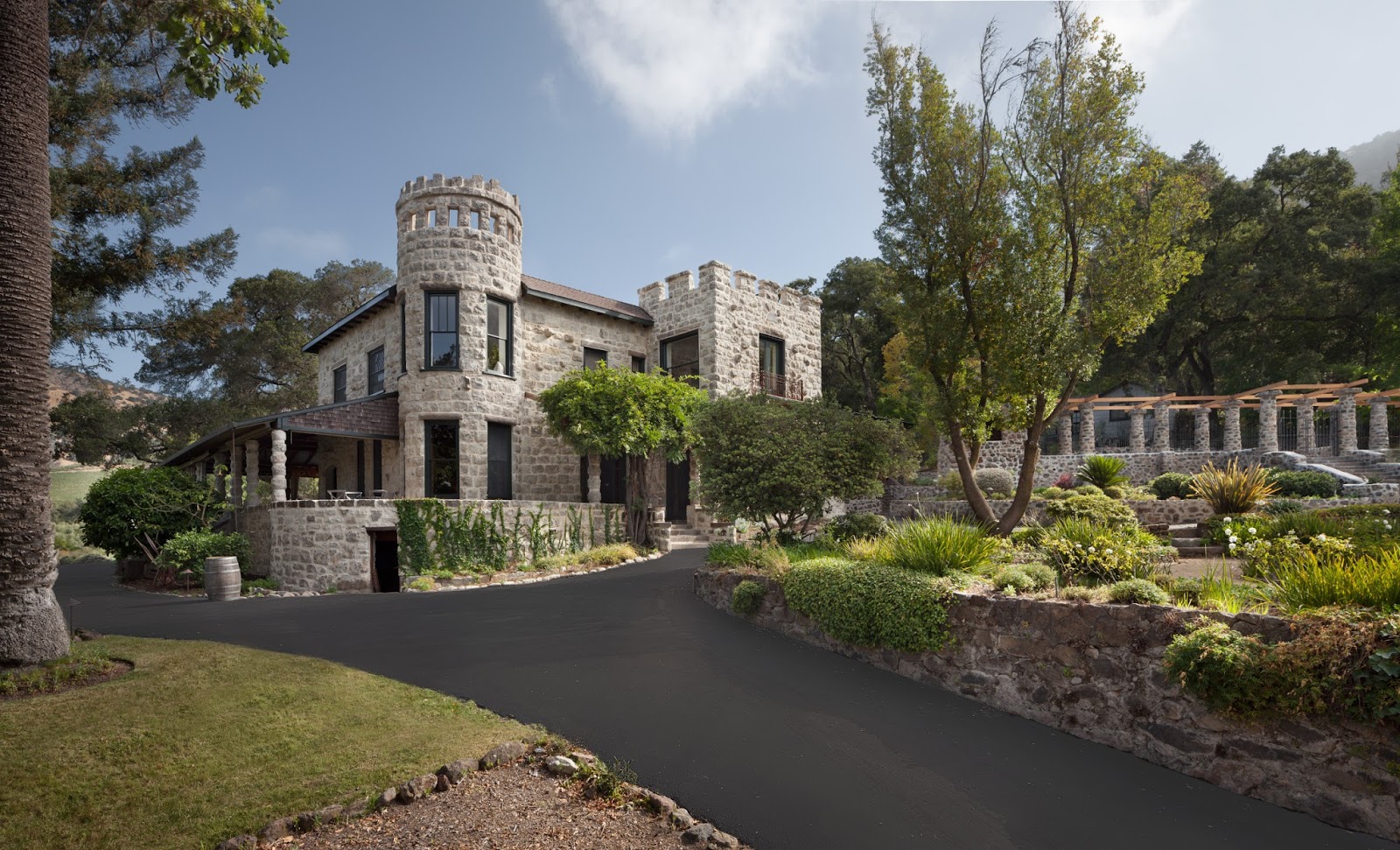
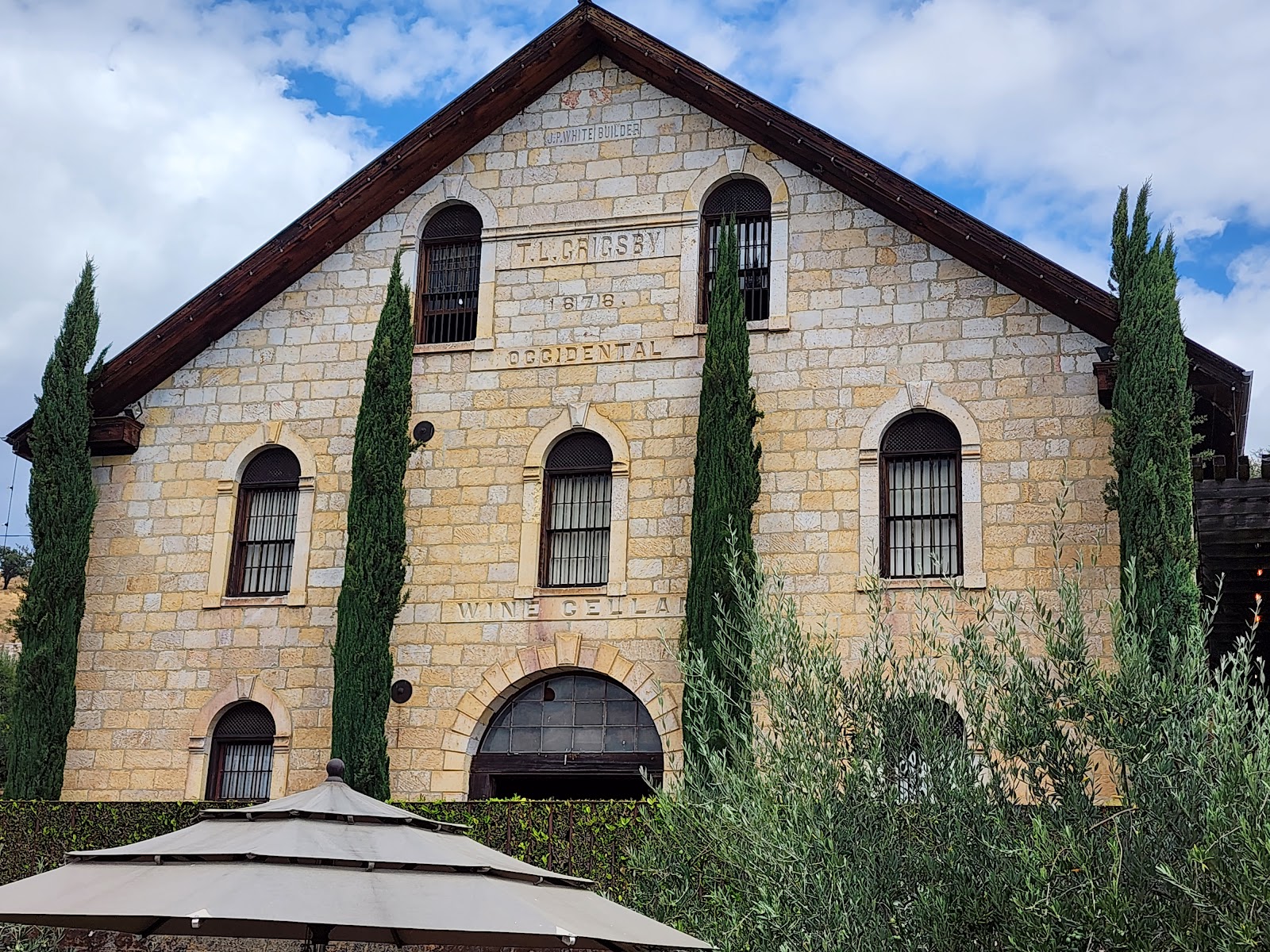
The Grigsby family planted this estate in 1872, and Petite Sirah remains a signature today.
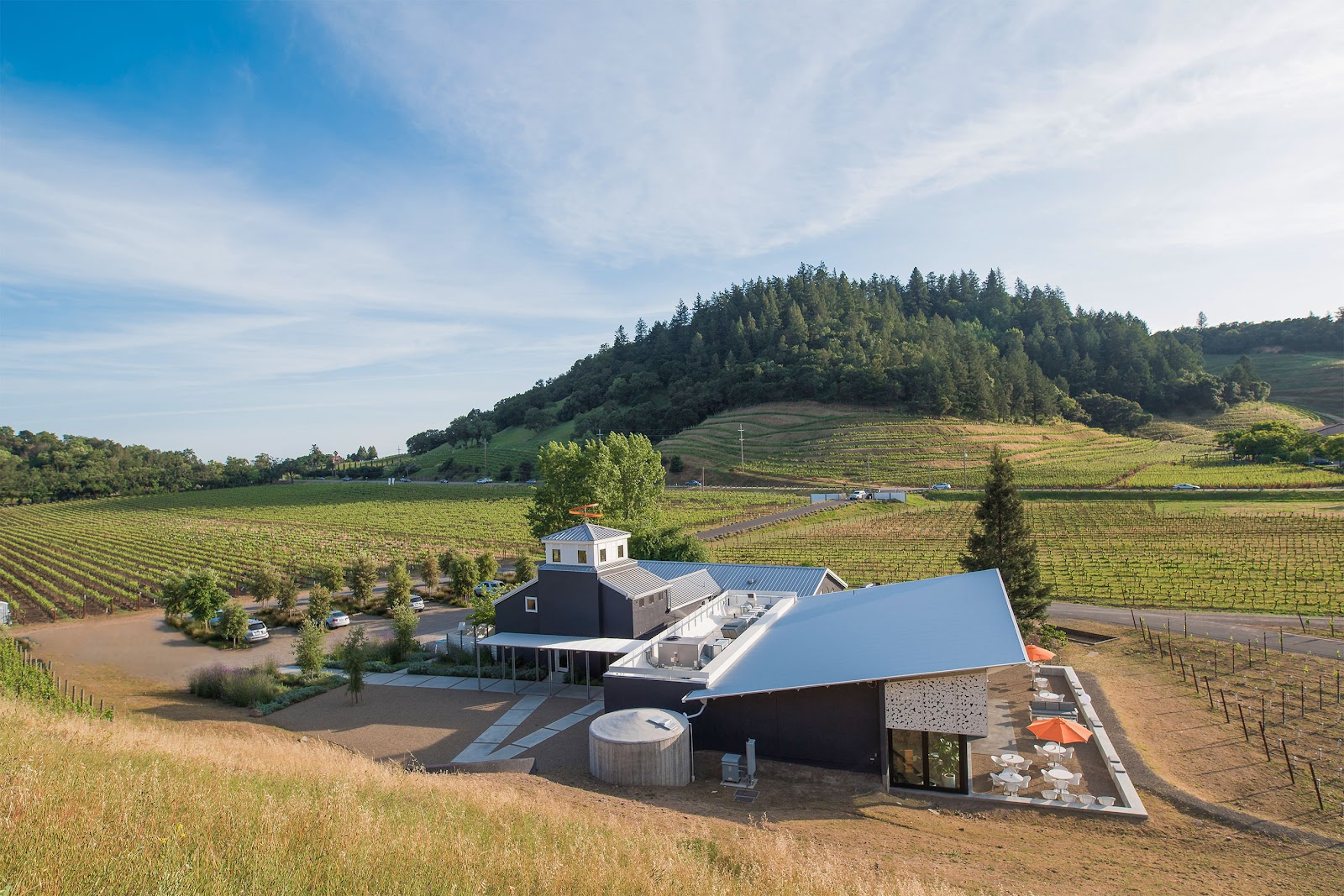
This LEED Gold Certified estate in Stags Leap District pours Cabernet Sauvignon grown on-site.
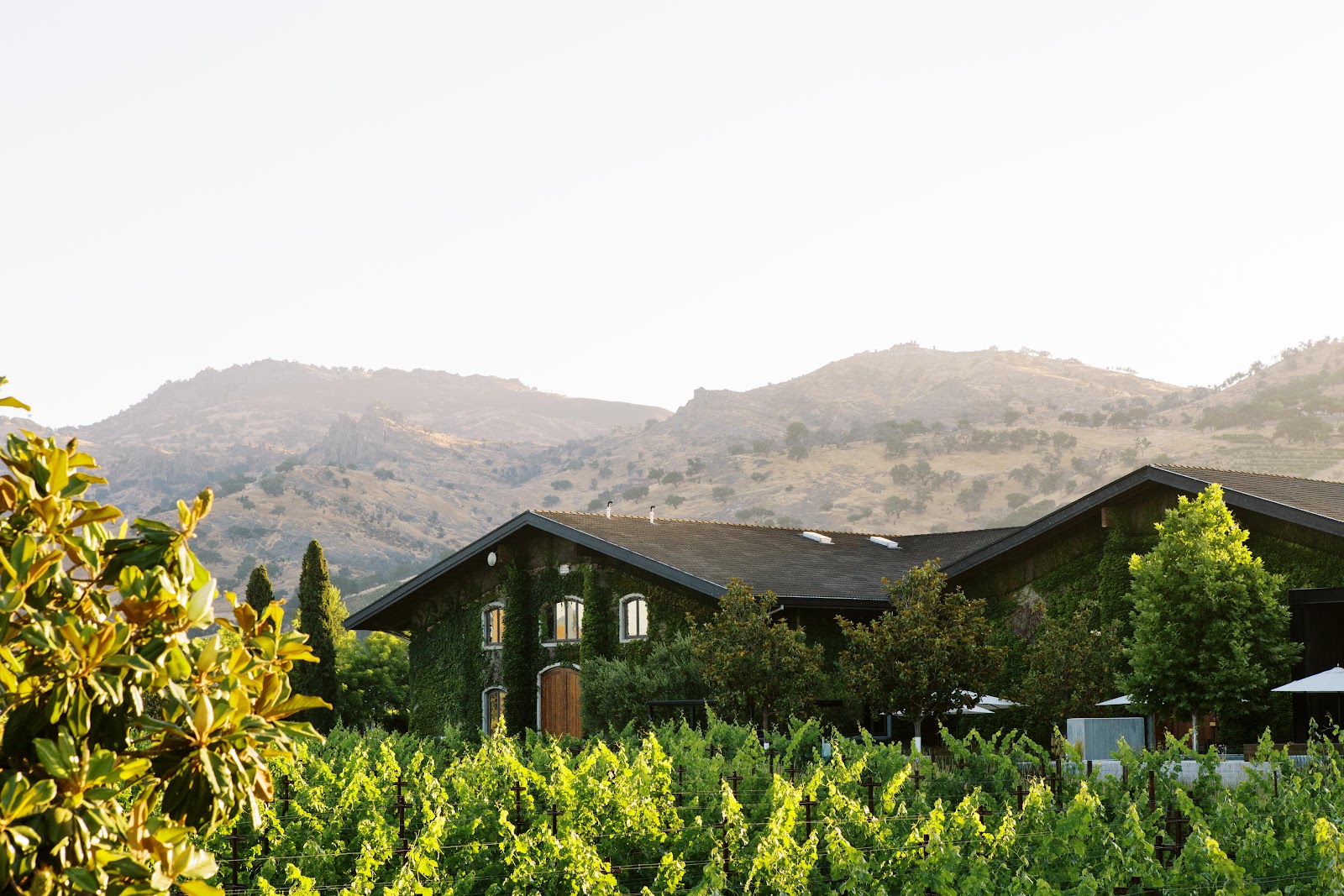
Founded in 1972 by Bernard Portet and the Goelet family, now led by third-generation owner Olav Goelet.
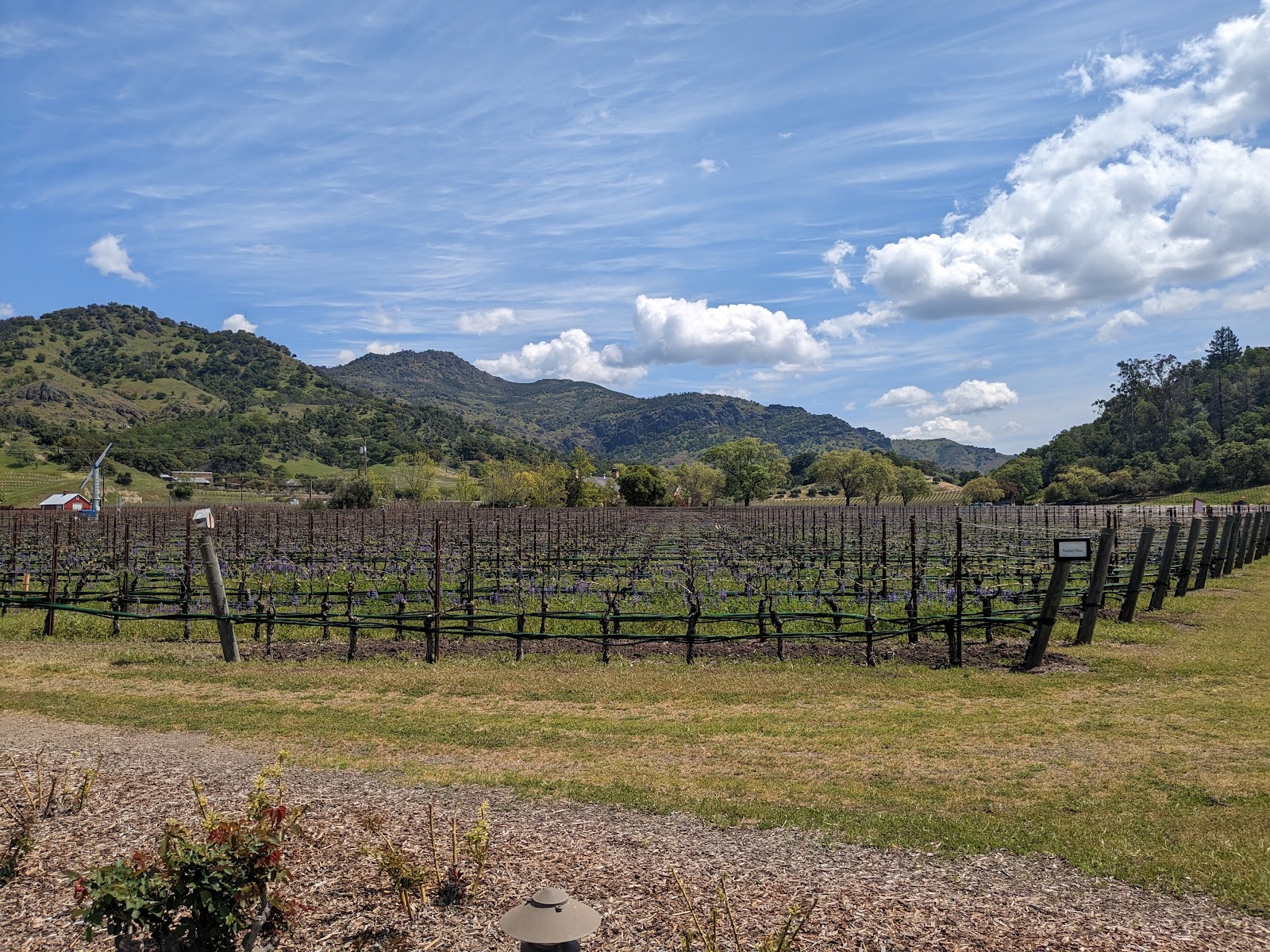
Cliff Lede names its estate blocks after rock songs and hosts tastings in a lounge lined with rock legend artwork.
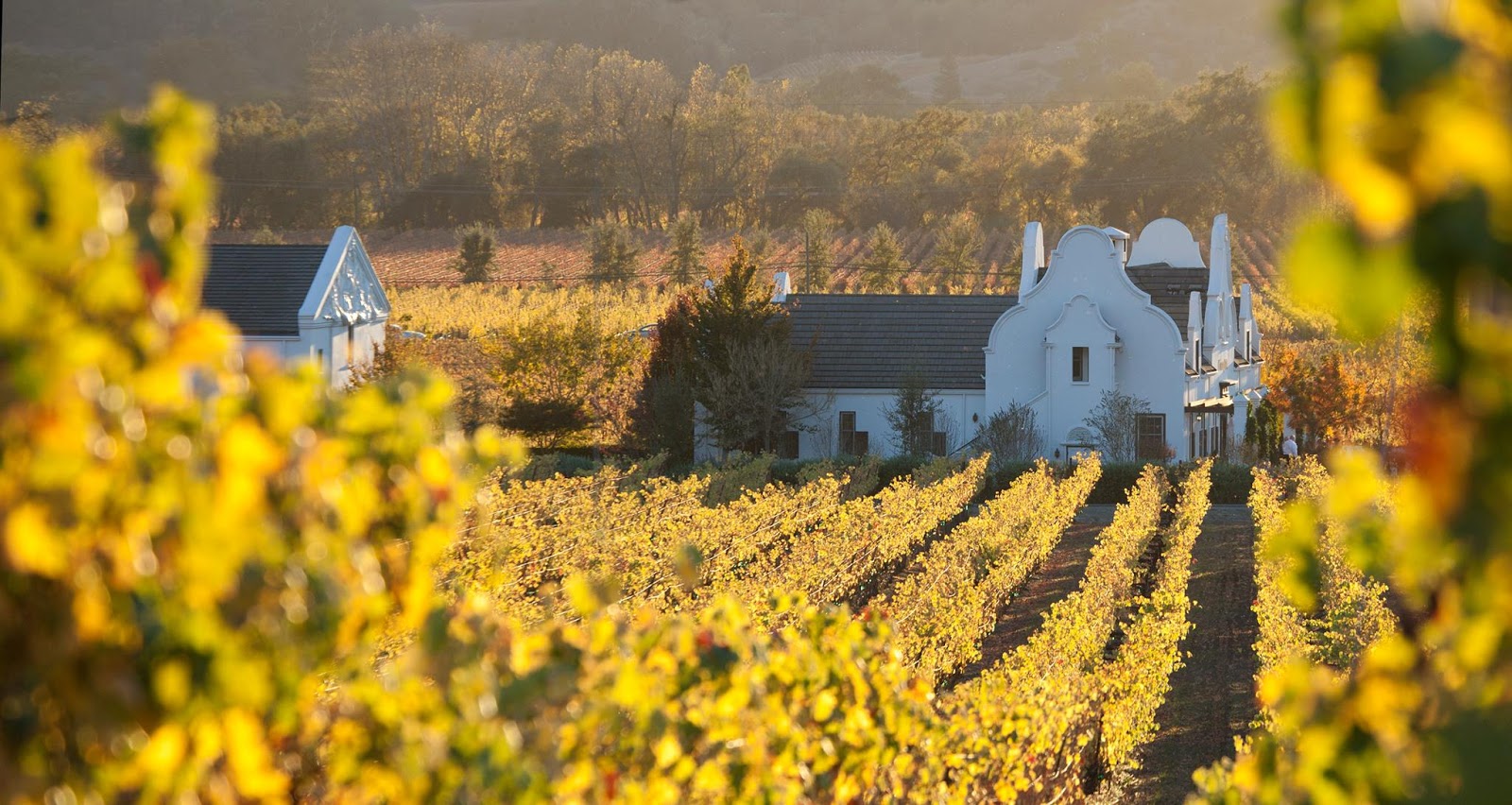
Chimney Rock's 2021 Stags Leap District Cabernet ranked #5 in Wine Spectator's 2024 list.
Gaetano Regusci bought this ranch in the 1930s, and five generations later his family still farms it.
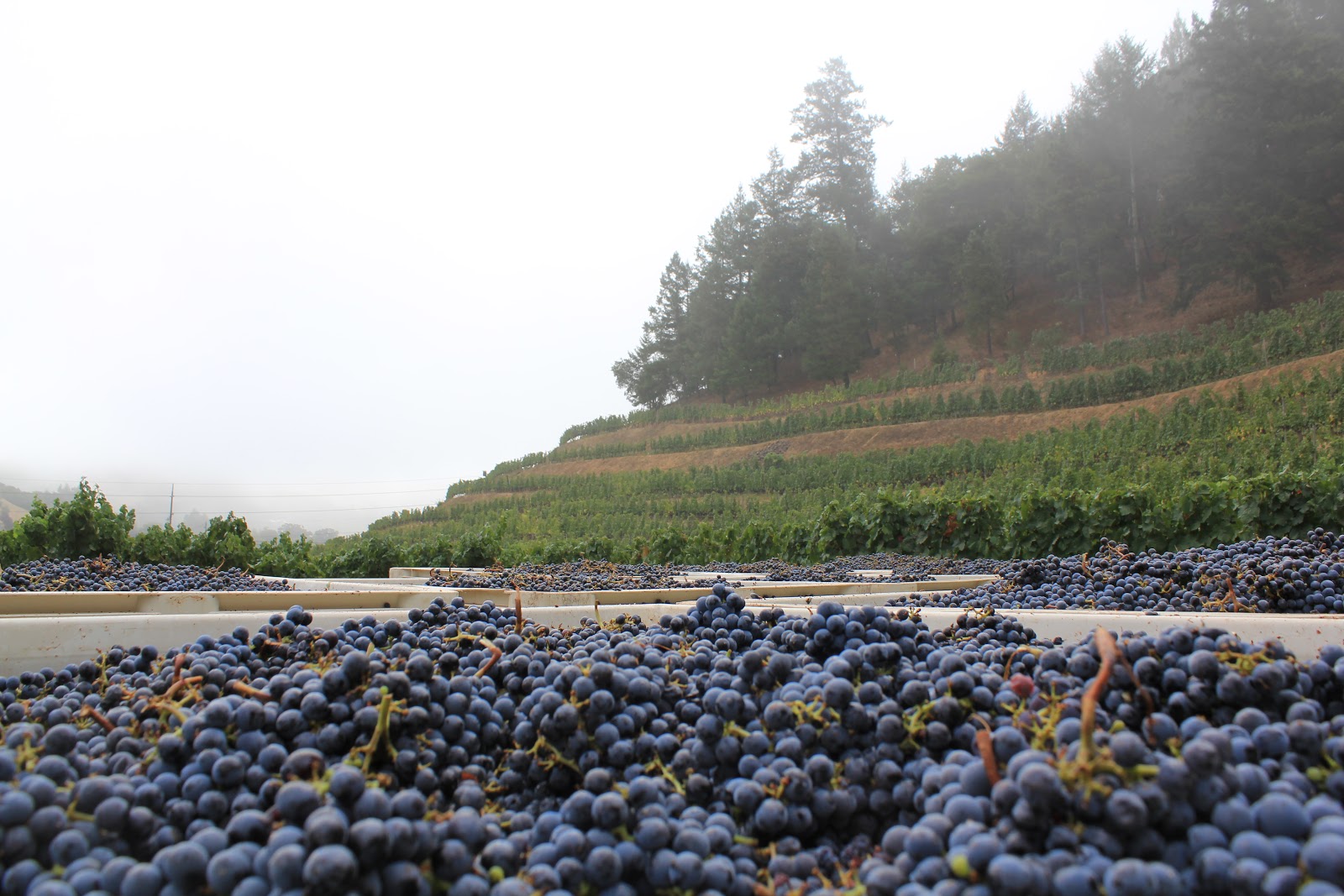
Gary Andrus founded Pine Ridge in 1978 to farm 47 acres in the Stags Leap District.
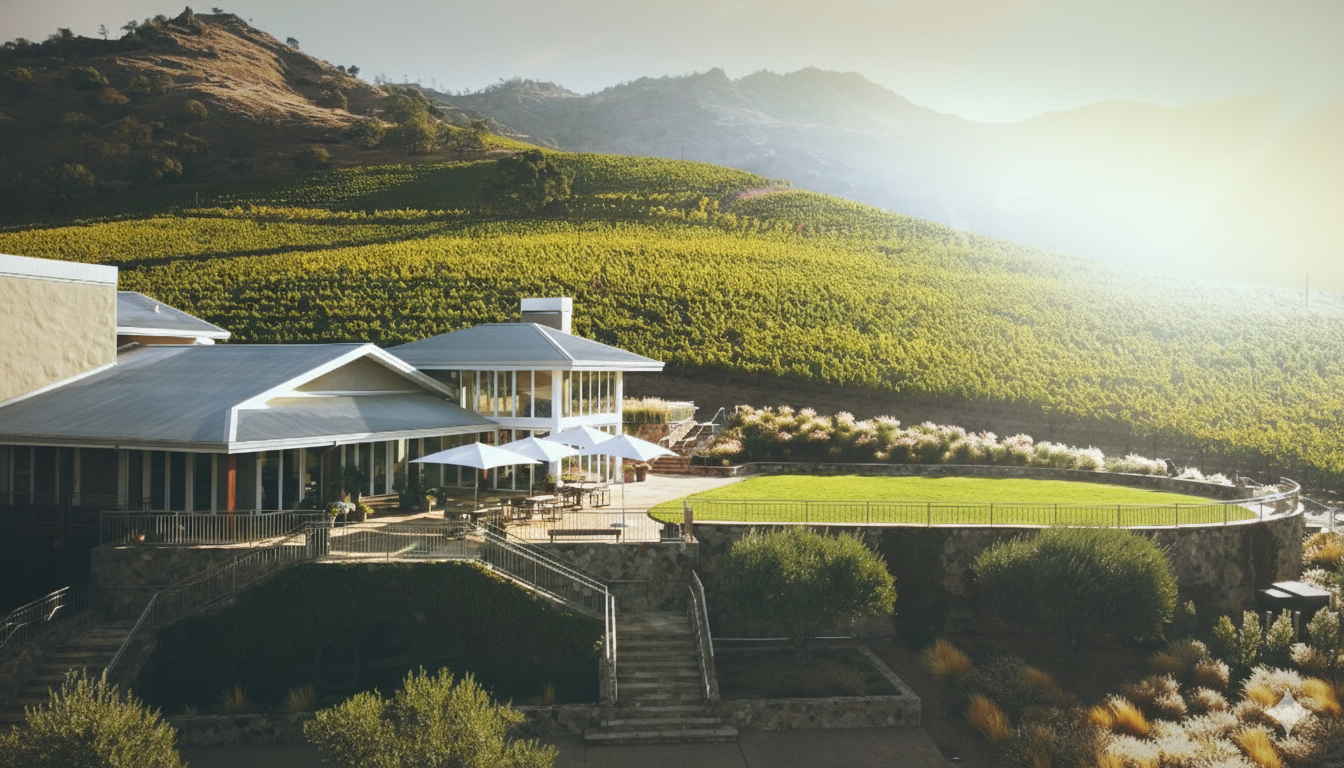
Winemaker Elias Fernandez has made 40 consecutive harvests here, shaping Hillside Select.
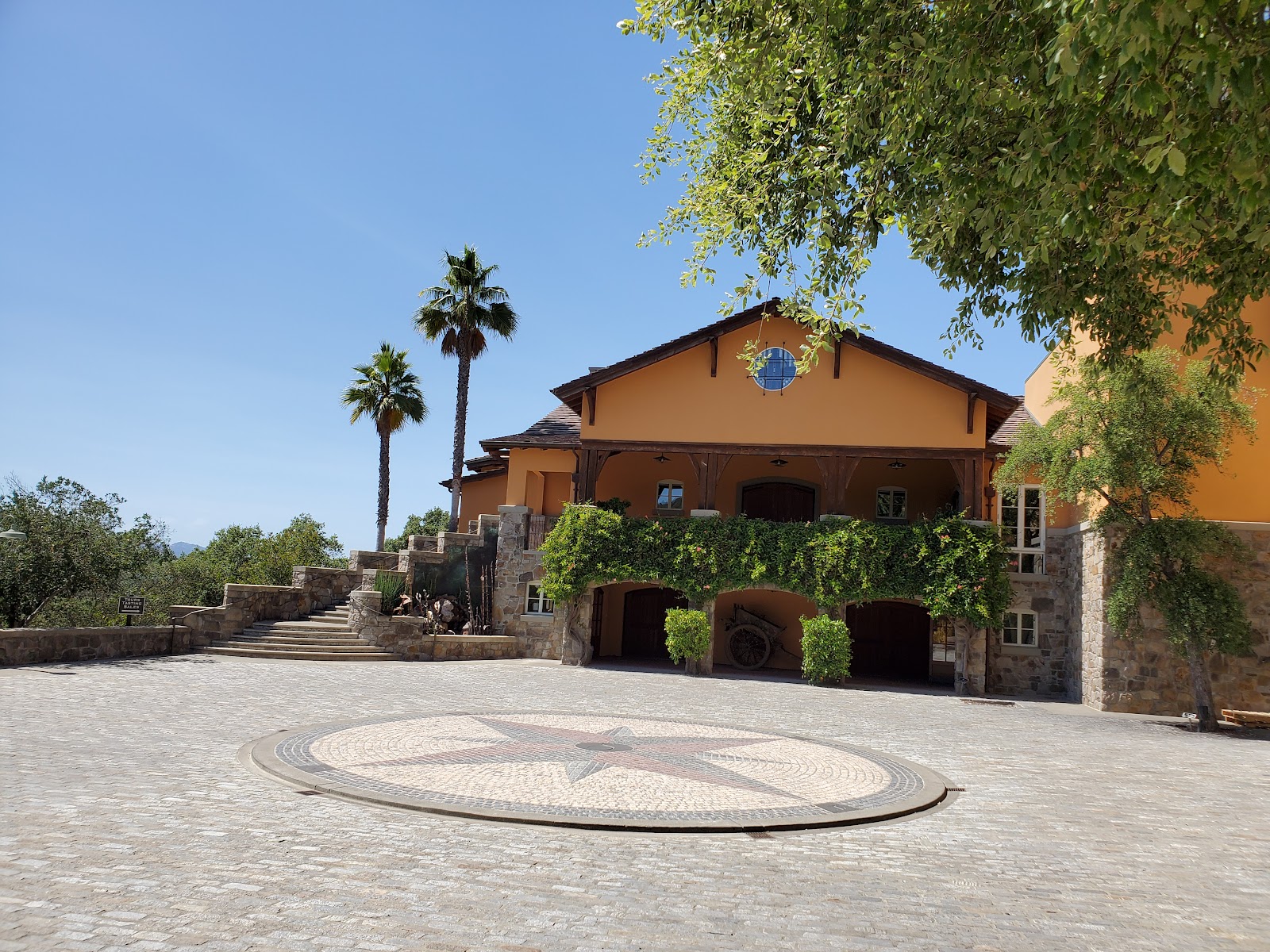
Founded by Ron and Diane Miller and Lillian Disney, producing estate Cabernets from Stags Leap District and Coombsville.
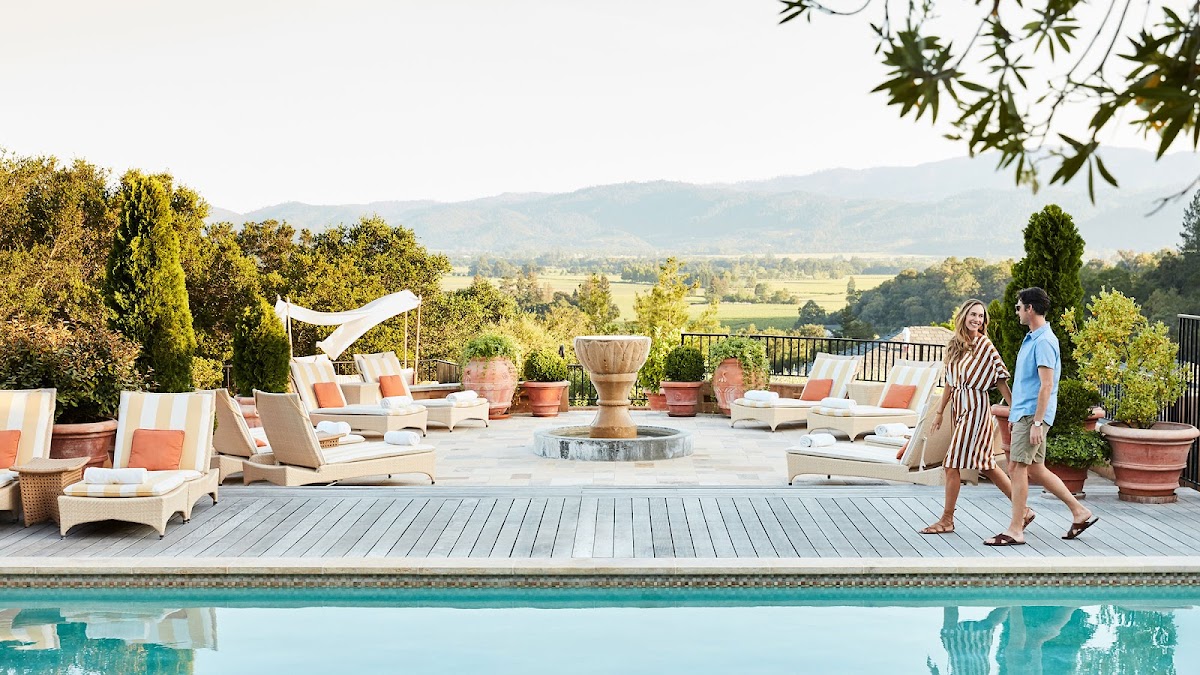 Hotel
HotelAuberge du Soleil terraces down a Rutherford hillside planted with heritage olive and oak trees.
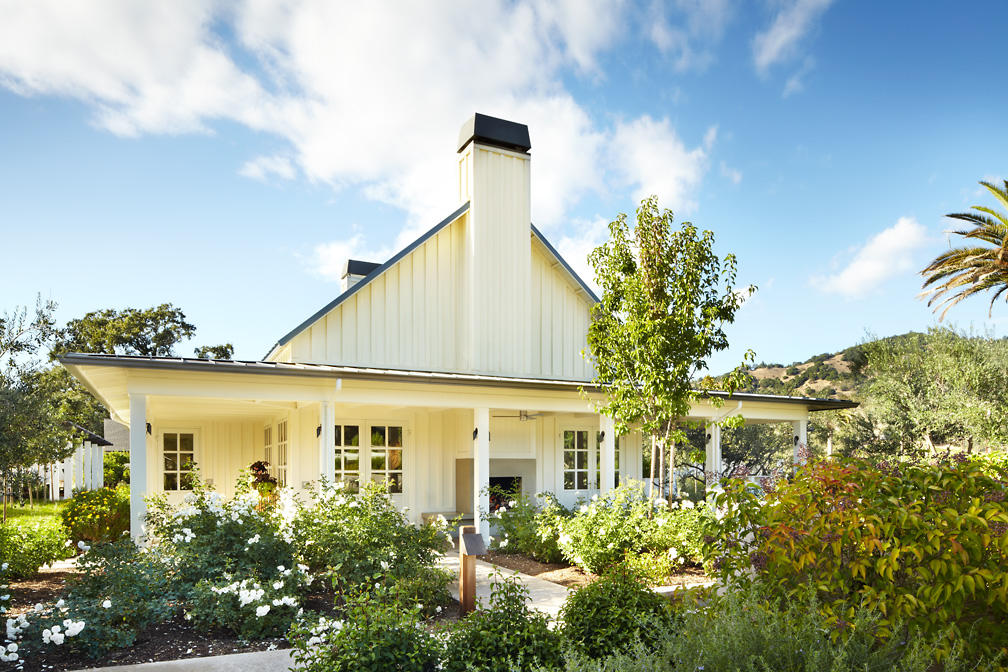 Hotel
HotelThe 20,000-square-foot spa runs on Calistoga's geothermal water and books out weeks ahead.
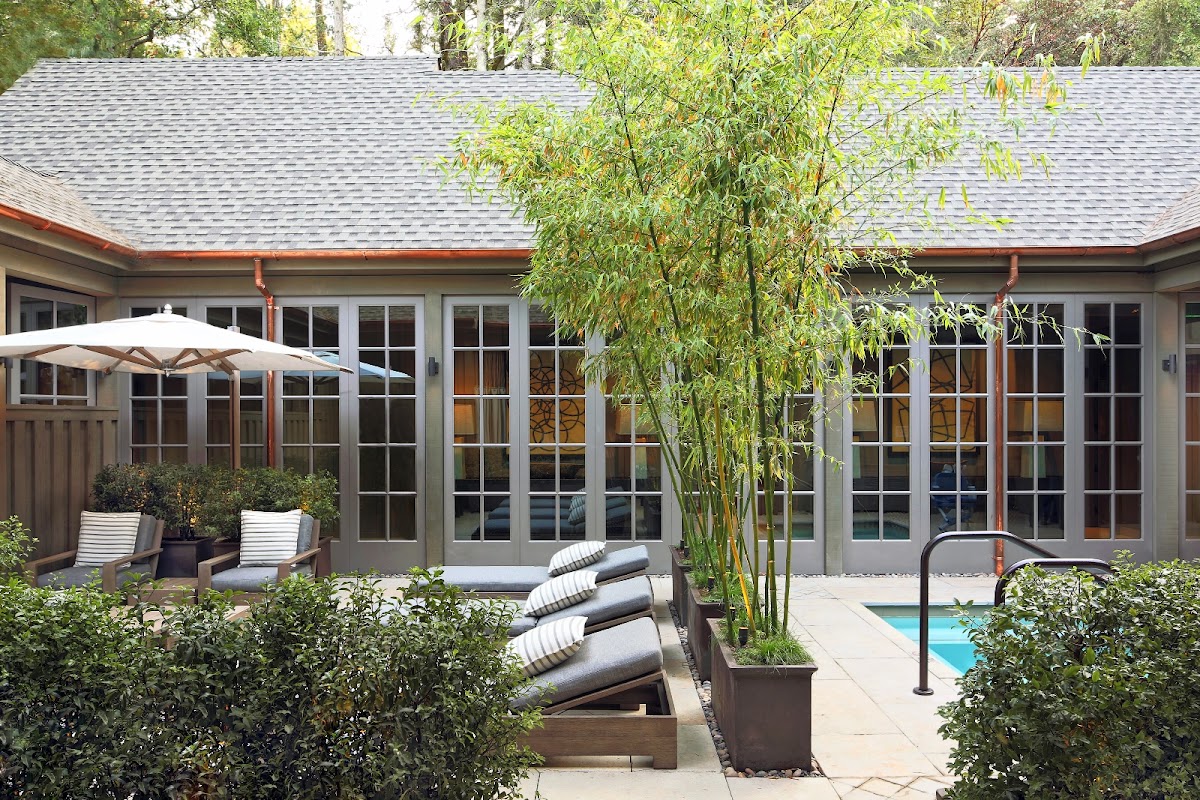 Hotel
HotelA 250-acre estate on land first settled in 1961, with wood-lined cottages scattered across oak groves.
Discover neighboring regions, each with its own character and wines.
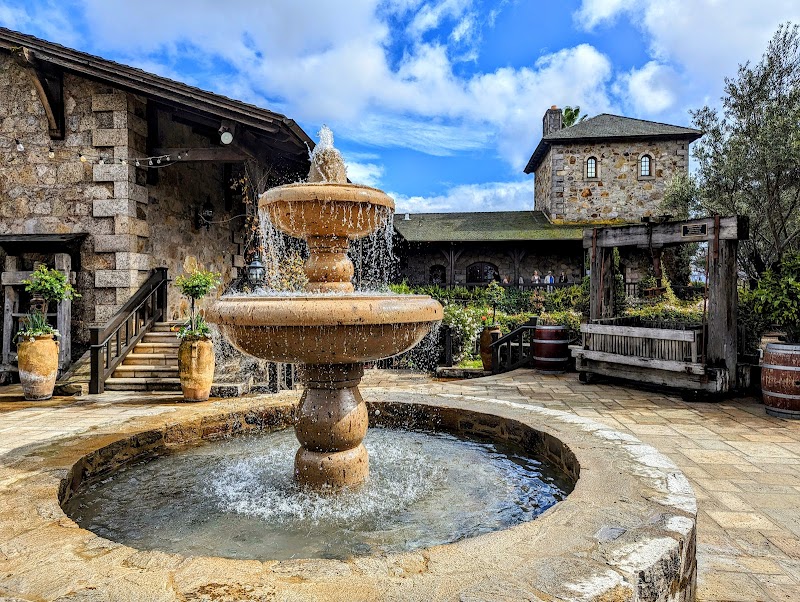
St. Helena is Napa Valley's wine history in concentrated form — home to the oldest continuously operating winery (Beringer, 1876) and California's first tasting room (Charles Krug, 1861). Main Street's walkable mix of tasting rooms, restaurants, and the Culinary Institute of America at Greystone makes it the cultural heart of upper Napa.
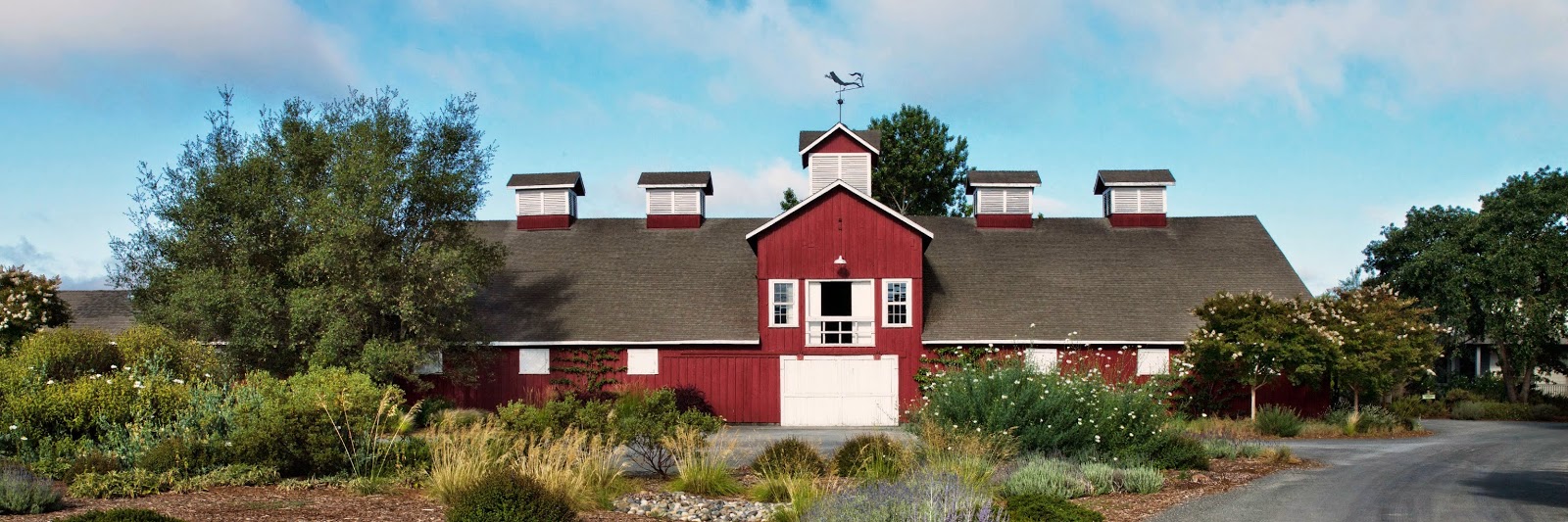
Rutherford is the birthplace of the 'Rutherford Dust' concept — a distinctively earthy, cocoa-like tannin quality in Cabernet Sauvignon coined by legendary winemaker Andre Tchelistcheff. Home to some of Napa's most historically significant estates including Inglenook (1881) and Beaulieu Vineyard (1900).

Oakville sits at the crossroads of Napa Valley's most important wine influences — warm enough for powerful Cabernet Sauvignon but cooled enough by bay fog for remarkable finesse. It is home to the legendary To Kalon vineyard (established 1868) and some of Napa's most iconic producers.
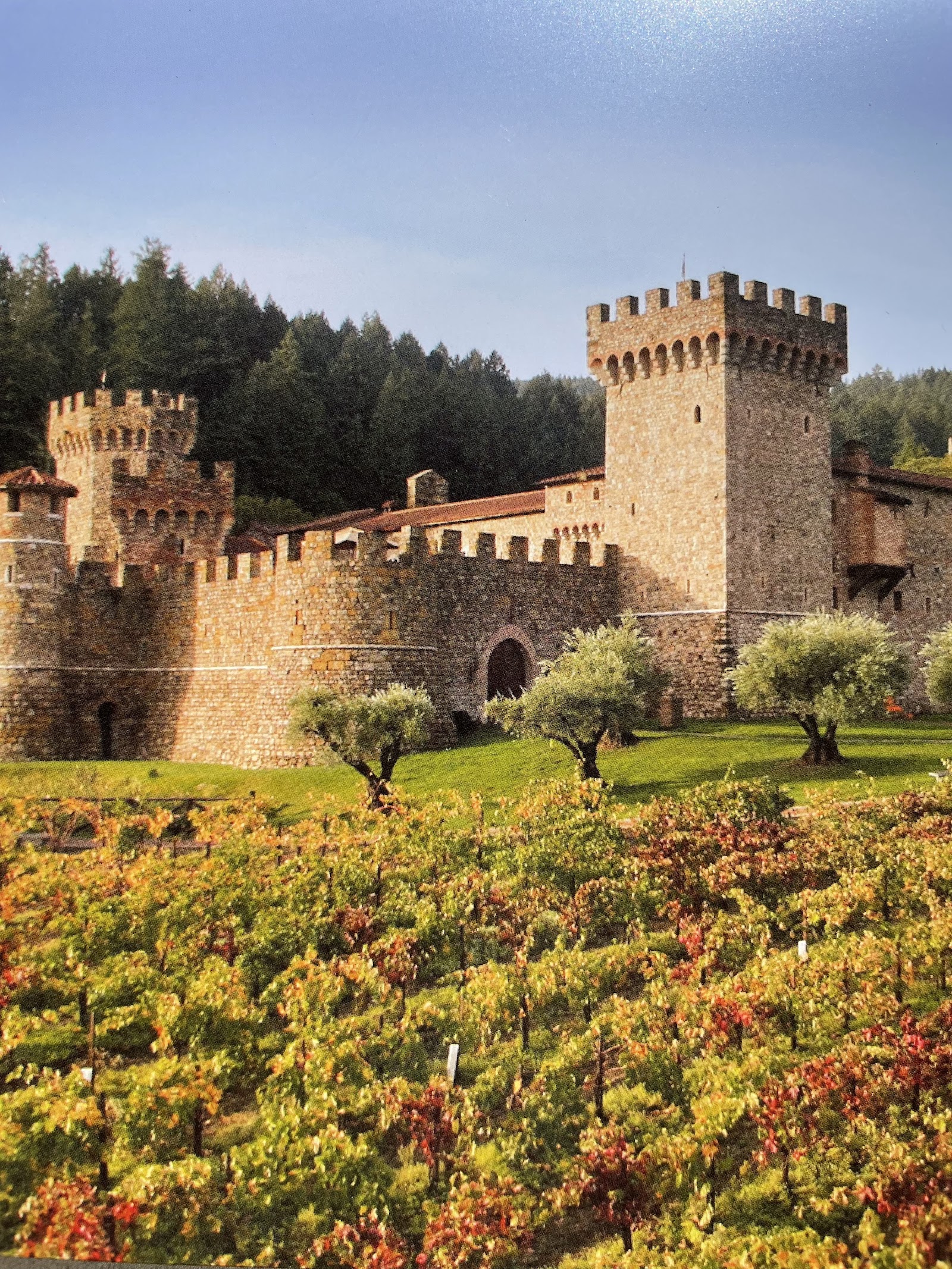
Calistoga is the only Napa Valley town where world-class wine tasting meets natural hot springs, mud baths, and a geyser — all within a few miles. Its volcanic soils and mountain-ringed microclimate produce some of Napa's most bold and concentrated red wines.