Calistoga · Napa4.2 · 4,718
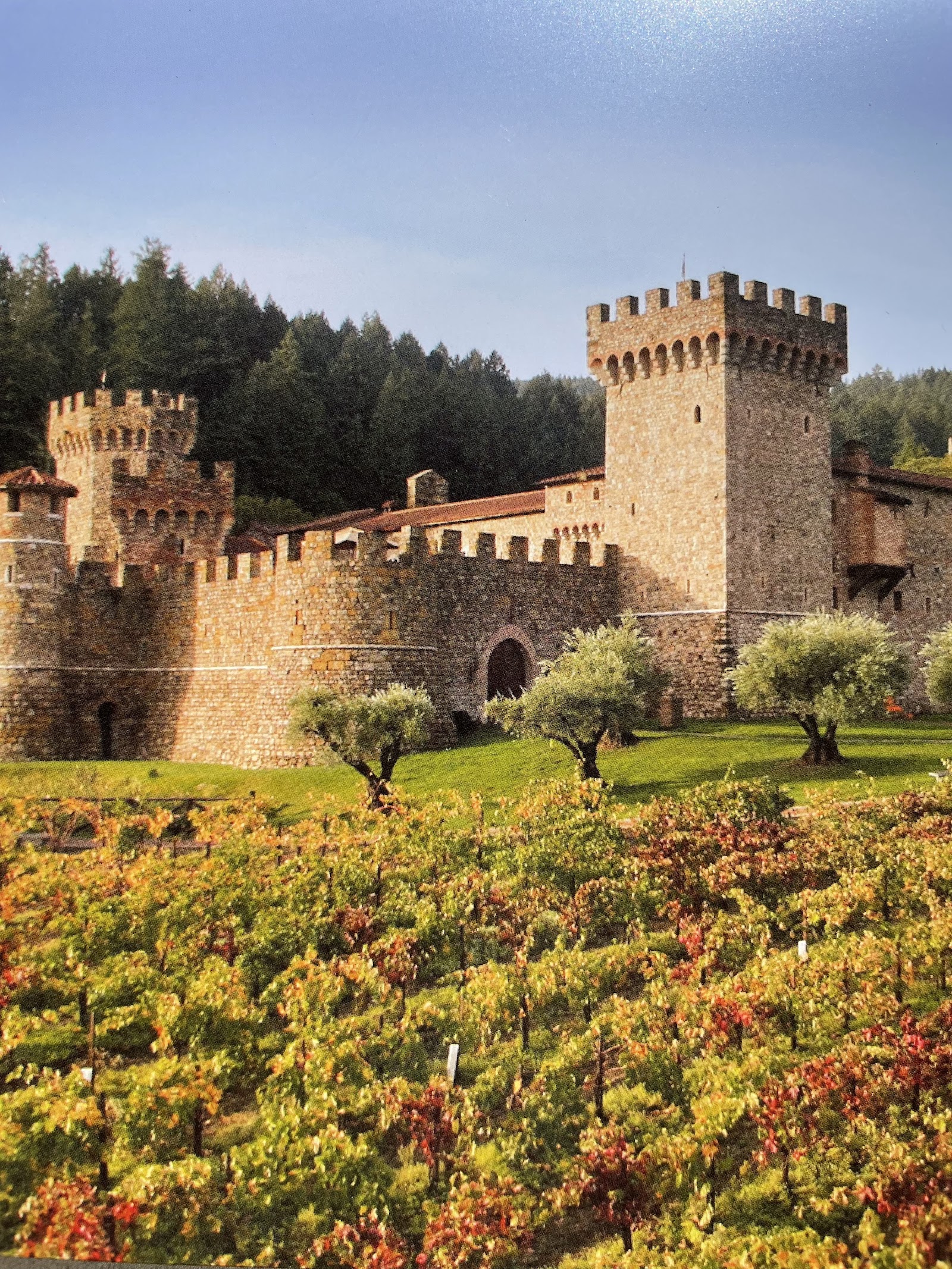
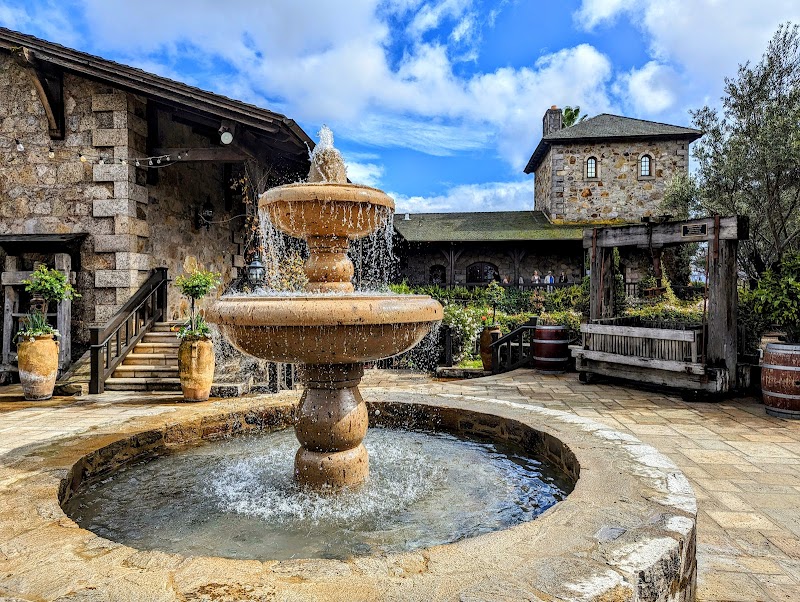
Castello di Amorosa
A 14th-century Tuscan castle replica in Calistoga pours Italian-style wines.
ReservationDog OKKid Friendly
$$From $45
Calistoga is the only Napa Valley town where world-class wine tasting meets natural hot springs, mud baths, and a geyser — all within a few miles. Its volcanic soils and mountain-ringed microclimate produce some of Napa's most bold and concentrated red wines.
Calistoga sits at the northern end of Napa Valley, where volcanic soils and the warmest temperatures in the valley produce bold, concentrated wines. The town itself is famous for its hot springs, mud baths, and Old Faithful Geyser, making it a unique destination that pairs wine with wellness.
The AVA's volcanic ash and tufa soils lend a distinctive mineral character to its wines, particularly Cabernet Sauvignon and Petite Sirah. Vineyards here benefit from the warm days and cool nights created by the Palisades mountain range.
Calistoga is Napa's warmest town — summer days can exceed 100°F while nights drop to the low 40s. Visit in spring or fall, or book morning tastings in summer and spend afternoons at the spas.
Cabernet Sauvignon, Petite Sirah, Zinfandel
Volcanic ash and tufa soils with warm days and significant diurnal temperature shifts
Spring and fall for comfortable temperatures; summer can be quite hot
12 wineries to explore — sorted by rating, verified wineries first.
A 14th-century Tuscan castle replica in Calistoga pours Italian-style wines.
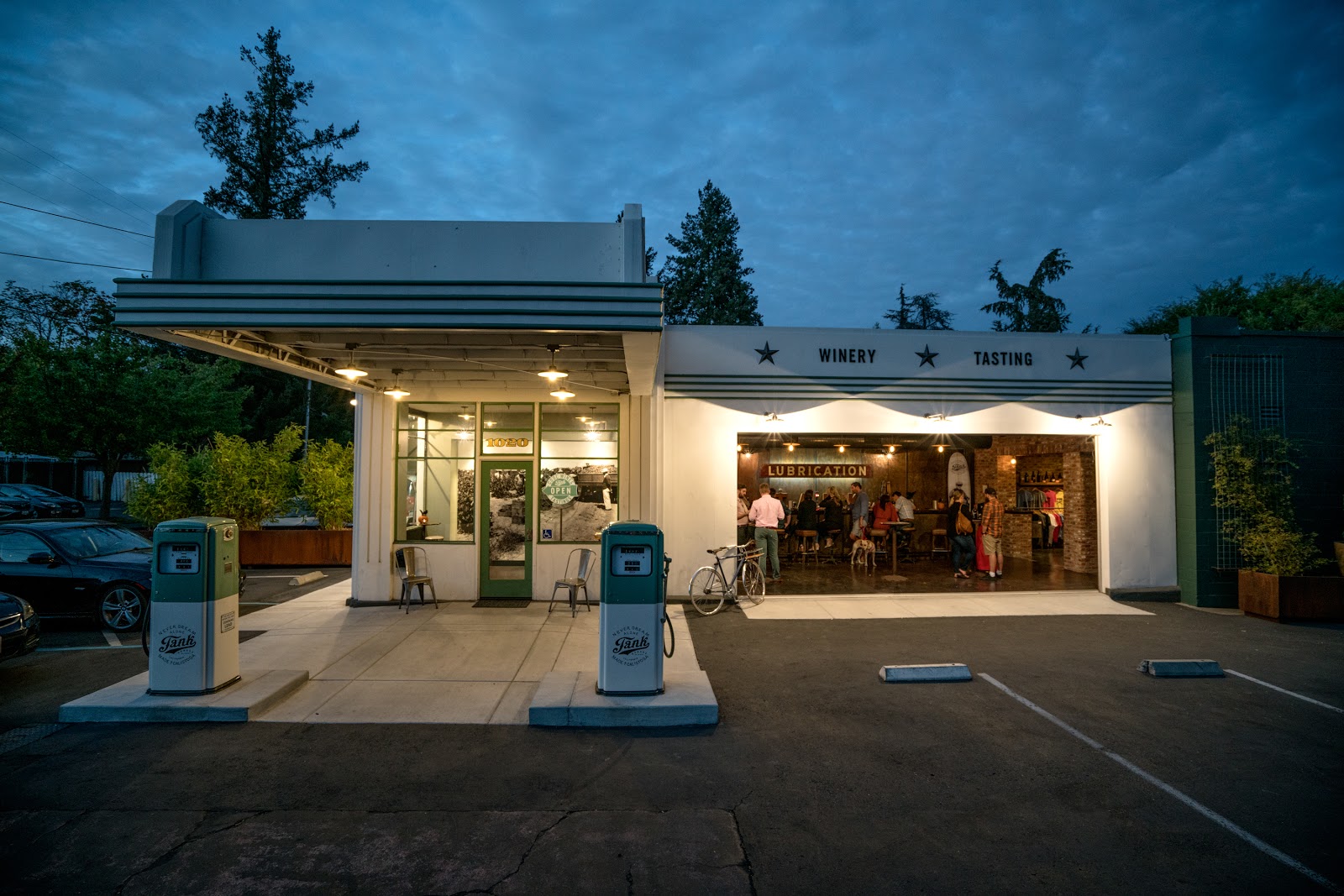
Inside a restored 1930s Calistoga service station, Tank Garage pours one-off experimental blends that won't be made again.
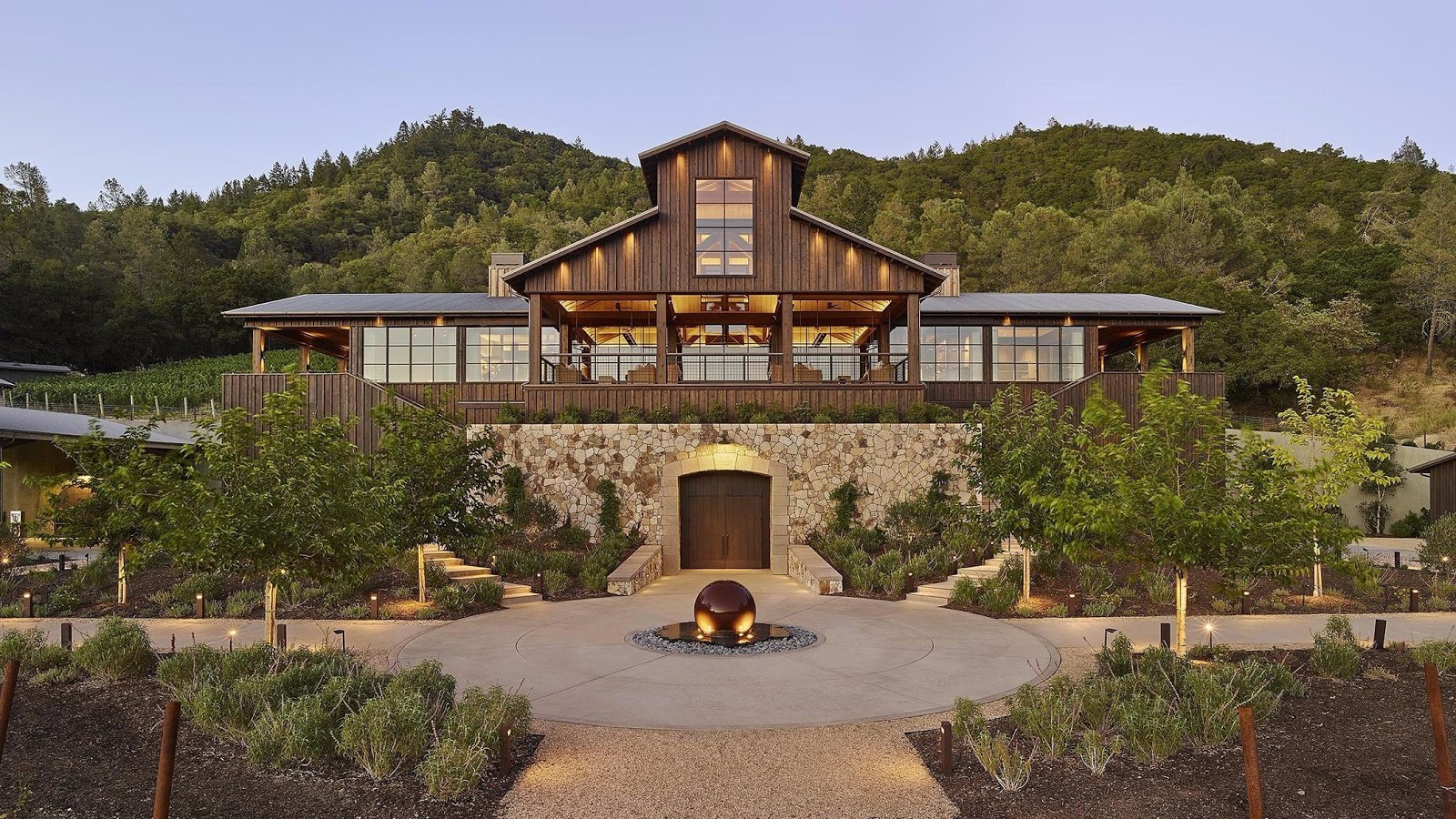
Davis Estates restored a century-old winery in 2011, opening caves and vineyard rows to visitors.
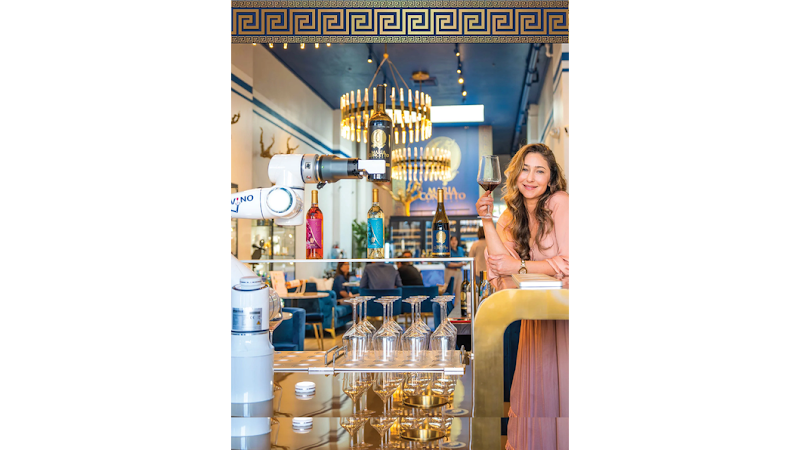
A robot sommelier pours wine at Maria Reznikova's Calistoga tasting room.
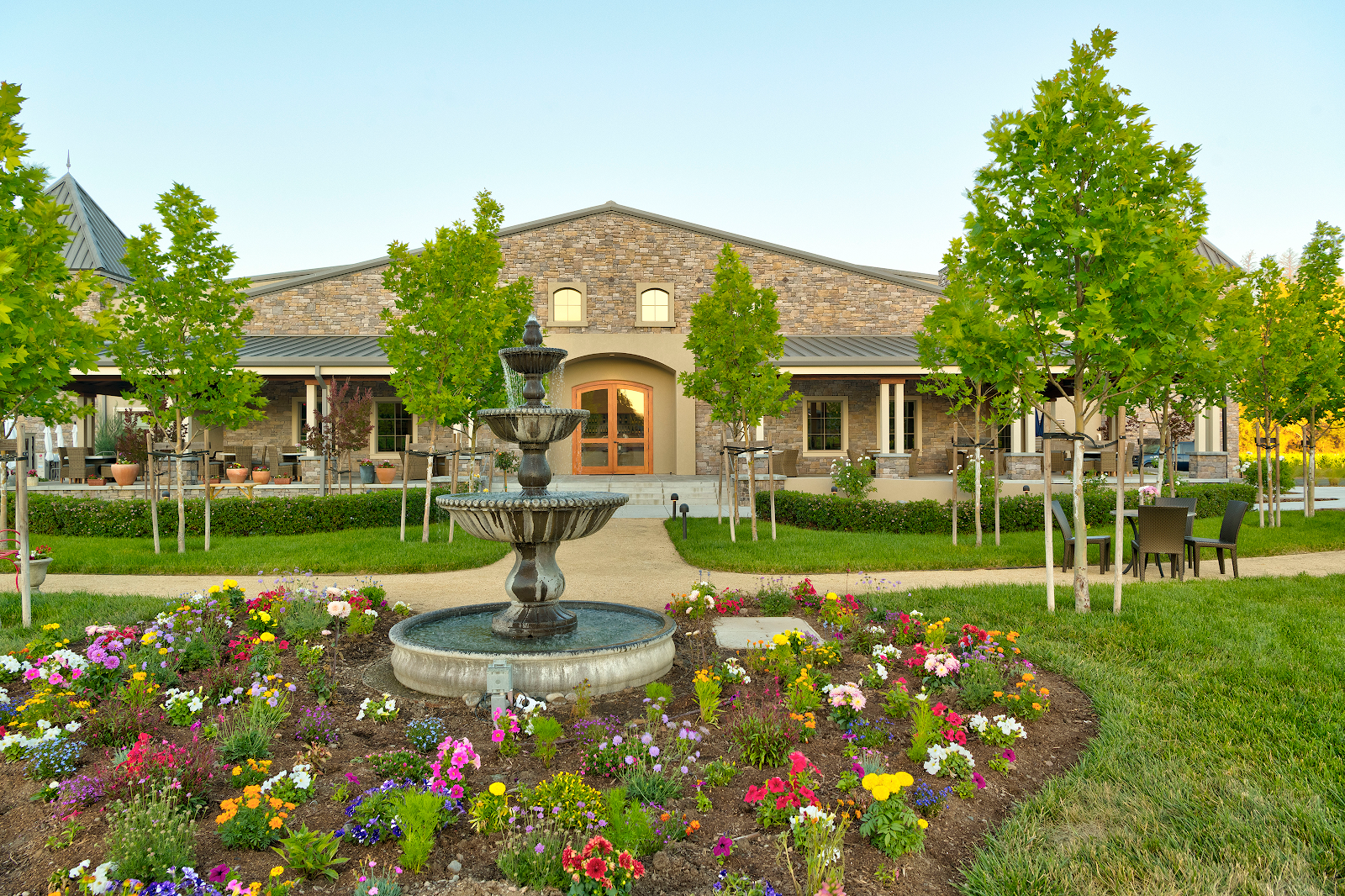
Girard pours Rhône varieties alongside Napa classics at its Dunaweal Lane location in Calistoga.
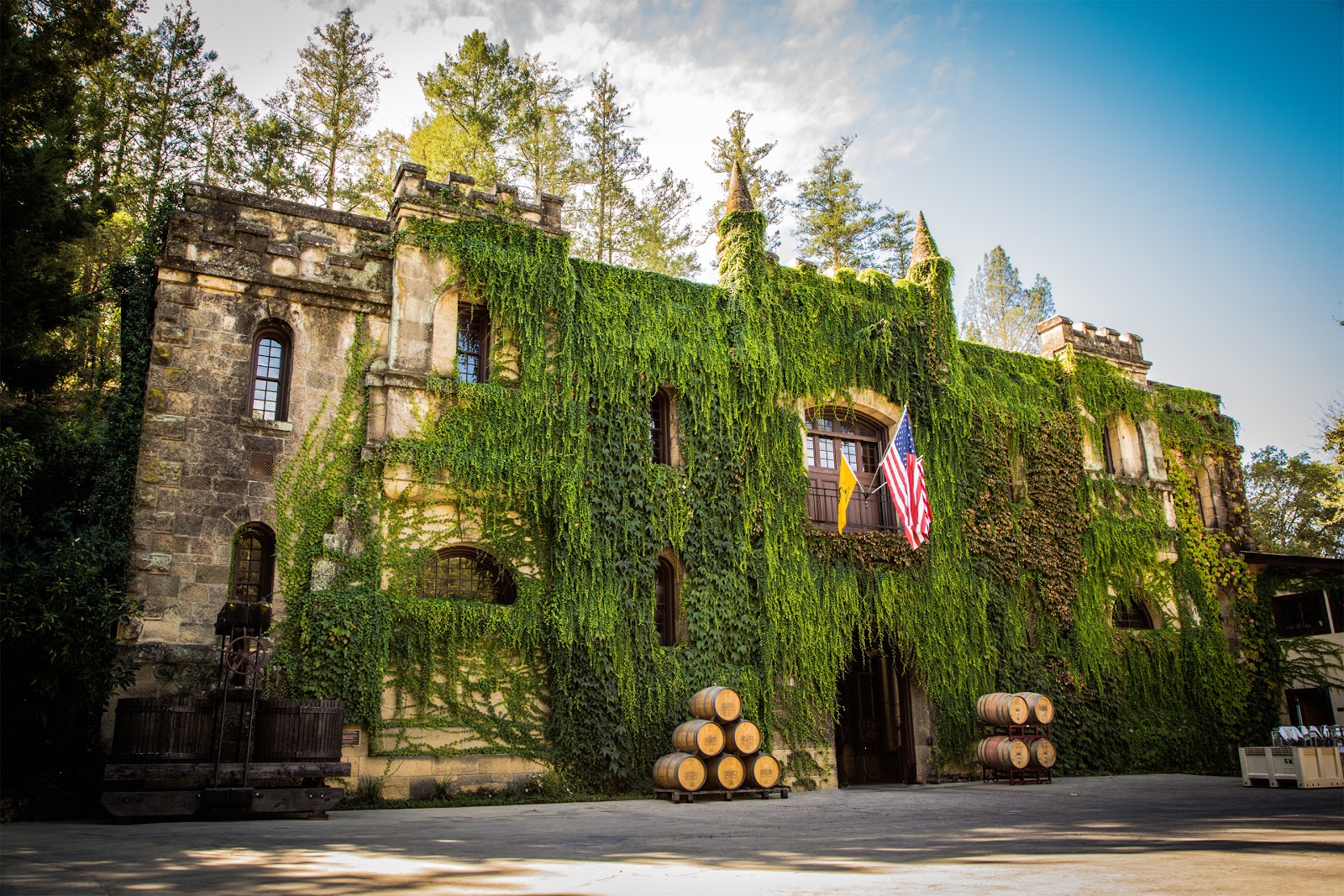
The 1973 Chardonnay that won the Judgment of Paris came from this stone Chateau.
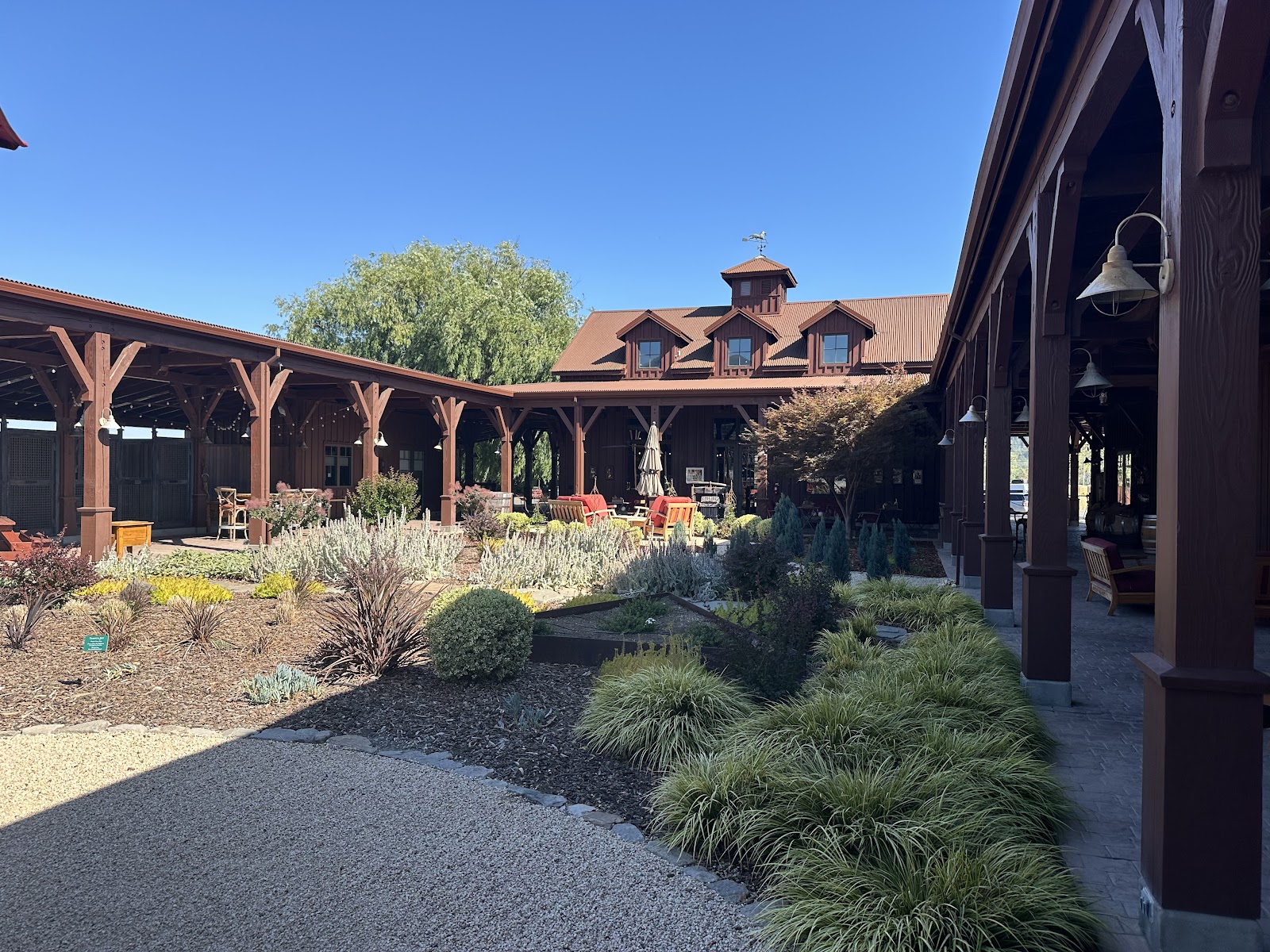
Barry Waitte left high-tech in 2001 and built a winery on a working Arabian horse ranch.
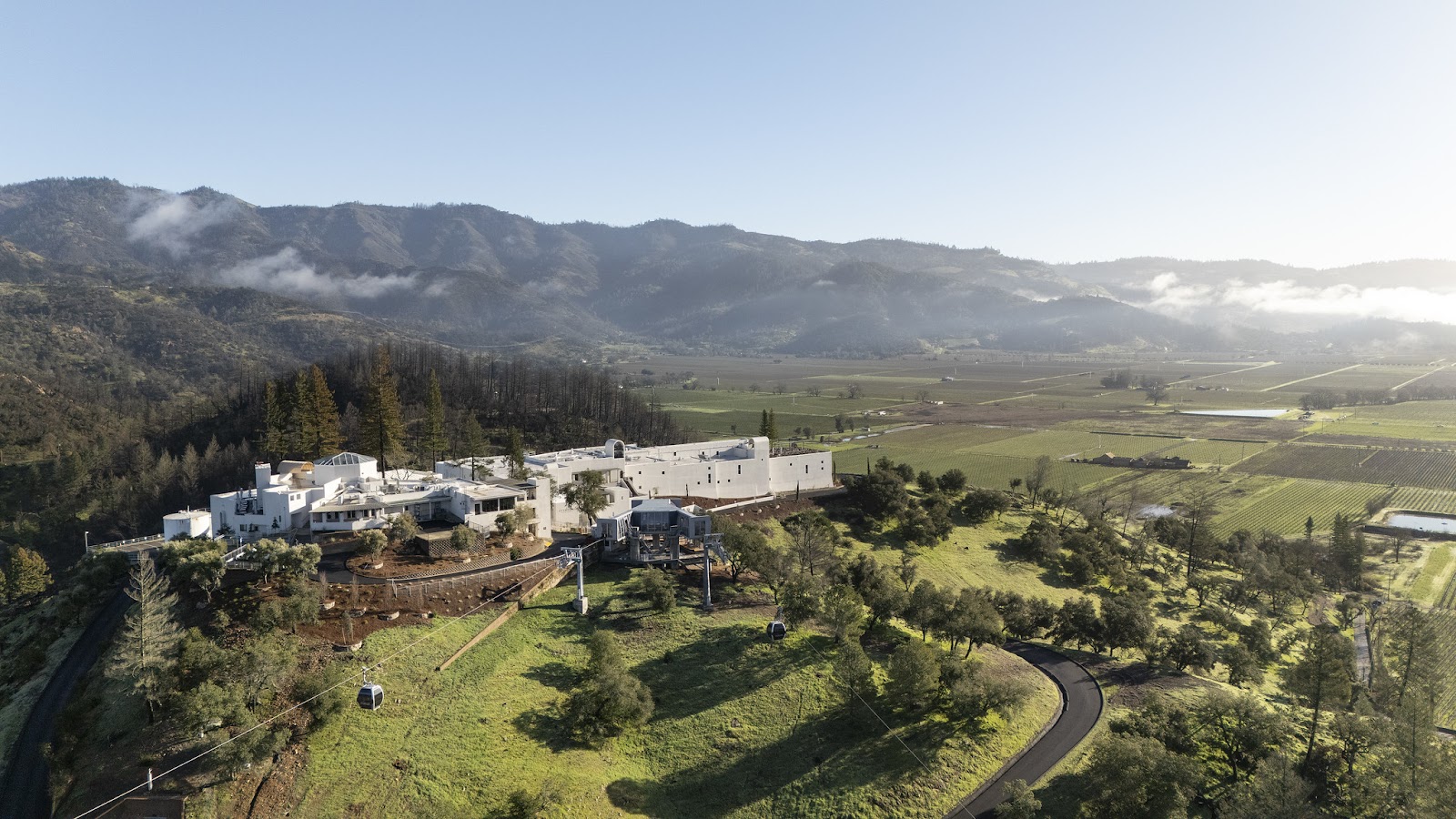
An aerial gondola carries guests 300 feet up to Sterling's hilltop winery above Calistoga.
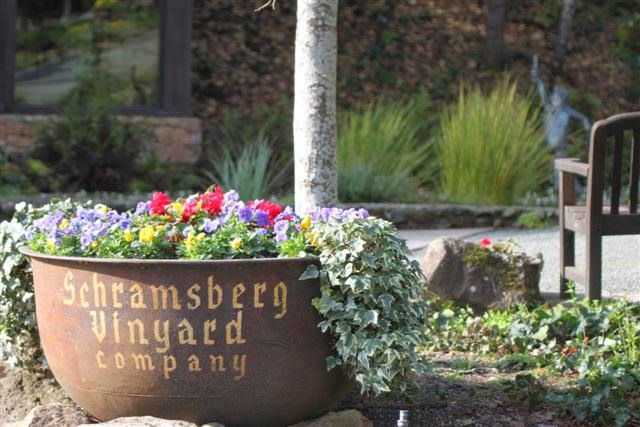
Schramsberg makes only sparkling wine and stores two million bottles in hillside caves.
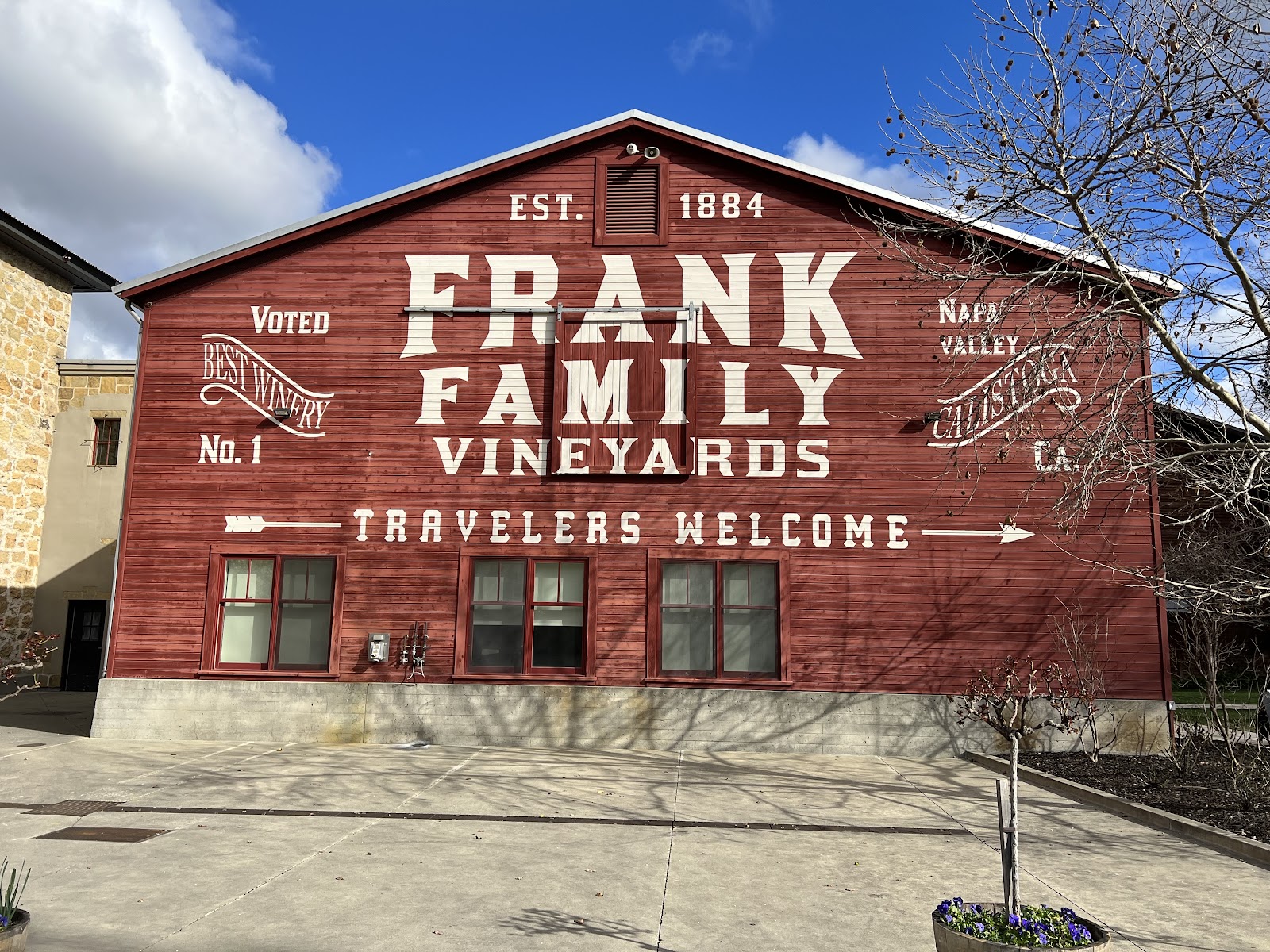
Frank Family pours sparkling wines made with French méthode champenoise in the 1884 Larkmead building.
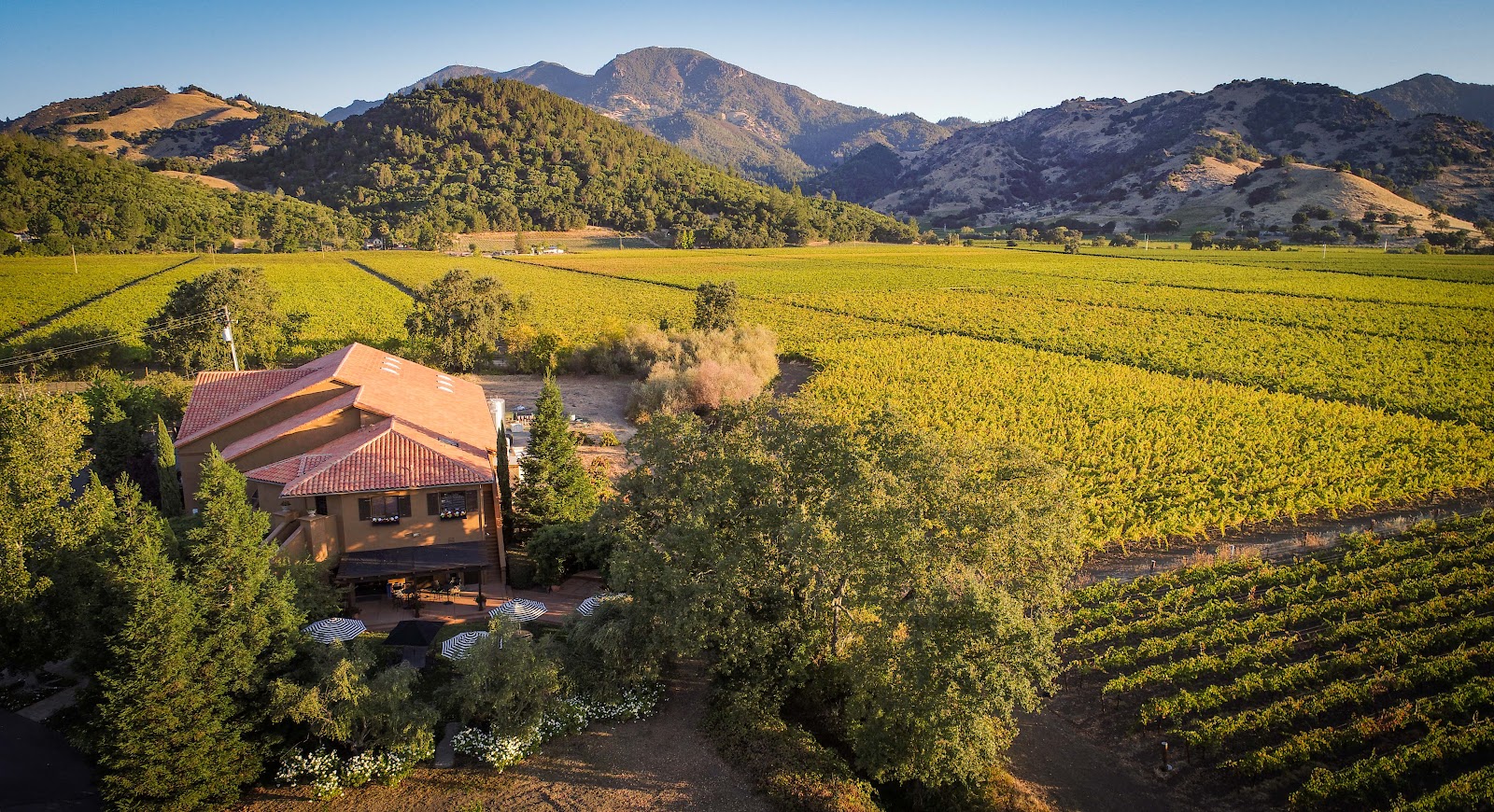
Bennett Lane pours from a library of 78 wines rated 90+ points by Wine Spectator and Wine Enthusiast.
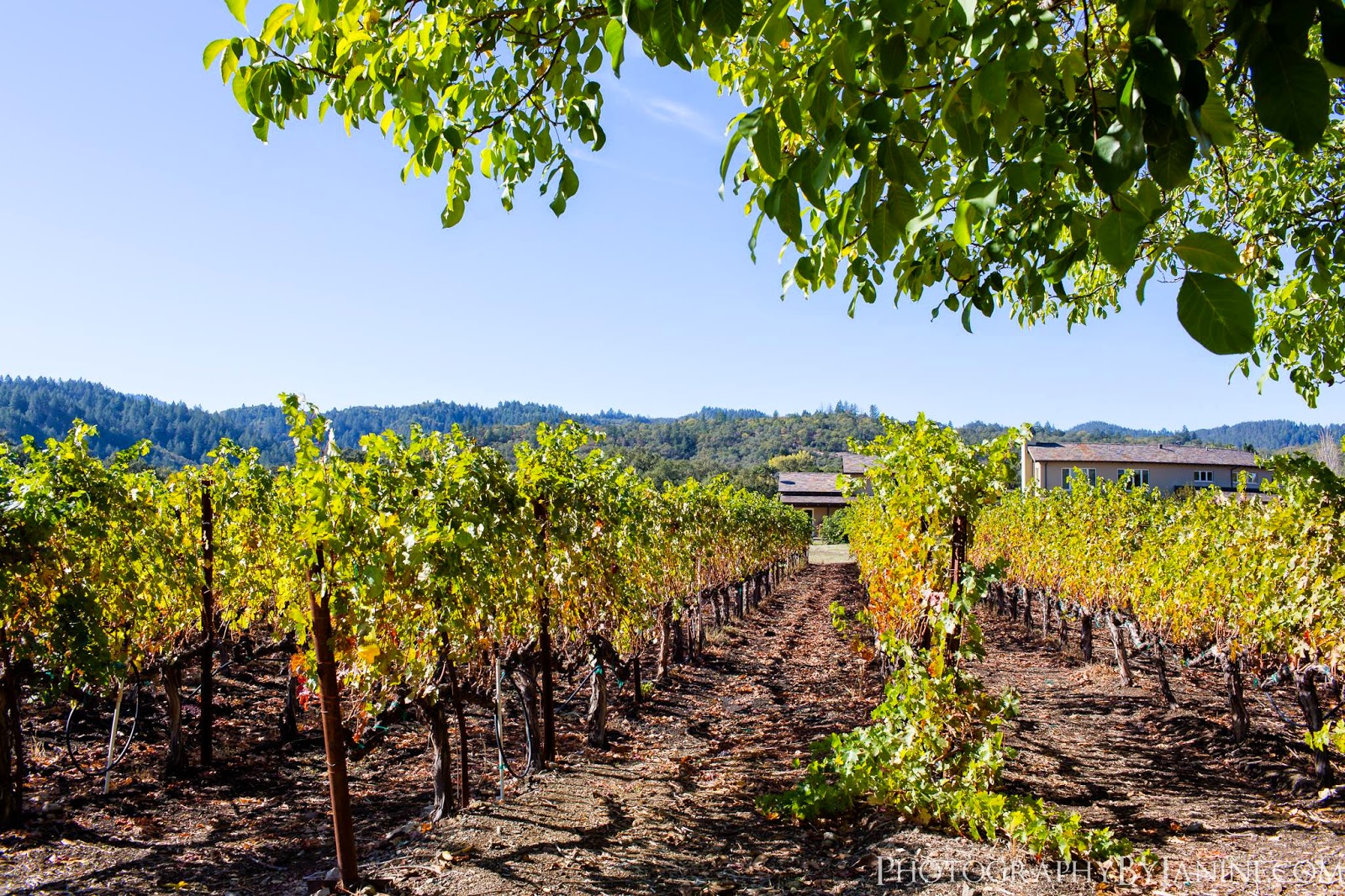
Staff who make the wine pour it themselves in Calistoga.
 Hotel
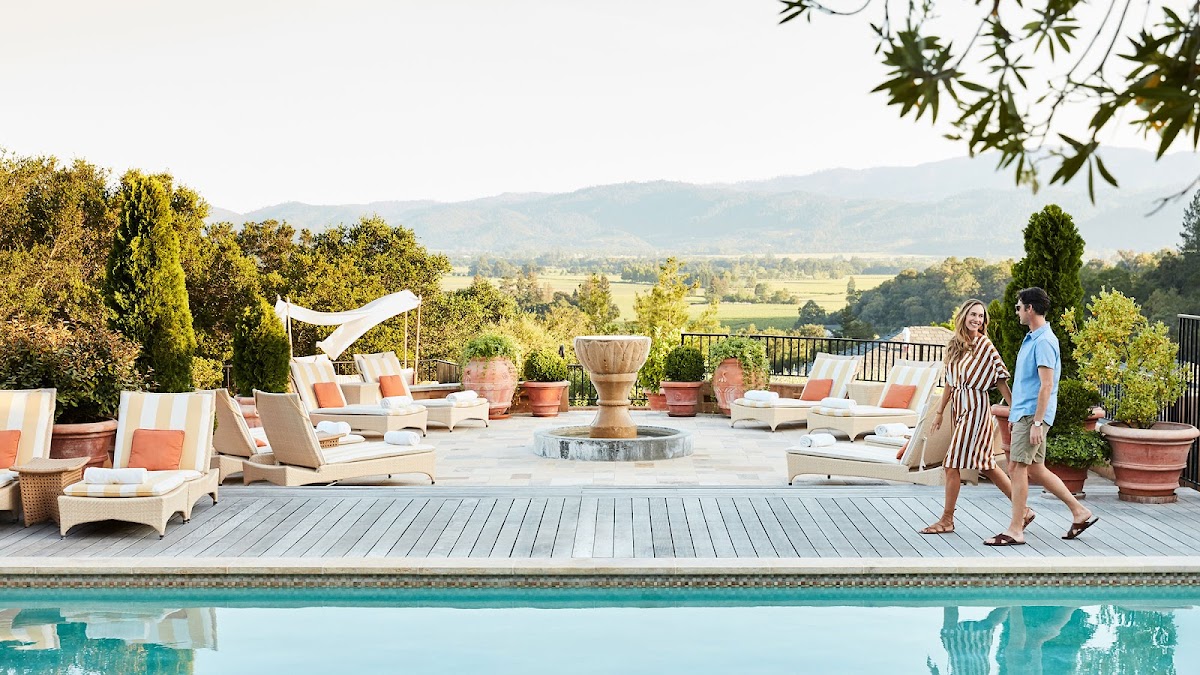
HotelAuberge du Soleil terraces down a Rutherford hillside planted with heritage olive and oak trees.
 Hotel
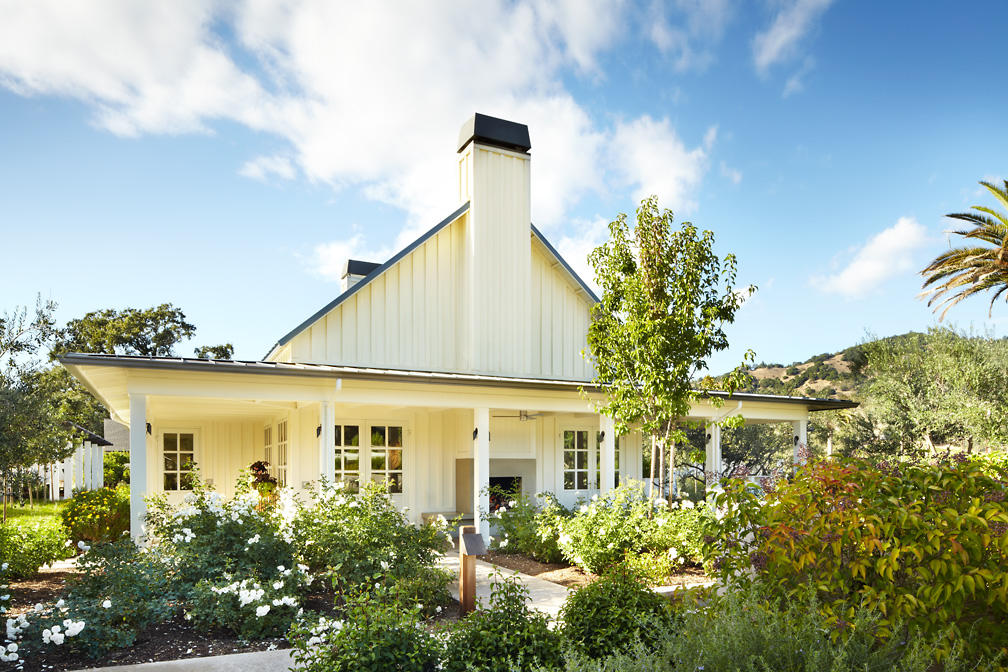
HotelThe 20,000-square-foot spa runs on Calistoga's geothermal water and books out weeks ahead.
 Hotel
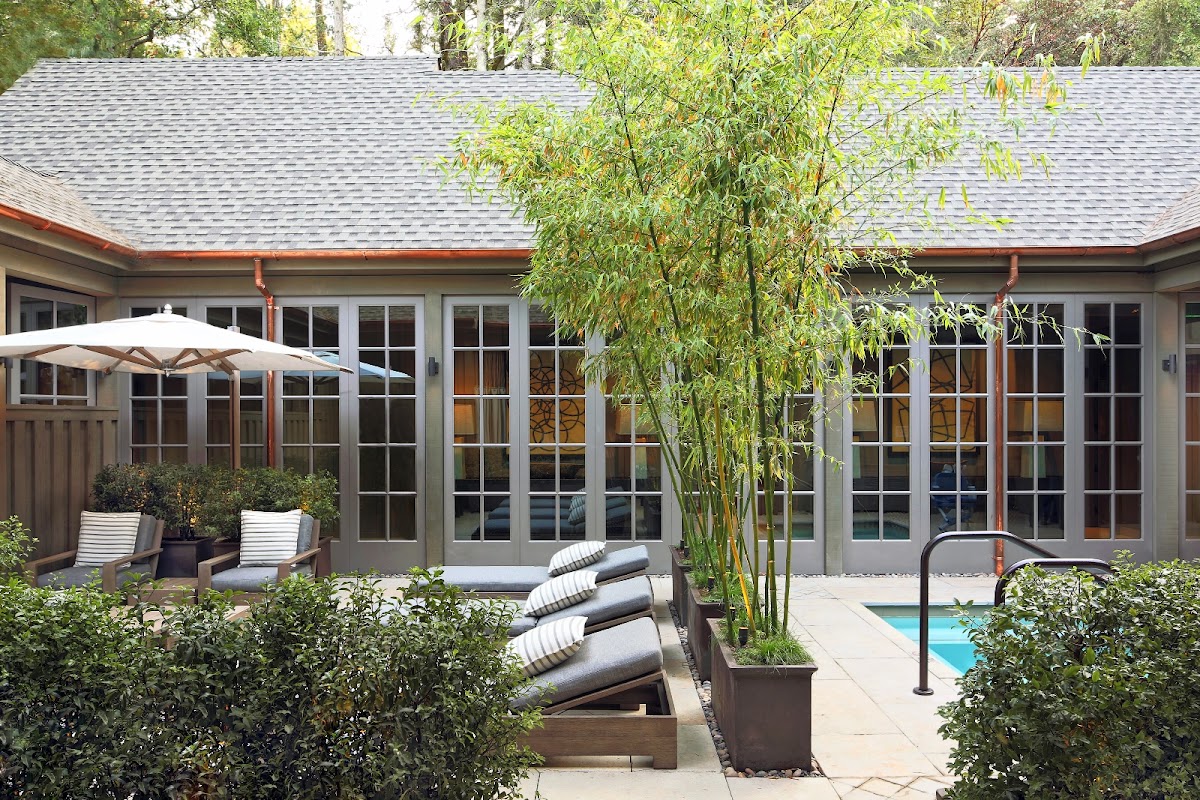
HotelA 250-acre estate on land first settled in 1961, with wood-lined cottages scattered across oak groves.
Discover neighboring regions, each with its own character and wines.
St. Helena is Napa Valley's wine history in concentrated form — home to the oldest continuously operating winery (Beringer, 1876) and California's first tasting room (Charles Krug, 1861). Main Street's walkable mix of tasting rooms, restaurants, and the Culinary Institute of America at Greystone makes it the cultural heart of upper Napa.
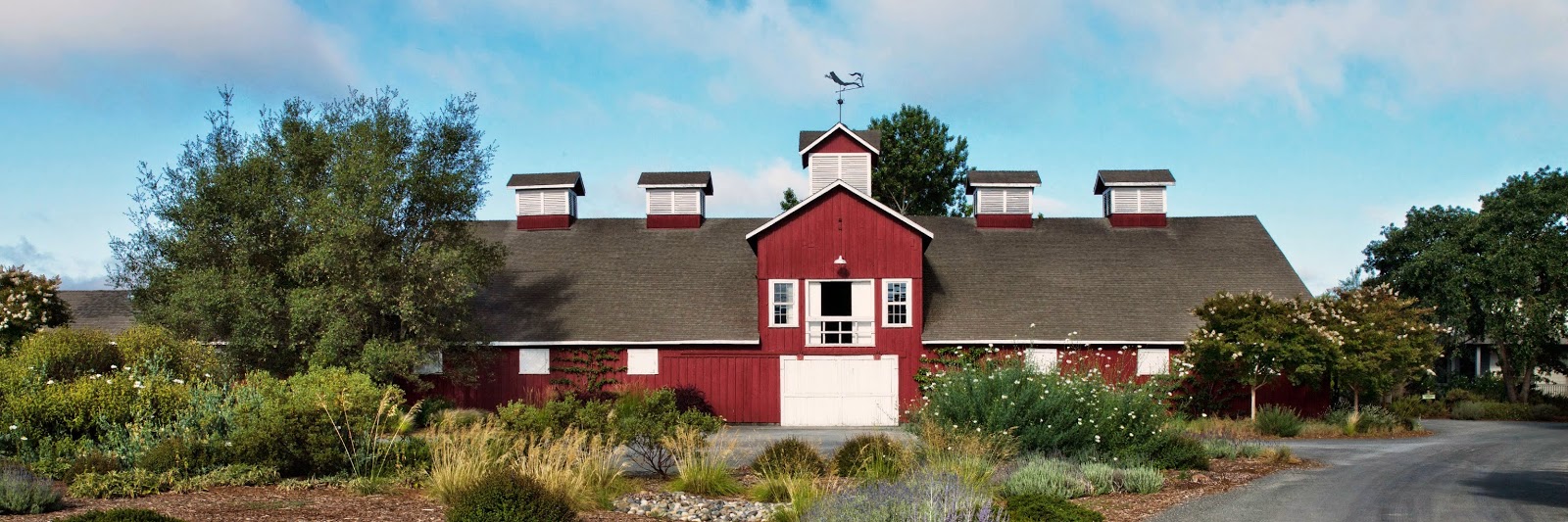
Rutherford is the birthplace of the 'Rutherford Dust' concept — a distinctively earthy, cocoa-like tannin quality in Cabernet Sauvignon coined by legendary winemaker Andre Tchelistcheff. Home to some of Napa's most historically significant estates including Inglenook (1881) and Beaulieu Vineyard (1900).
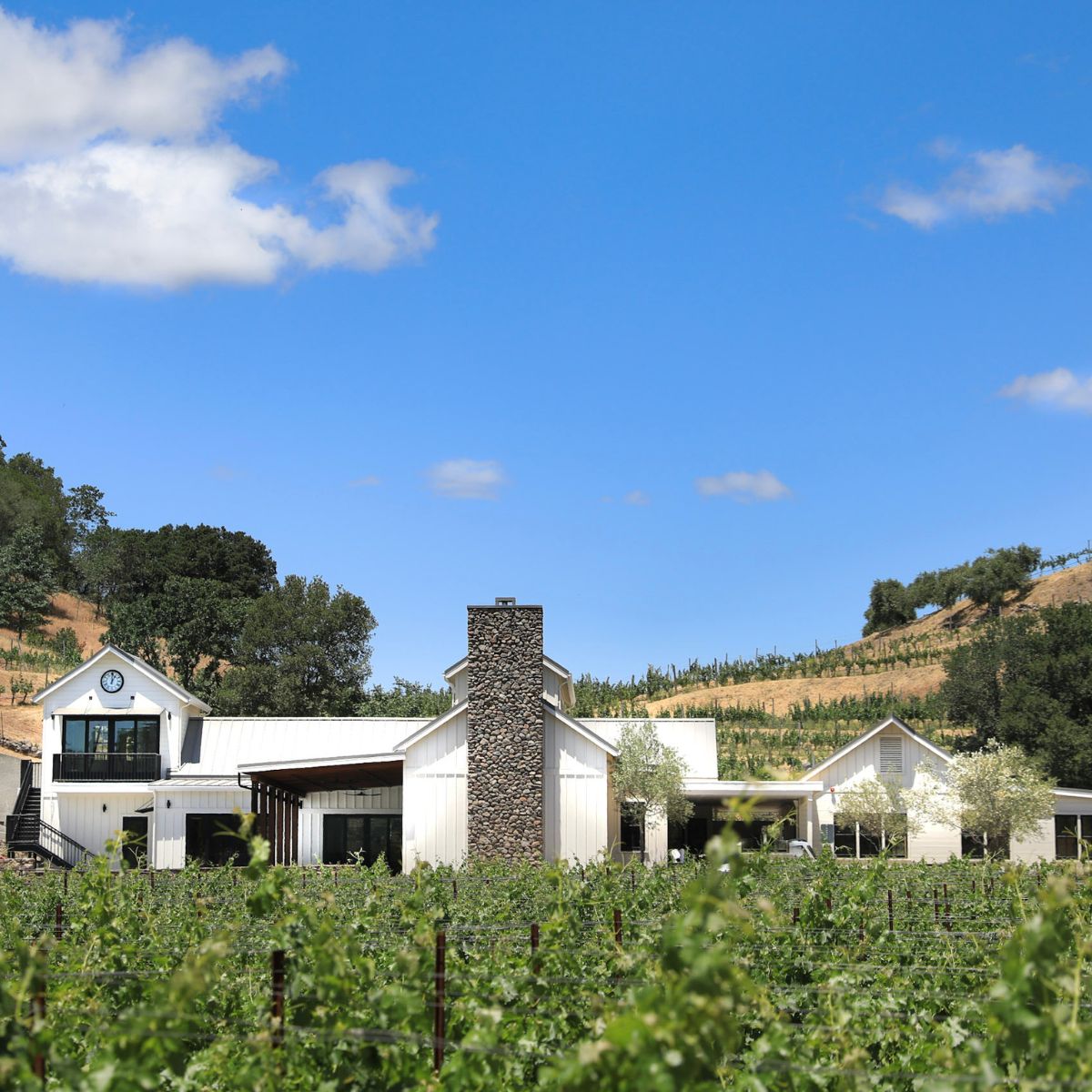
Stags Leap District is where Napa Valley changed world wine history — the 1973 Stag's Leap Wine Cellars Cabernet Sauvignon won the 1976 Judgment of Paris against top Bordeaux. This tiny appellation (3 miles by 1 mile) was the first US AVA designated based on distinct soil qualities.
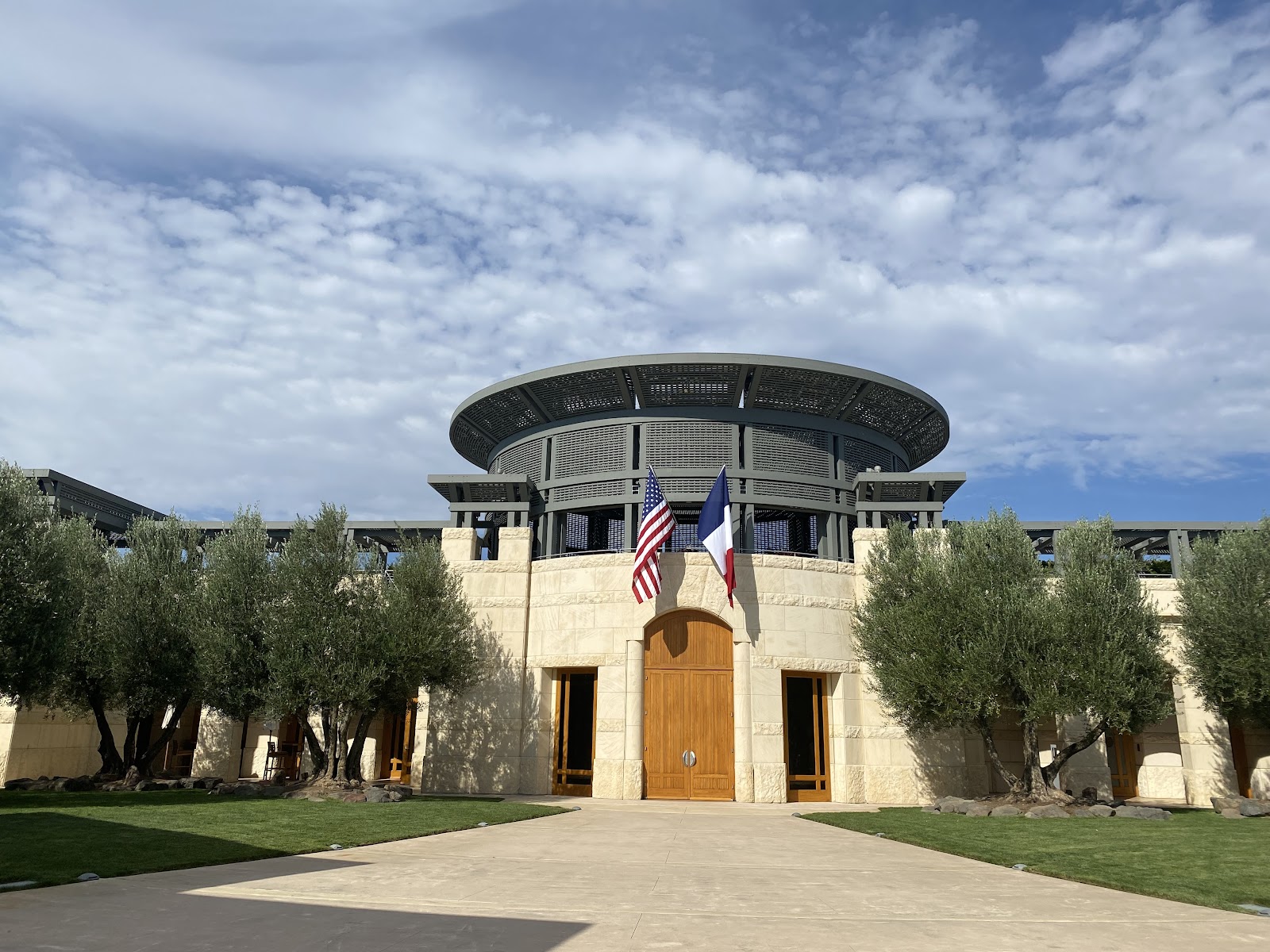
Oakville sits at the crossroads of Napa Valley's most important wine influences — warm enough for powerful Cabernet Sauvignon but cooled enough by bay fog for remarkable finesse. It is home to the legendary To Kalon vineyard (established 1868) and some of Napa's most iconic producers.