Howell Mountain · Napa4.4 · 118
CADE Estate Winery
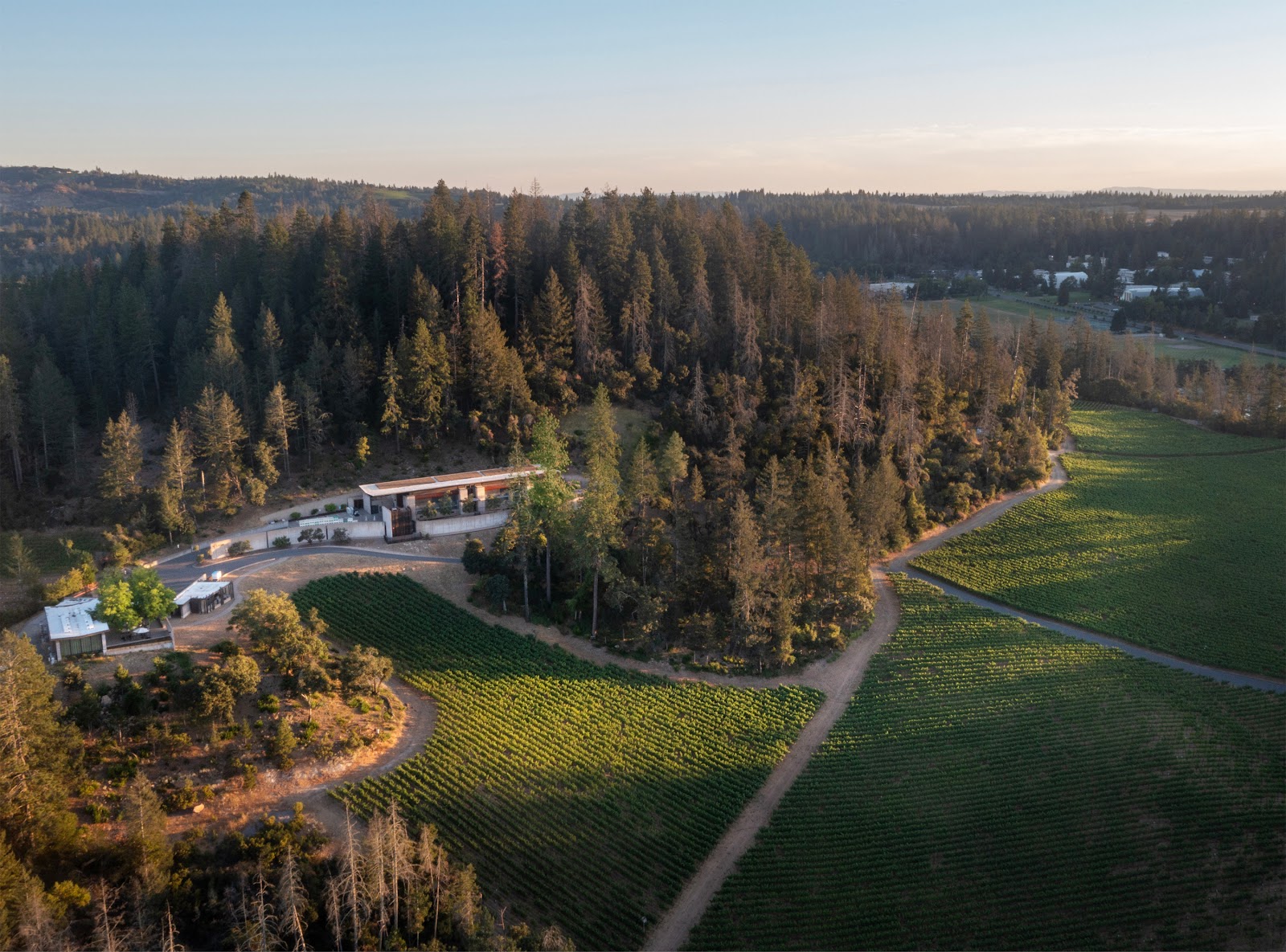
California's first LEED Gold Certified estate winery sits at 1,850 feet on Howell Mountain.
Reservation
$$$From $100
Howell Mountain was Napa's first sub-appellation (1983) and its first mountainous nested AVA. At 1,400 to 2,500 feet, vineyards sit above the fog line with more sunshine hours than the valley floor, producing intensely concentrated Cabernet Sauvignon with firm structure and remarkable aging potential.
Howell Mountain was one of the first sub-regions in Napa Valley to be recognized as distinctive, earning its AVA status in 1983. Sitting above 1,400 feet on the eastern side of the valley, its vineyards rise above the fog line into constant sunshine, producing intensely concentrated wines.
The volcanic soils, high elevation, and ample sunlight create Cabernet Sauvignons and Merlots of remarkable power and structure. Howell Mountain wines are known for their dense, chewy tannins and flavors of dark fruit, iron, and mountain herbs.
Howell Mountain roads are winding and steep — allow extra driving time. Most wineries here are by appointment only. The mountain's thin, nutrient-poor volcanic soils stress the vines, which is exactly what produces the intense concentration in the wines.
Cabernet Sauvignon, Merlot, Zinfandel
Volcanic red clay soils above 1,400 feet with full sun exposure above the fog line
Late spring through fall; limited winery access — plan ahead
2 wineries to explore — sorted by rating, verified wineries first.
California's first LEED Gold Certified estate winery sits at 1,850 feet on Howell Mountain.
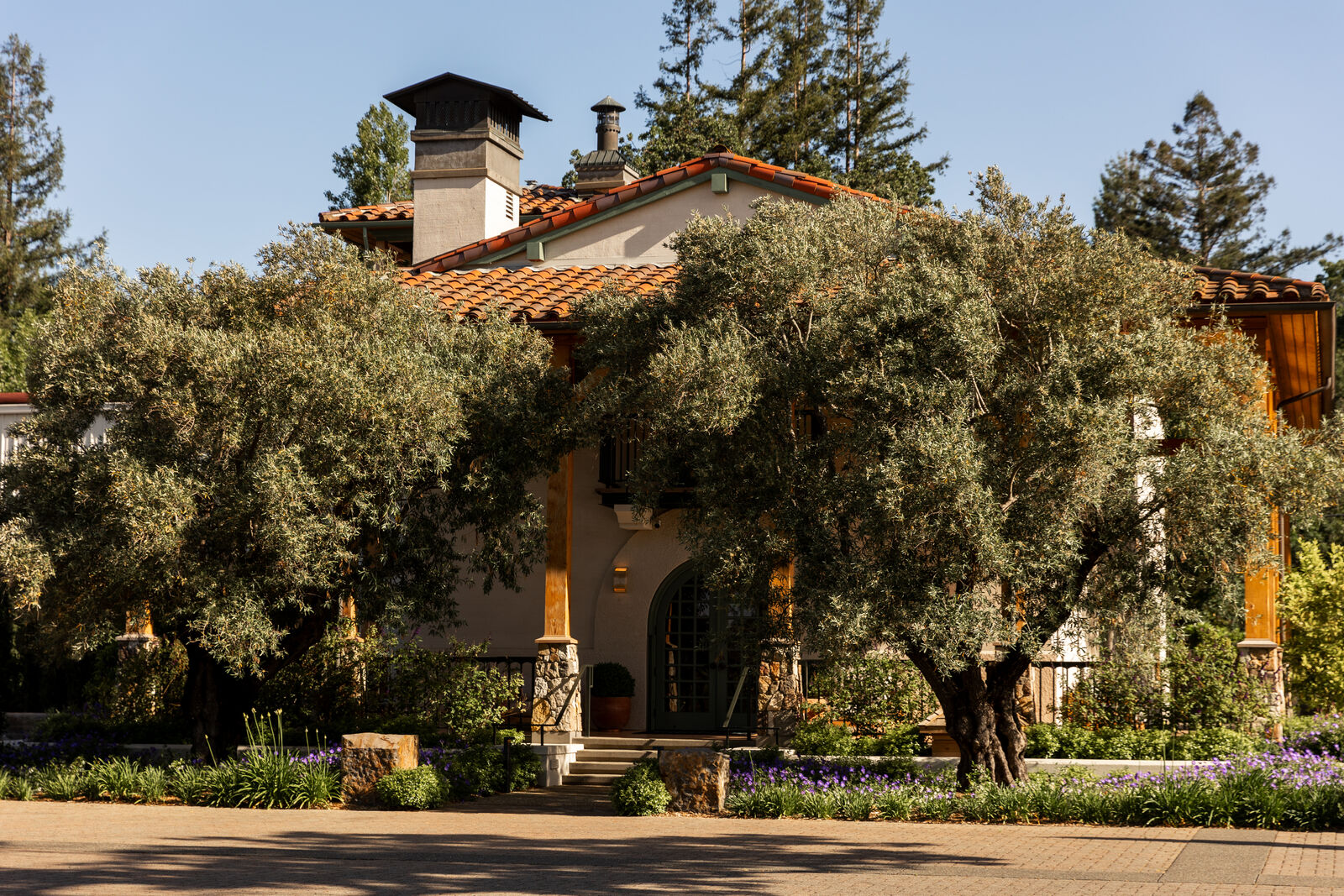
Burgess Cellars operates three regeneratively farmed vineyards on Howell Mountain from a 19th-century site.
 Hotel
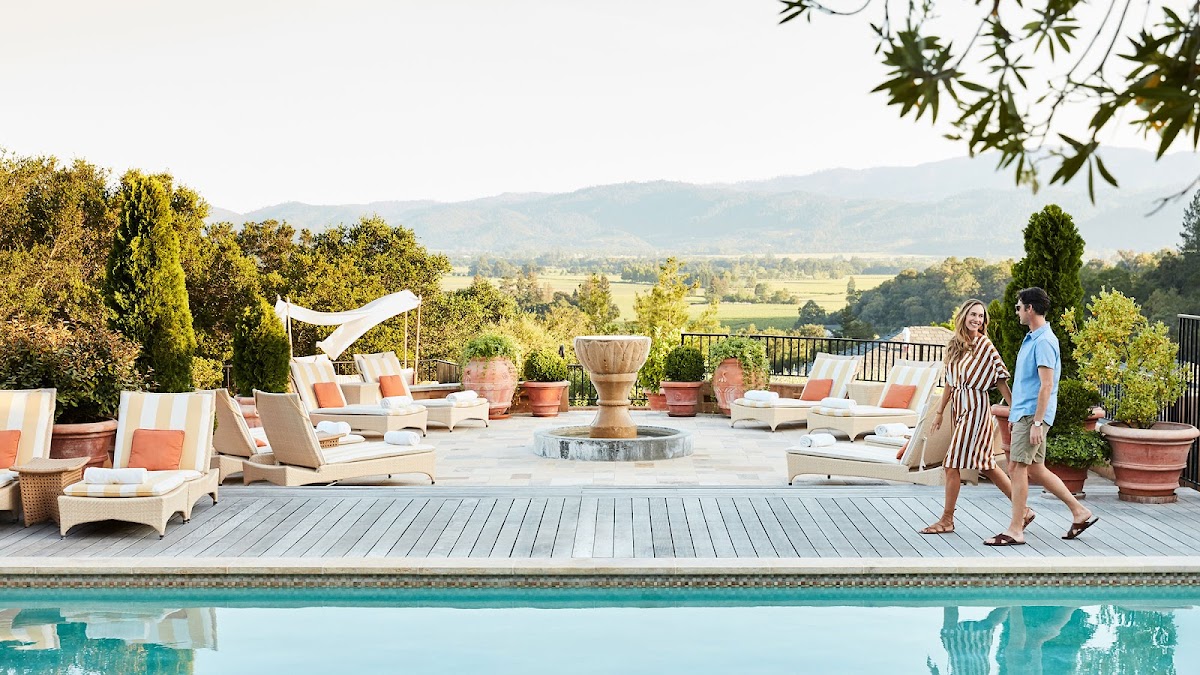
HotelAuberge du Soleil terraces down a Rutherford hillside planted with heritage olive and oak trees.
 Hotel
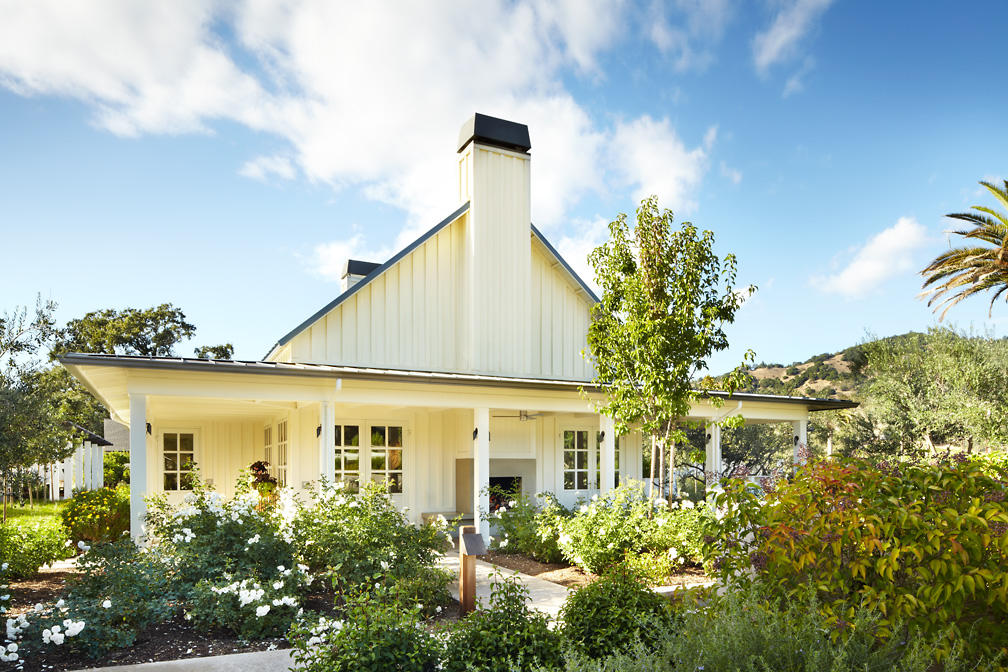
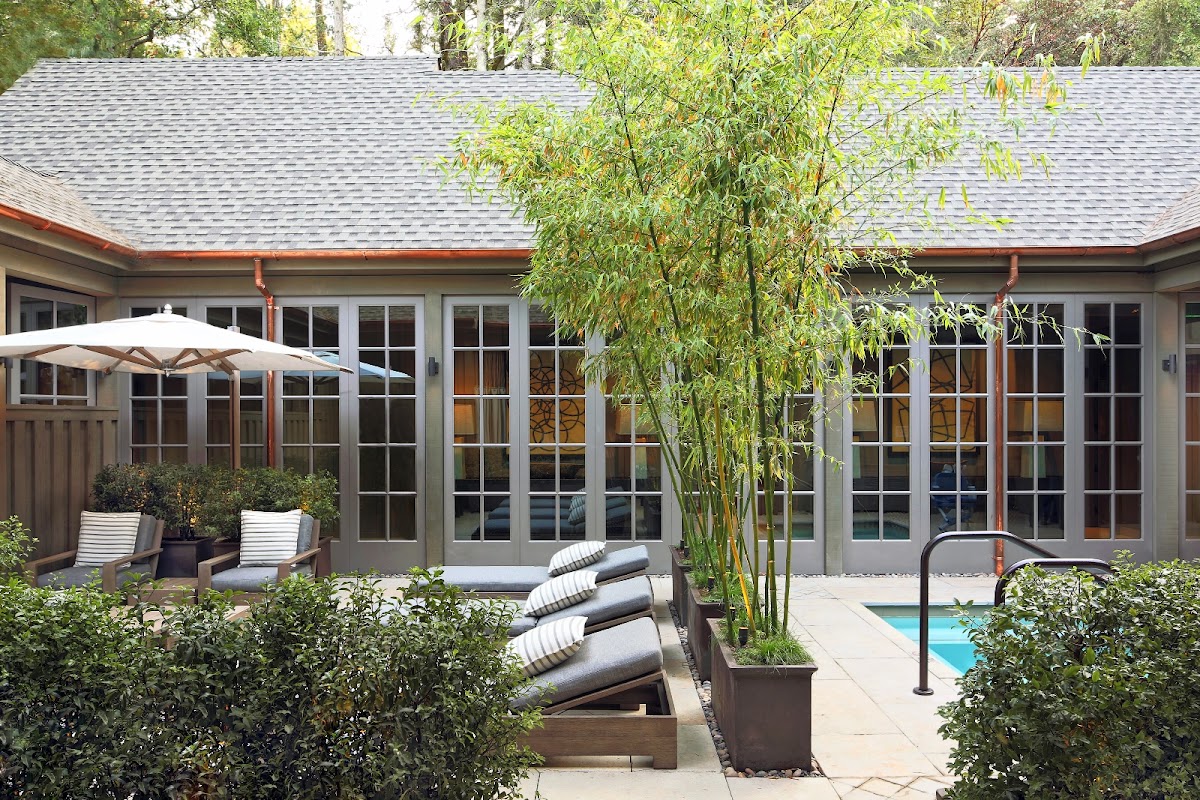
HotelThe 20,000-square-foot spa runs on Calistoga's geothermal water and books out weeks ahead.
 Hotel
HotelA 250-acre estate on land first settled in 1961, with wood-lined cottages scattered across oak groves.
Discover neighboring regions, each with its own character and wines.
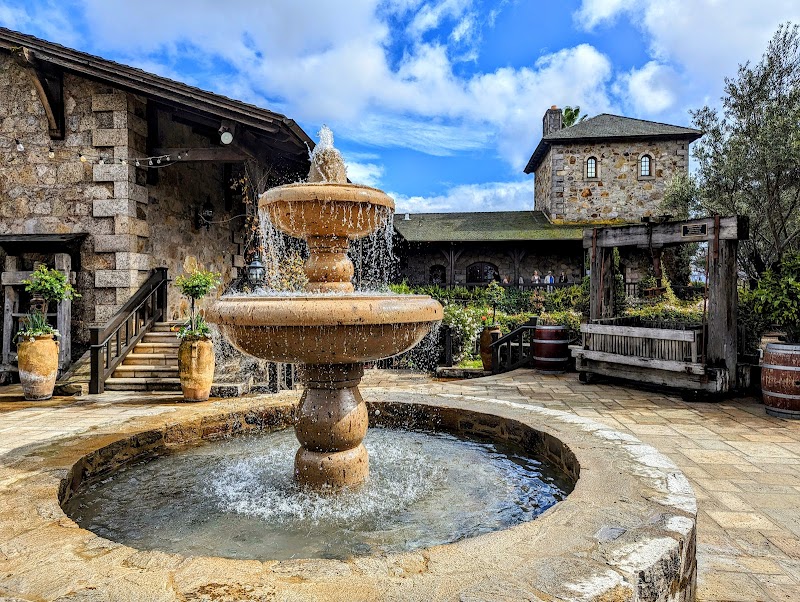
St. Helena is Napa Valley's wine history in concentrated form — home to the oldest continuously operating winery (Beringer, 1876) and California's first tasting room (Charles Krug, 1861). Main Street's walkable mix of tasting rooms, restaurants, and the Culinary Institute of America at Greystone makes it the cultural heart of upper Napa.
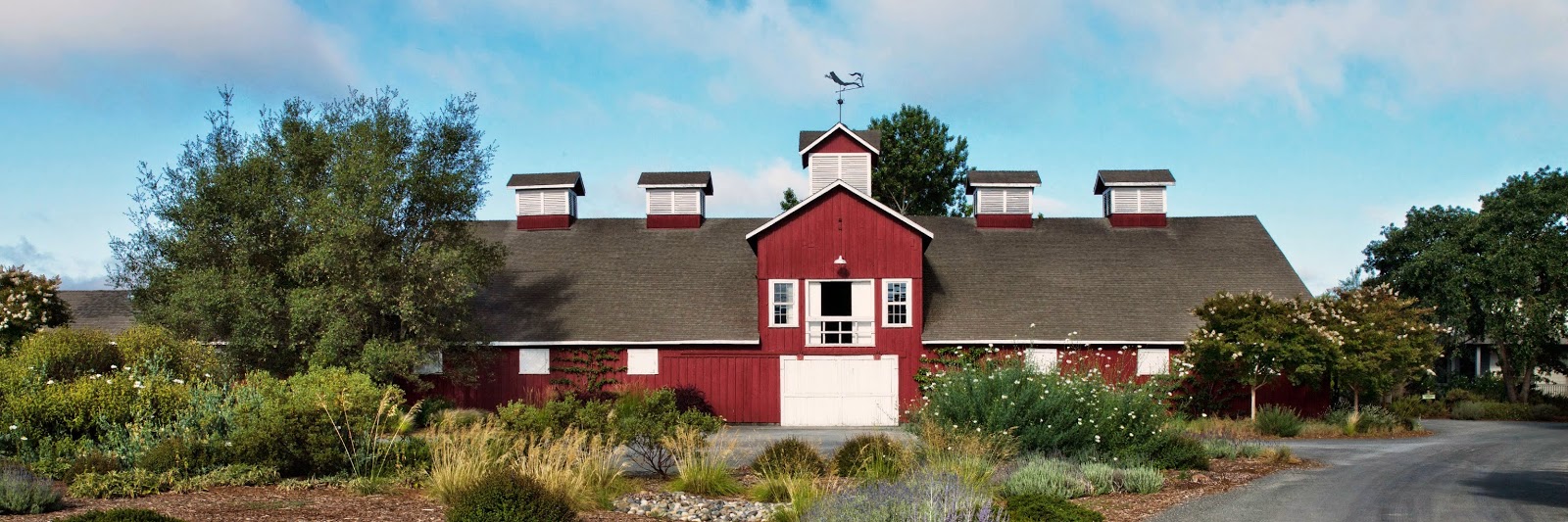
Rutherford is the birthplace of the 'Rutherford Dust' concept — a distinctively earthy, cocoa-like tannin quality in Cabernet Sauvignon coined by legendary winemaker Andre Tchelistcheff. Home to some of Napa's most historically significant estates including Inglenook (1881) and Beaulieu Vineyard (1900).
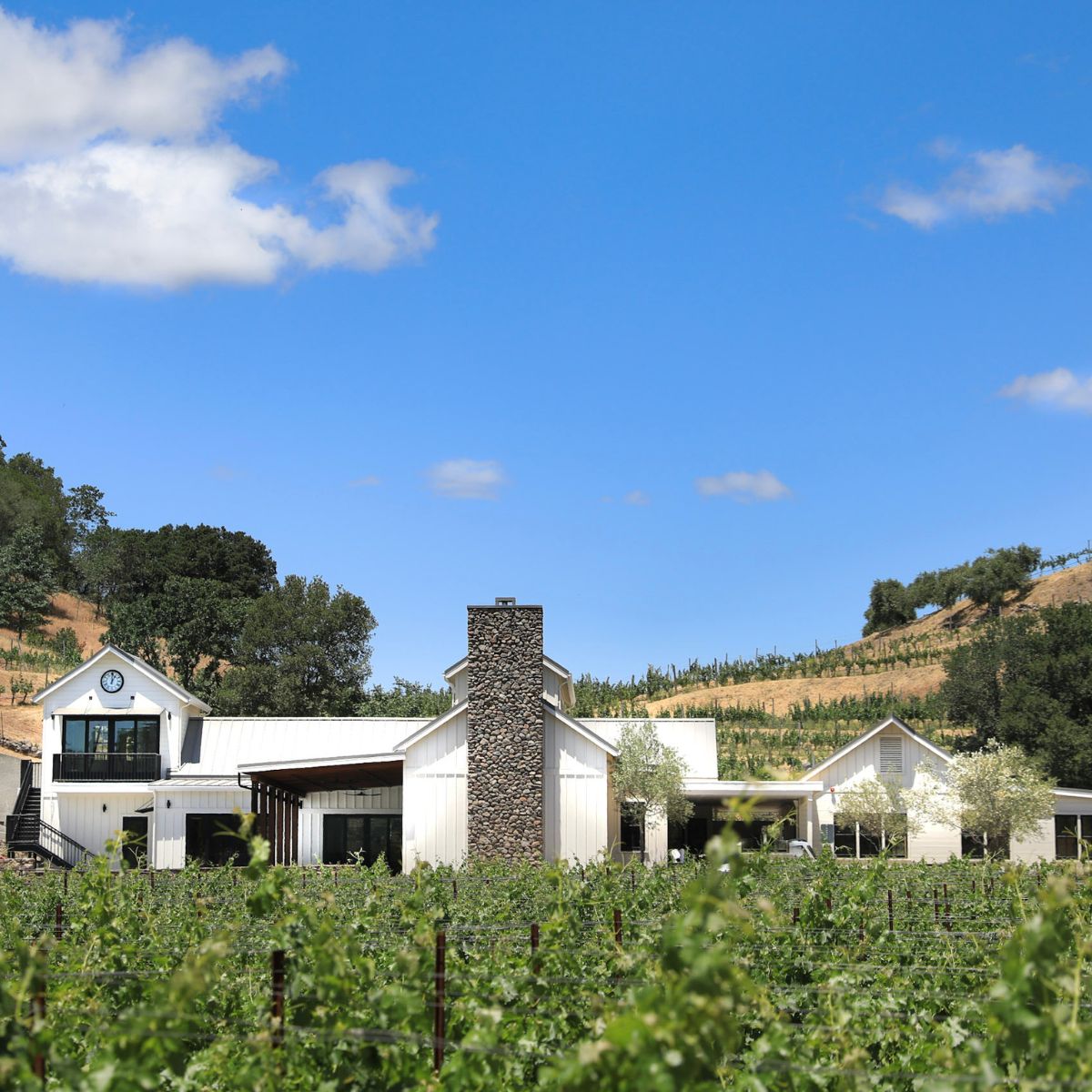
Stags Leap District is where Napa Valley changed world wine history — the 1973 Stag's Leap Wine Cellars Cabernet Sauvignon won the 1976 Judgment of Paris against top Bordeaux. This tiny appellation (3 miles by 1 mile) was the first US AVA designated based on distinct soil qualities.

Oakville sits at the crossroads of Napa Valley's most important wine influences — warm enough for powerful Cabernet Sauvignon but cooled enough by bay fog for remarkable finesse. It is home to the legendary To Kalon vineyard (established 1868) and some of Napa's most iconic producers.