Yountville · Napa4.5 · 156
The Estate Yountville
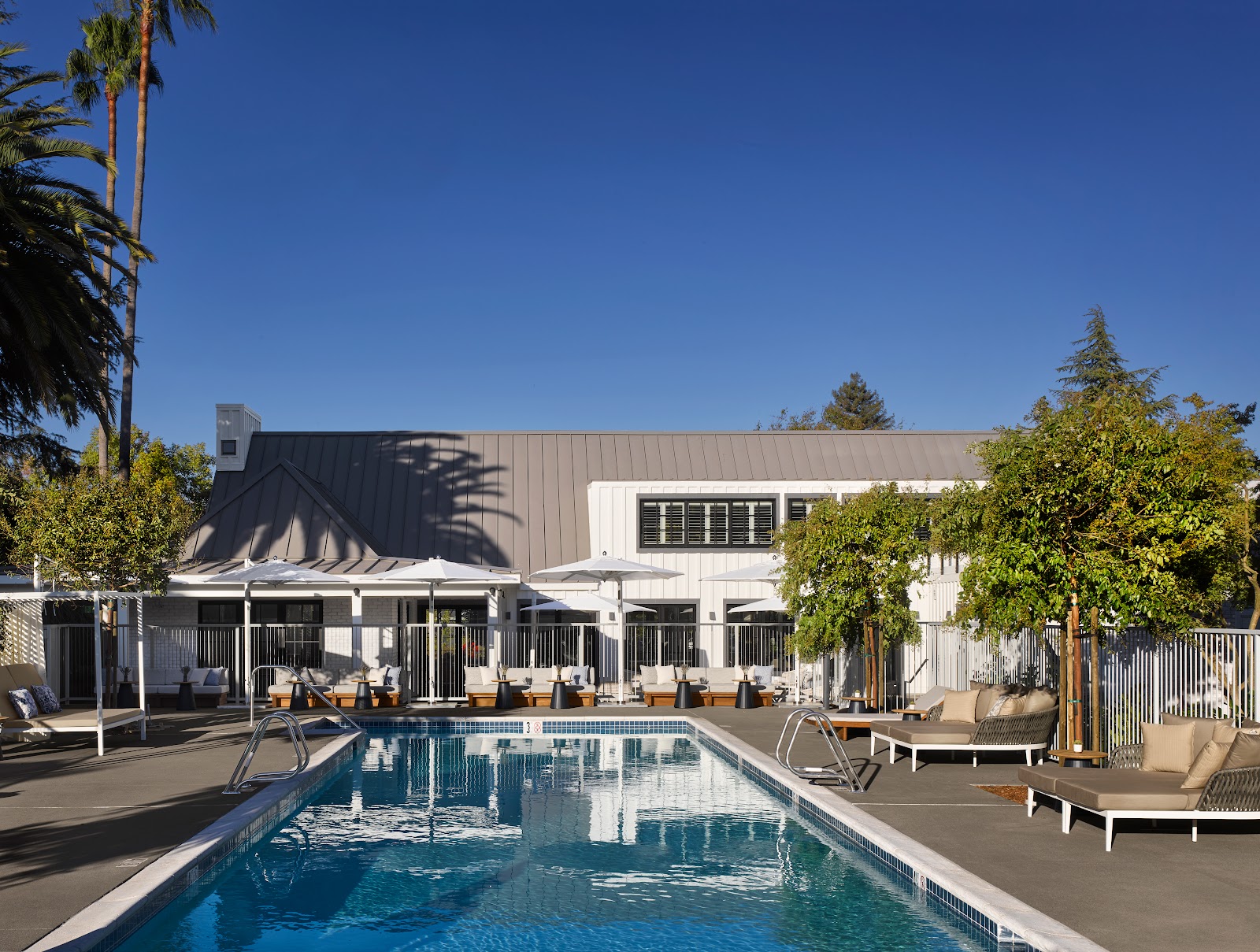
A 22-acre hotel estate with two properties and a private vineyard in downtown Yountville.
ReservationDog OK
$$$Seated
Yountville has more Michelin stars per capita than anywhere else in North America, anchored by Thomas Keller's three-starred French Laundry. Combined with 35 outdoor sculptures on the Art Walk, walkable tasting rooms, and a performing arts theater, it offers the most concentrated cultural experience of any Napa town.
Yountville is Napa Valley's culinary capital, home to multiple Michelin-starred restaurants and a vibrant food scene that makes it the perfect base for a wine country visit. The compact, walkable town punches well above its weight in both dining and tasting experiences.
Slightly cooler than regions to the north, Yountville's moderate temperatures and clay-loam soils produce elegant, food-friendly wines. While Cabernet Sauvignon thrives here, the area also excels with Merlot and Chardonnay, reflecting its transitional climate.
Yountville is the best base camp for a Napa trip. It's centrally located, entirely walkable, and George Yount planted the region's first grapevines here in the 1840s. Book dinner reservations before winery appointments — top restaurants fill weeks ahead.
Cabernet Sauvignon, Merlot, Chardonnay
Clay-loam soils with moderate temperatures and cooling San Pablo Bay influence
Year-round; the culinary scene is excellent in every season
5 wineries to explore — sorted by rating, verified wineries first.
A 22-acre hotel estate with two properties and a private vineyard in downtown Yountville.
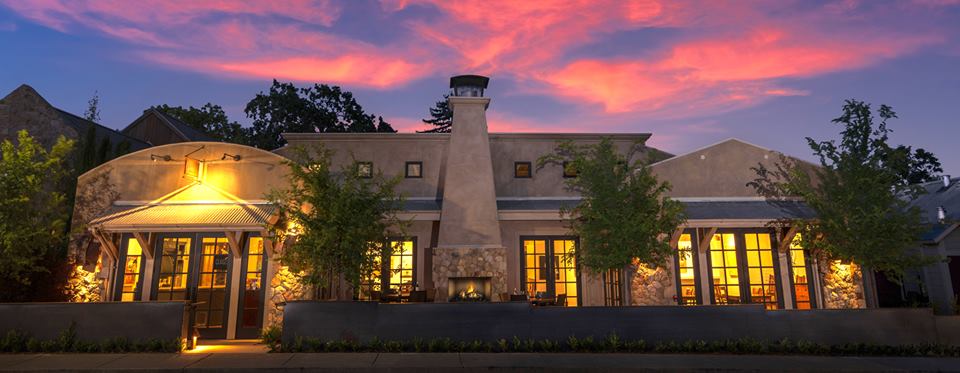
Jessup Cellars operates a rotating fine art gallery alongside its Yountville tasting room.
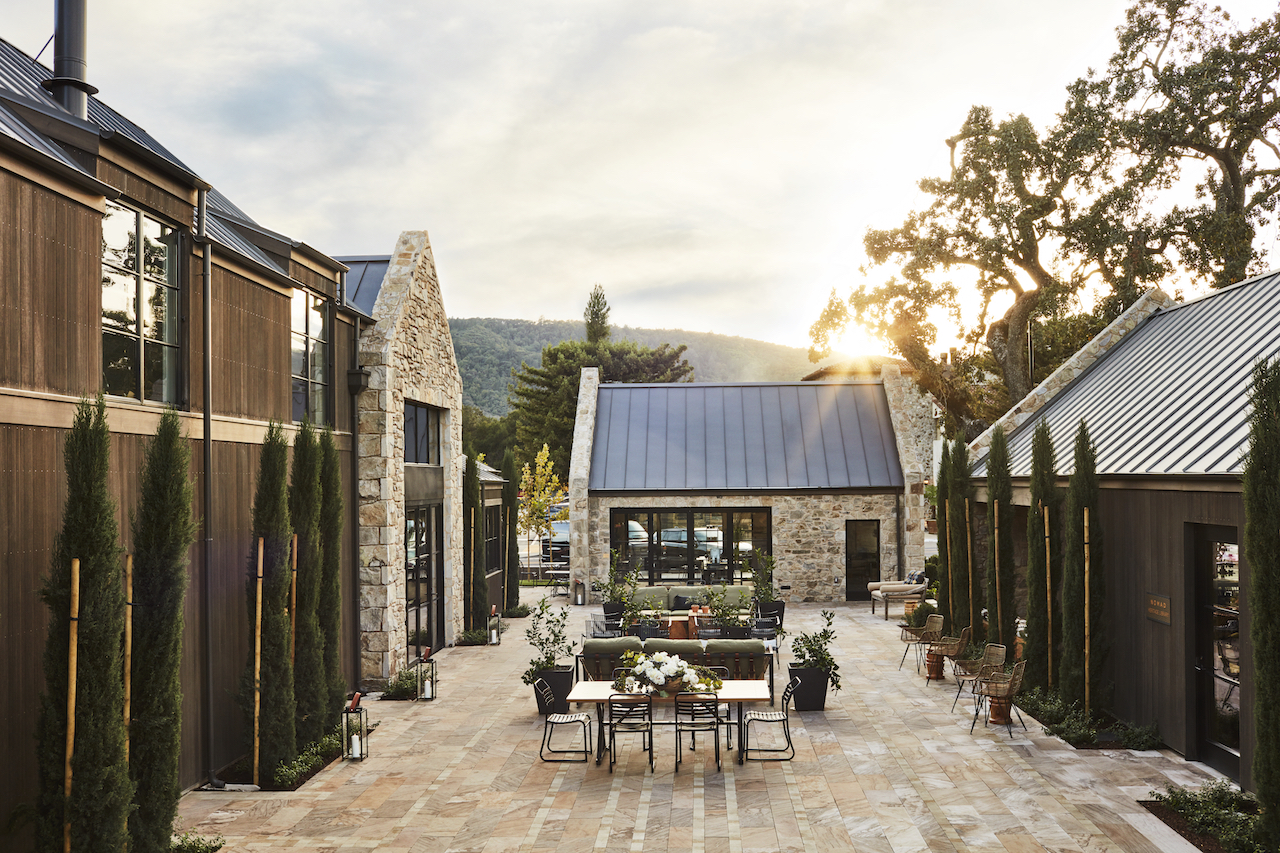
Stewart Cellars sources six single-vineyard Cabernets from Andy Beckstoffer's Heritage Vineyards.
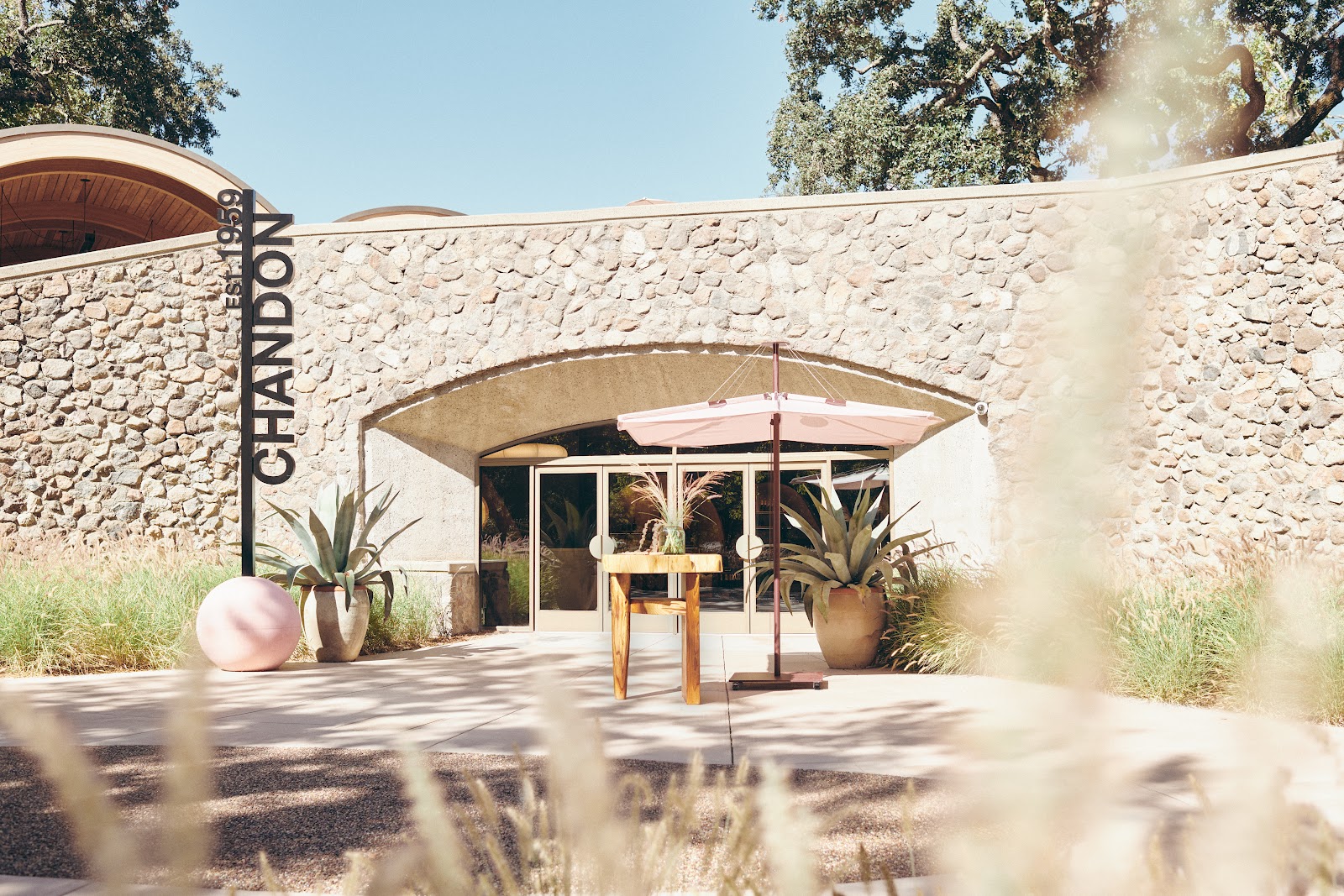
Chandon has produced sparkling wine in Yountville since 1973 using French méthode traditionnelle.
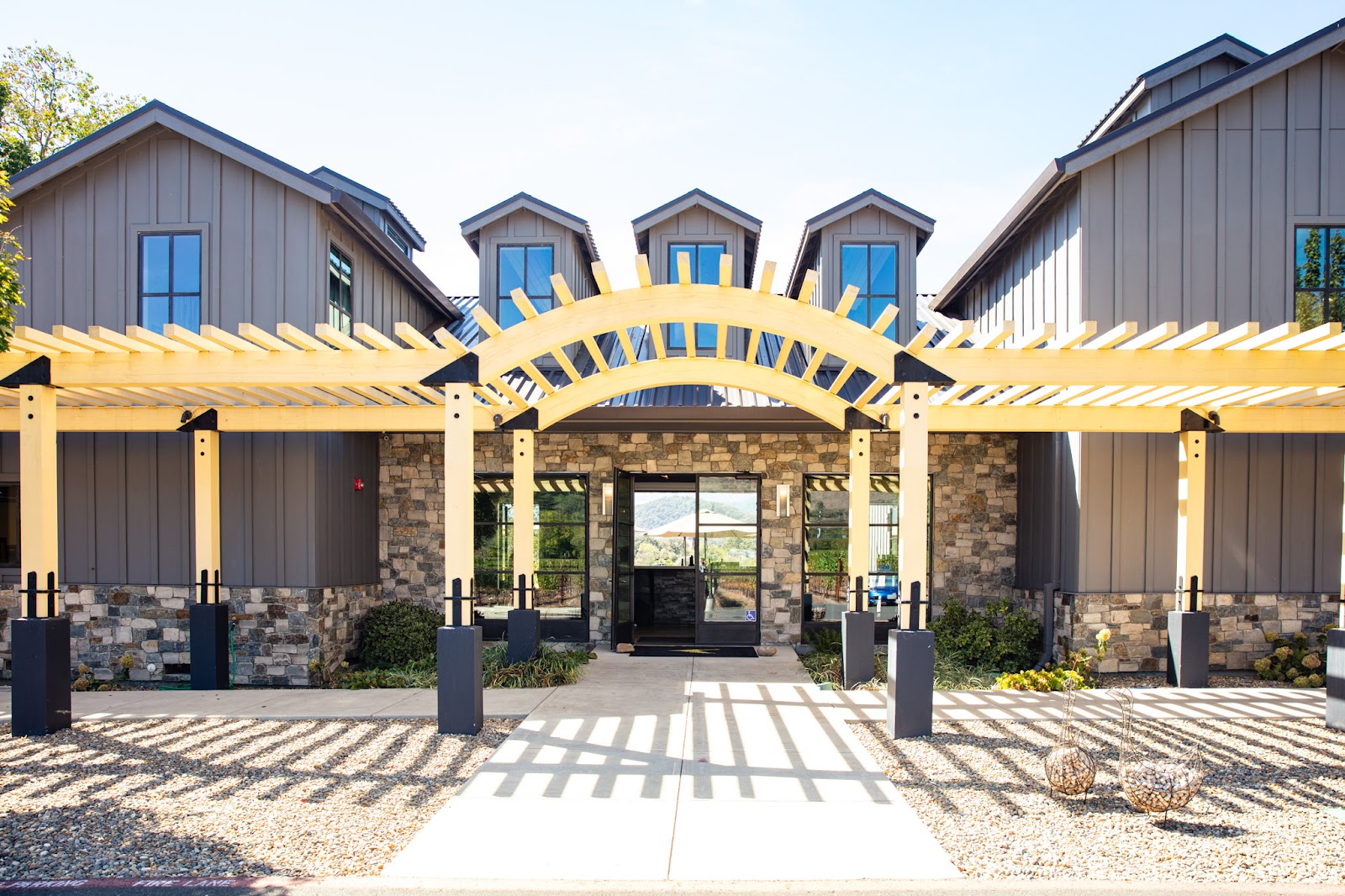
Dave and Christi Ficeli built their family wine legacy in Yountville with a focus on evolution.
 Hotel
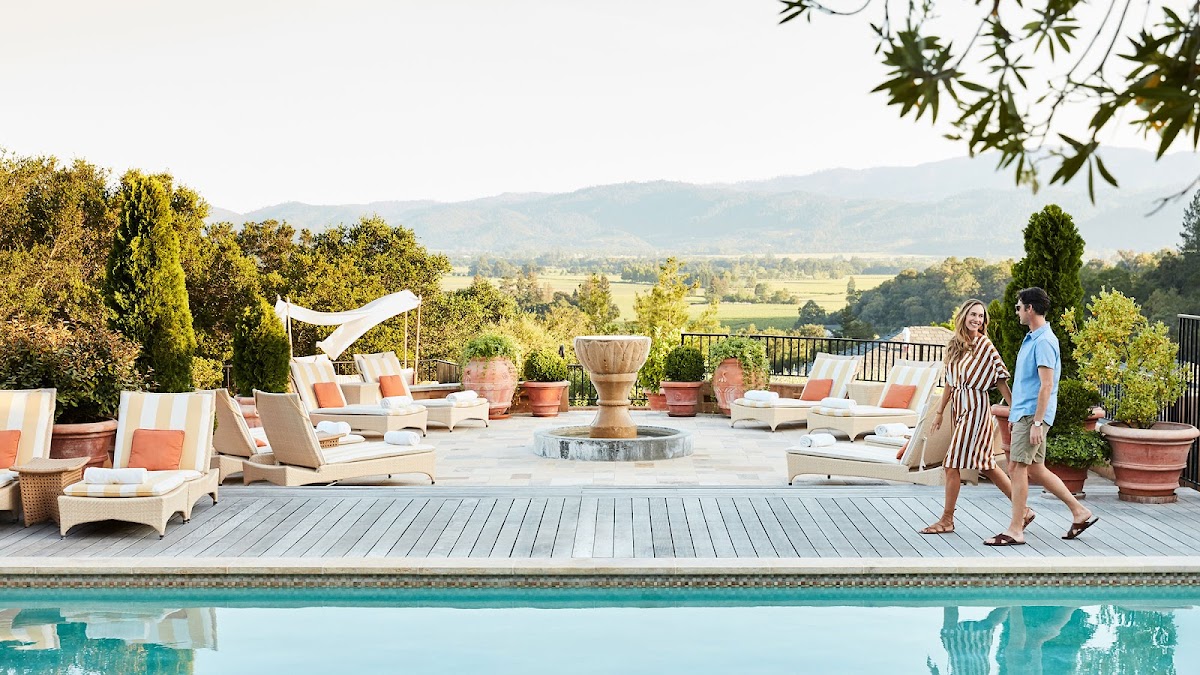
HotelAuberge du Soleil terraces down a Rutherford hillside planted with heritage olive and oak trees.
 Hotel
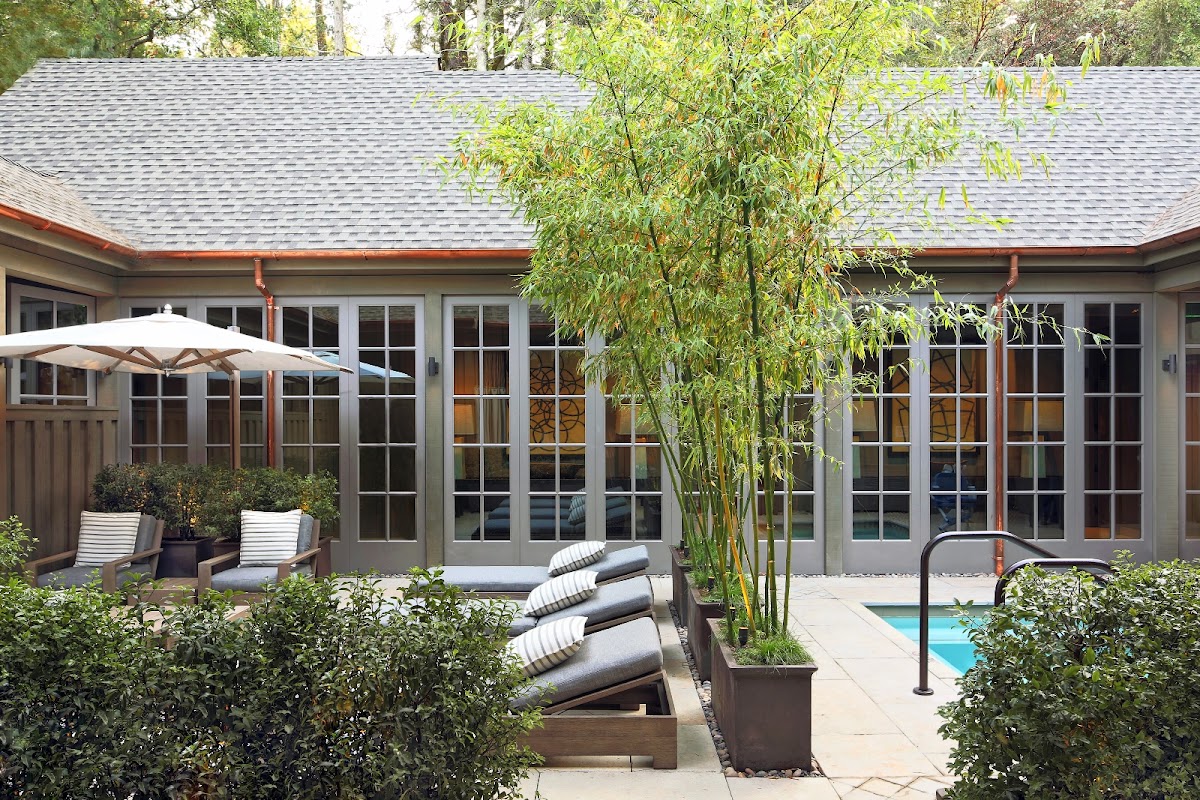
HotelThe 20,000-square-foot spa runs on Calistoga's geothermal water and books out weeks ahead.
 Hotel
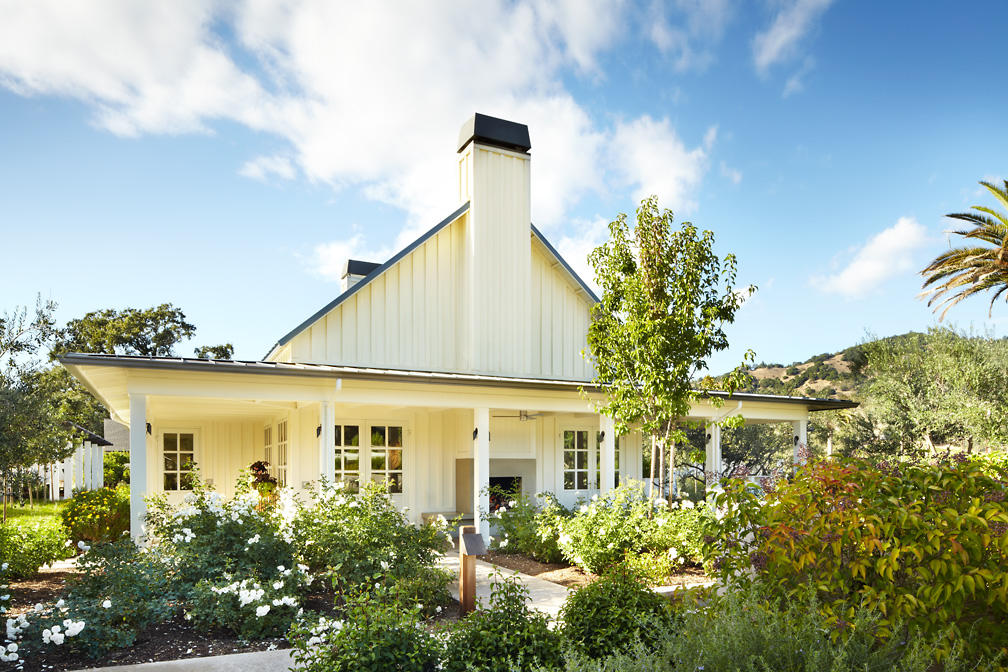
HotelA 250-acre estate on land first settled in 1961, with wood-lined cottages scattered across oak groves.
Discover neighboring regions, each with its own character and wines.
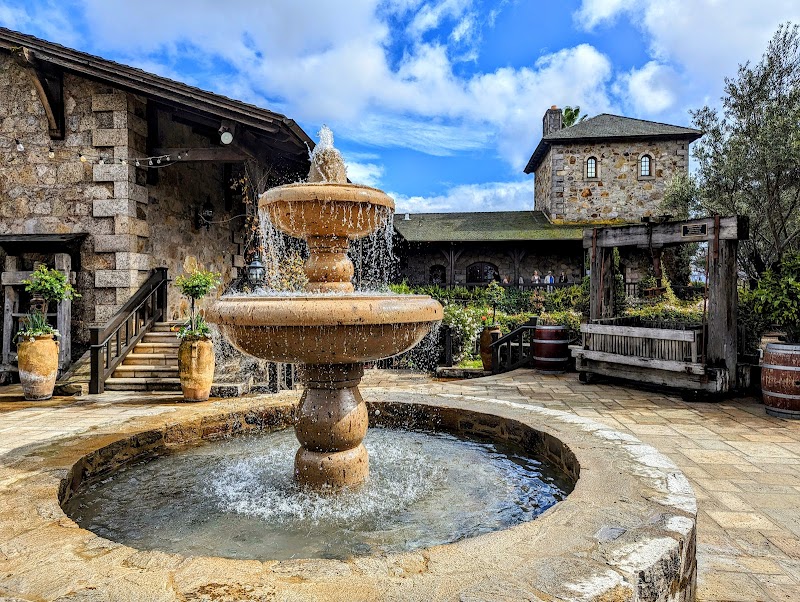
St. Helena is Napa Valley's wine history in concentrated form — home to the oldest continuously operating winery (Beringer, 1876) and California's first tasting room (Charles Krug, 1861). Main Street's walkable mix of tasting rooms, restaurants, and the Culinary Institute of America at Greystone makes it the cultural heart of upper Napa.
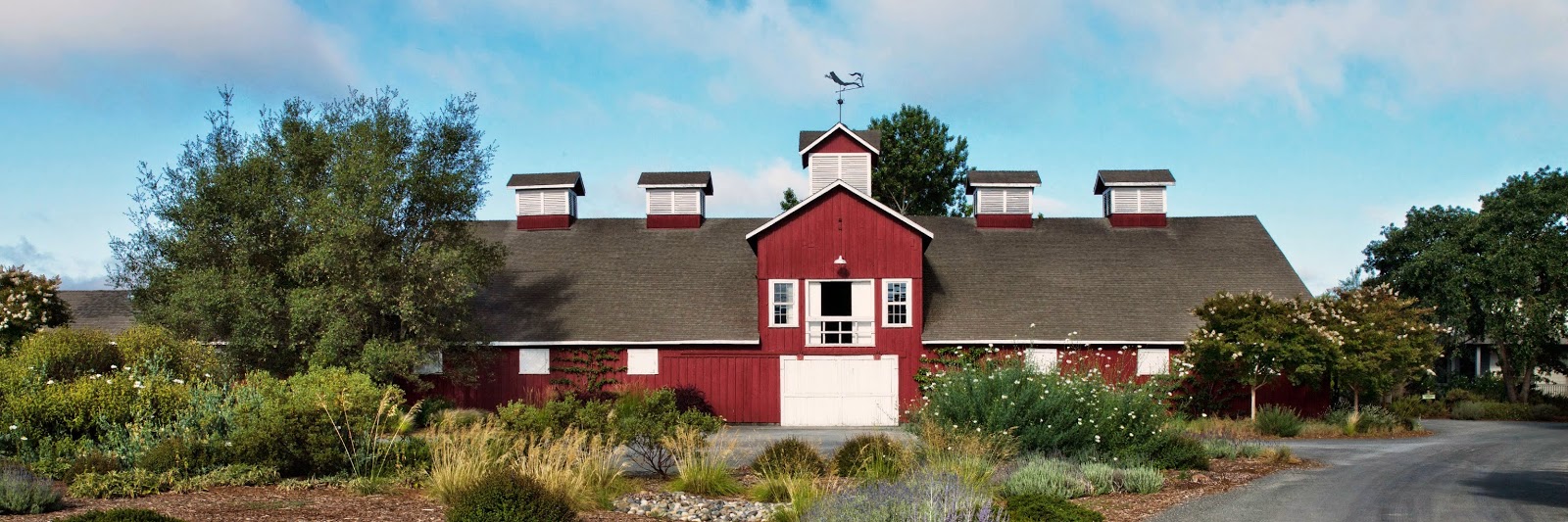
Rutherford is the birthplace of the 'Rutherford Dust' concept — a distinctively earthy, cocoa-like tannin quality in Cabernet Sauvignon coined by legendary winemaker Andre Tchelistcheff. Home to some of Napa's most historically significant estates including Inglenook (1881) and Beaulieu Vineyard (1900).
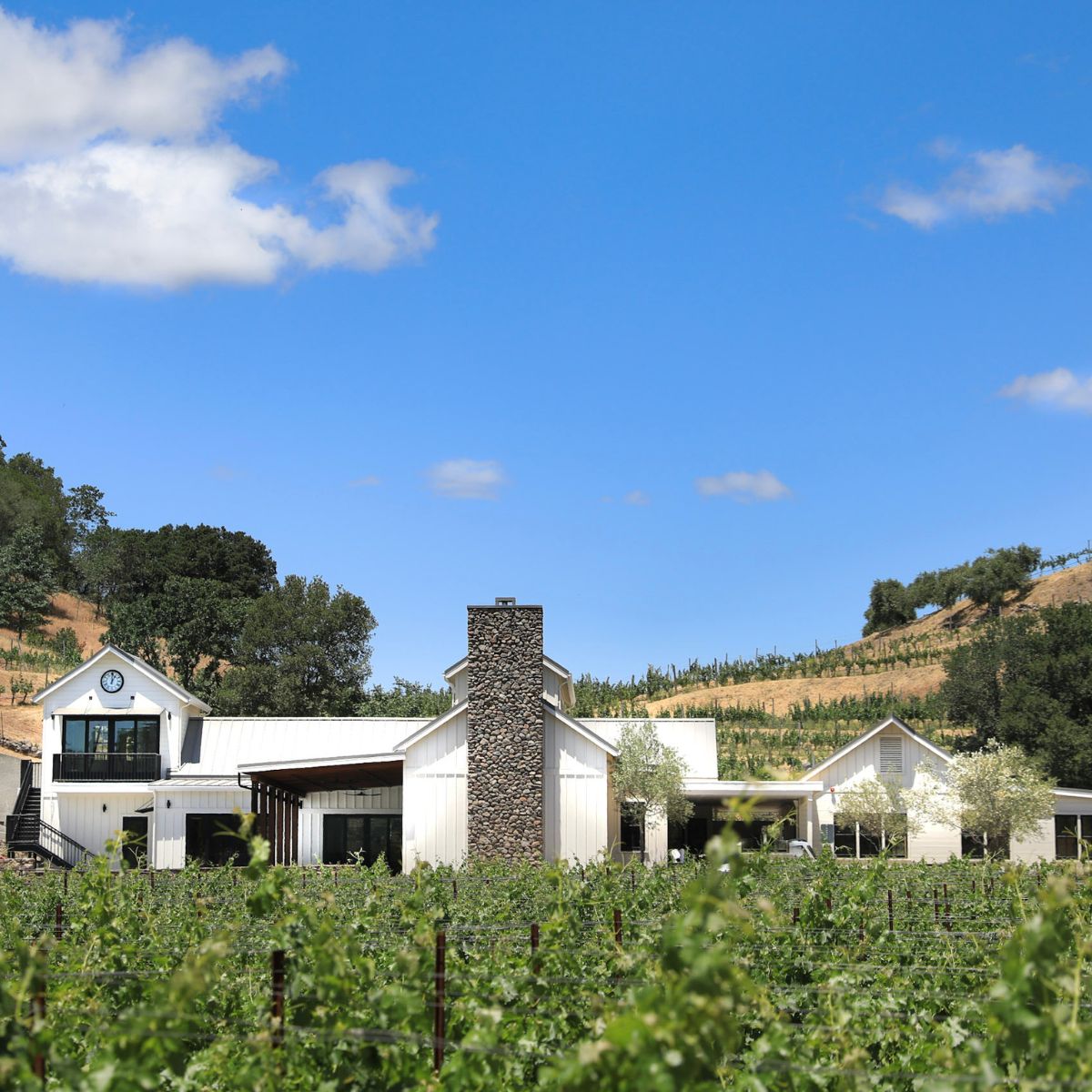
Stags Leap District is where Napa Valley changed world wine history — the 1973 Stag's Leap Wine Cellars Cabernet Sauvignon won the 1976 Judgment of Paris against top Bordeaux. This tiny appellation (3 miles by 1 mile) was the first US AVA designated based on distinct soil qualities.
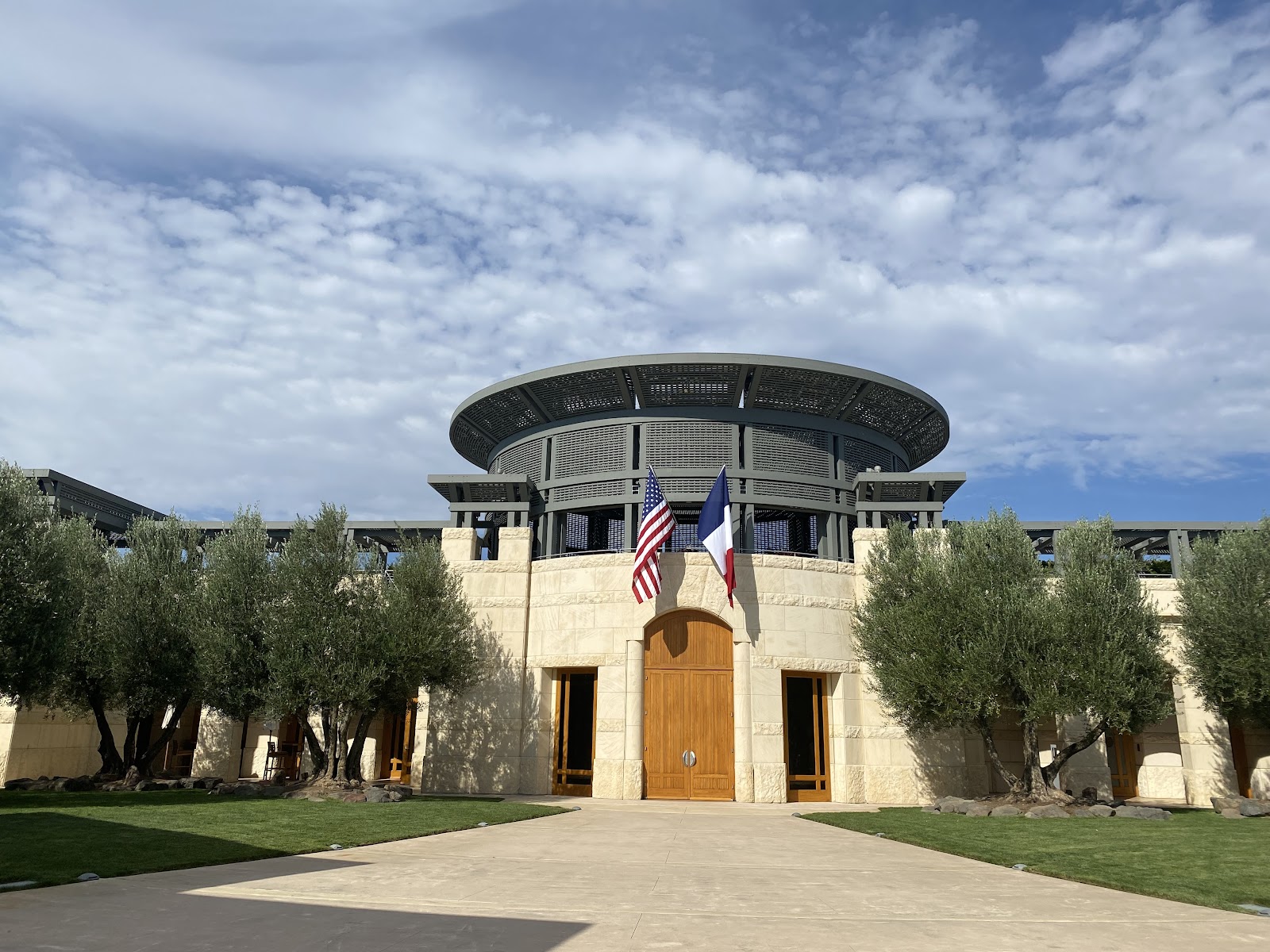
Oakville sits at the crossroads of Napa Valley's most important wine influences — warm enough for powerful Cabernet Sauvignon but cooled enough by bay fog for remarkable finesse. It is home to the legendary To Kalon vineyard (established 1868) and some of Napa's most iconic producers.