Napa Valley AVAs Explained: A Sub-Region Guide
A friendly breakdown of Napa Valley's sub-regions — what makes each AVA unique, what wines they're known for, and which ones to visit based on what you're into.
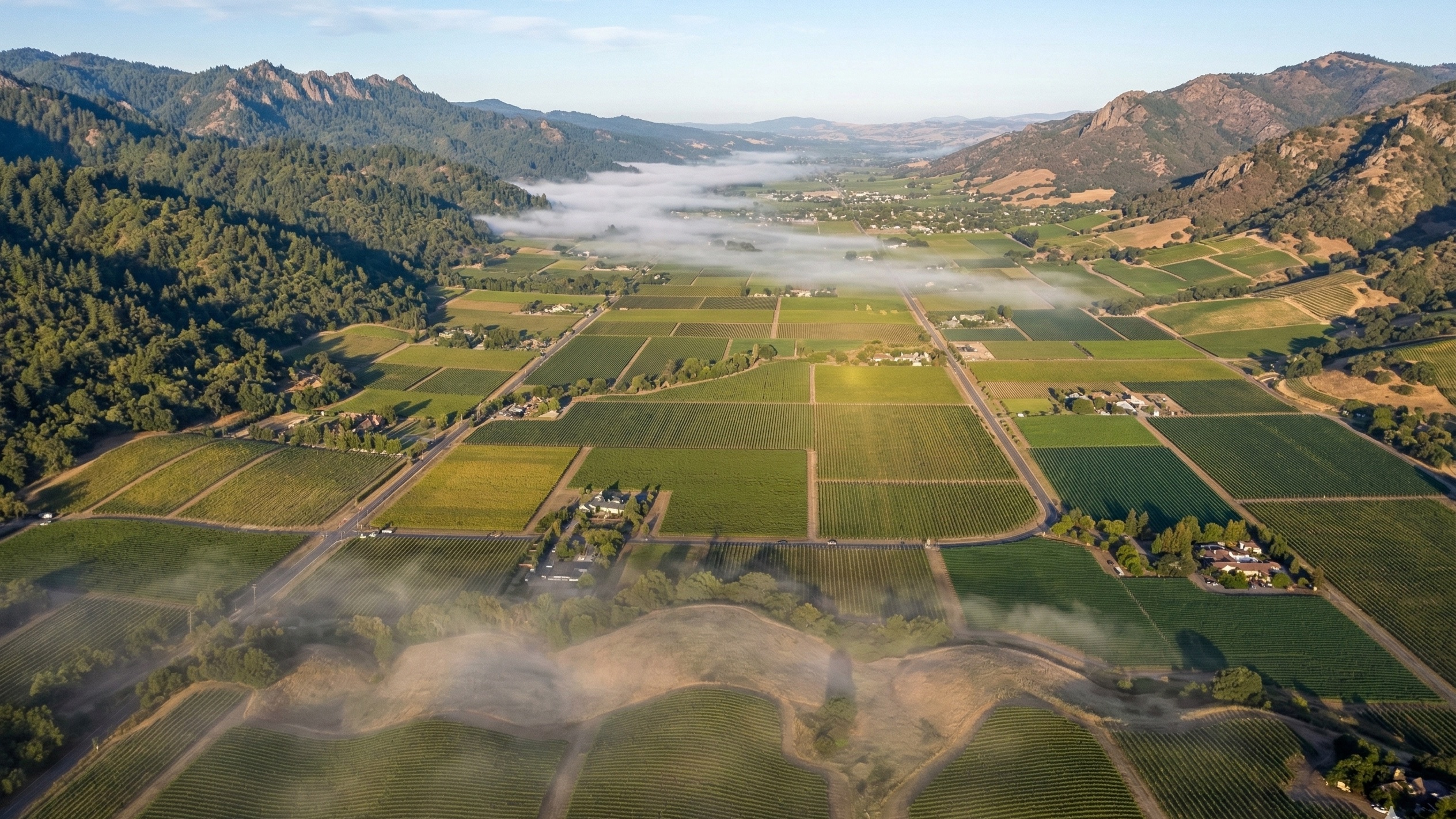
Napa Valley is about 30 miles long and a few miles wide. That doesn't sound like much, but within that narrow strip, the differences in climate, soil, and elevation create wines that taste remarkably different from one end to the other. The AVA system is how those differences are mapped out.
Understanding the AVAs isn't required to enjoy a visit, but it does make the experience more interesting — like knowing which neighborhoods to explore in a city you're visiting for the first time.
What's an AVA, Anyway?
AVA stands for American Viticultural Area. It's an officially designated wine grape-growing region defined by geographic features — things like climate, soil type, elevation, and physical boundaries. Think of it as a way of saying "the grapes grown here share something in common because of where they are."
When a wine label says "Rutherford" or "Stags Leap District," it means at least 85 percent of the grapes came from that specific area. It's a geography label, not a quality rating. But because geography shapes flavor so directly in wine, knowing the AVA tells you a lot about what's in the glass.
Napa Valley itself is one big AVA. Inside it, there are 16 smaller sub-AVAs, each with its own character. Here are the ones that matter most for planning a visit.
The Valley Floor AVAs
These run north to south along the main corridor of Napa Valley. They're the most accessible and where the majority of wineries are located.
Calistoga
Calistoga sits at the northern end of the valley, where the mountains close in and trap heat. It's one of the warmer spots in Napa, which makes it ideal for bold, powerful Cabernet Sauvignon and Petite Sirah. The wines here tend to be rich, ripe, and full-bodied.
The town of Calistoga has a laid-back, small-town feel — hot springs, local shops, and a pace that's noticeably slower than the middle of the valley. Wineries here range from iconic estates to small family operations, and the overall vibe is more casual than, say, Oakville or Rutherford.
Best for: People who love big, bold reds and want a more relaxed atmosphere.
St. Helena
St. Helena is the charming small town at the heart of Napa Valley. The AVA surrounding it produces excellent Cabernet Sauvignon with a balance of power and elegance — the warmth gives ripeness, but the wines often have a polish that sets them apart.
The town itself is walkable and has great restaurants, shops, and a handful of tasting rooms right on Main Street. It's a natural base for a day of tasting, with wineries clustered closely on all sides.
Best for: People who want great wine and a cute town to explore between tastings.
Rutherford
Rutherford is where the phrase "Rutherford Dust" comes from — a quality in the Cabernet Sauvignon from this area that's often described as a distinctive earthiness or cocoa-like character in the finish. It's one of those things that sounds abstract until you taste it side by side with a Cab from another AVA, and then it clicks.
This is historic Napa wine country. Some of the valley's most established and celebrated wineries are here, and the Cabernet is among the most sought-after in the world. Tastings tend to be on the higher end price-wise, but the quality backs it up.
Best for: Cabernet lovers who want to taste what makes Napa Cab legendary. The Cabernet Sauvignon guide goes deeper on the best spots.
Oakville
Oakville sits just south of Rutherford and shares some of the same fame for world-class Cabernet Sauvignon. The wines here are powerful, structured, and age-worthy — these are bottles that collectors seek out.
Oakville is home to some of Napa's most prestigious names. Tastings at the top estates here are an investment ($75 to $125 or more per person), but the experience — the wines, the grounds, the history — matches the price. There are also smaller producers in Oakville that offer more intimate tastings at lower price points.
Best for: Serious wine enthusiasts who want to taste at some of Napa's most iconic estates.
Yountville
Yountville is known as much for its food scene as its wine. The town is home to several acclaimed restaurants and is one of the most walkable spots in the valley. The AVA itself is one of the cooler areas on the valley floor, which adds a bit more finesse and brightness to the wines — still great Cabernet, but also strong Merlot and some excellent sparkling wine.
Several tasting rooms in downtown Yountville make it easy to taste without driving between stops, which is a real plus for a budget-conscious or car-free visit.
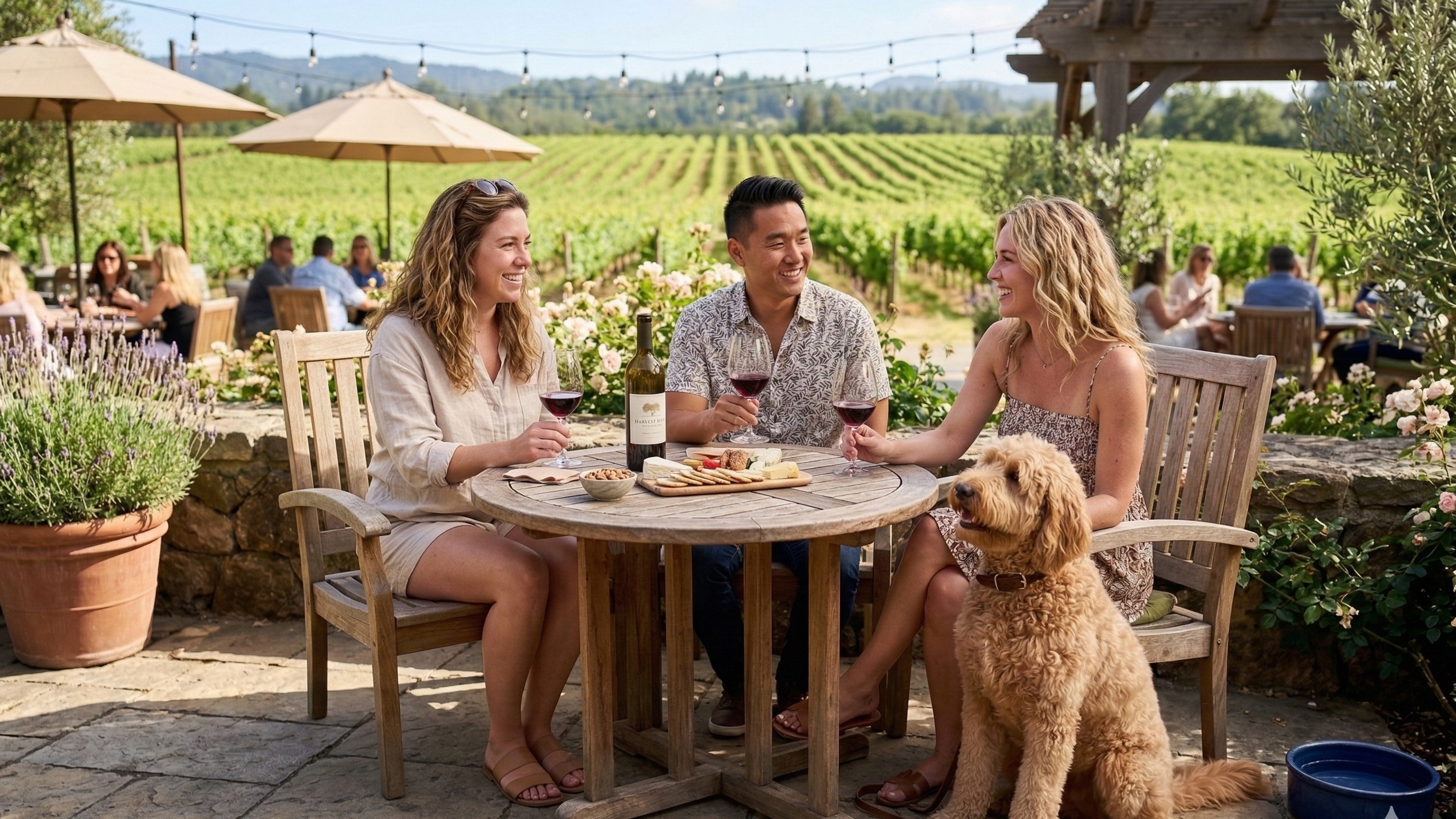
Yountville is also one of the areas where you'll find dog-friendly wineries — the outdoor tasting setups and relaxed patios in this part of the valley lend themselves to four-legged visitors.
Best for: Food-and-wine people who want a walkable day with great restaurants and tasting rooms close together.
Stags Leap District
Stags Leap District earned its fame in 1976 when wines from this area beat top French Bordeaux in the famous Judgment of Paris blind tasting. The Cabernets here are known for being powerful but approachable — often described as having a velvety texture and dark fruit character with firm but not aggressive tannins.
The palisades (dramatic rocky cliffs) on the eastern side of the district create a unique microclimate, trapping afternoon heat and then cooling down in the evening. That temperature swing gives the grapes a balance of ripeness and acidity that shows up clearly in the wine.
Best for: Anyone interested in the history of California wine and Cabernets that are bold but polished.
The Mountain AVAs
Mountain vineyards sit above the fog line and valley floor heat, producing wines with a very different character — more concentrated, with firmer structure and often more complexity.
Howell Mountain
Howell Mountain, on the eastern side of the valley above St. Helena, was one of Napa's first recognized AVAs. Vineyards here sit above 1,400 feet, above the fog line that blankets the valley floor on summer mornings. That means more direct sunlight and wider temperature swings.
The wines — primarily Cabernet Sauvignon and Merlot — are intense, tannic, and built to age. They can be a little more rugged and structured than valley floor wines, which is the whole appeal. These are wines with real grip.
Best for: Experienced wine drinkers who appreciate powerful, structured reds that reward patience.
Mount Veeder
On the western side of the valley, Mount Veeder vineyards climb into the Mayacamas Mountains. The volcanic soils and steep terrain produce wines with remarkable concentration and minerality. Yields are low — the vines have to work hard — and the resulting wines are deeply flavored with firm tannins.
Mount Veeder Cabernets often have an herbal, almost savory quality alongside the dark fruit — think dried herbs, iron, and dusty earth. Visiting here means winding mountain roads and smaller production wineries, which makes it feel like a different world from the valley floor.
Best for: Adventurous tasters who want to see a different side of Napa, both literally and in the glass.
Atlas Peak
Atlas Peak sits at high elevation on the eastern side of the valley. Like other mountain AVAs, the vineyards here benefit from intense sun and cool nights. The volcanic soils produce Cabernet Sauvignon and other Bordeaux varieties with deep color, firm tannins, and a mineral backbone.
Atlas Peak is less visited than the valley floor, which means smaller crowds and a more secluded experience. The drive up offers some of the best views in the entire valley.
Best for: People who want mountain wines and panoramic views without the crowds.
The Cool-Climate AVA
Los Carneros
Carneros straddles the southern end of both Napa and Sonoma, sitting right at the top of San Pablo Bay. Cool maritime breezes and fog roll in through the gap in the mountains, making this the coolest growing area in Napa Valley — and the best spot for Pinot Noir, Chardonnay, and sparkling wine.
If the northern AVAs are about big, bold Cabernet, Carneros is the counterpoint — lighter, more elegant wines with bright acidity. Several well-known sparkling wine houses are based here, and the Pinot Noir can be exceptional.
The landscape feels different too — open, windswept hills rather than the tree-lined valley floor. It's closer to San Francisco, which makes it a natural first stop on the drive up.
The open, outdoor character of Carneros also makes it one of the more dog-friendly and family-friendly areas in Napa — the spacious grounds and relaxed atmosphere work well for visitors with kids or pets.
Best for: Pinot Noir and sparkling wine fans, and anyone arriving from San Francisco who wants to start tasting without driving the full length of the valley.
How to Use This for Trip Planning
Knowing the AVAs helps build a smarter day. A few approaches:
Go deep in one area. Pick an AVA and visit two or three wineries within it. This is the best way to understand what makes a particular sub-region distinctive — tasting the same grape from neighboring vineyards shows how much terroir matters. The valley floor AVAs from Yountville through St. Helena make this easy since wineries are close together.
Go north to south (or south to north). The valley is only 30 miles long, so hitting one winery in Calistoga, one in Rutherford, and one in Yountville is completely doable in a day. This approach gives the widest range of styles. The trip planner can help build an efficient route.
Mix valley floor and mountain. Starting with a mountain AVA like Howell Mountain in the morning and then heading to a valley floor spot like St. Helena in the afternoon creates an interesting contrast. The wines taste noticeably different, and the scenery changes dramatically.
Compare Napa and Sonoma. Carneros is the natural bridge — it sits in both counties. Starting in Carneros and then heading north into either Napa Valley or Sonoma County covers a lot of ground. The Napa vs. Sonoma guide can help decide which direction to go.
You can explore all of Napa's sub-regions on the Napa Valley region page, and the interactive map makes it easy to see how the AVAs relate to each other geographically. Browse Napa wineries to start building a plan based on what sounds most interesting.
The AVAs aren't something to memorize — they're something to explore. Each visit to a different part of the valley reveals something new about what makes Napa wines so distinctive. And that's the fun part: there's always another corner of the valley to discover.